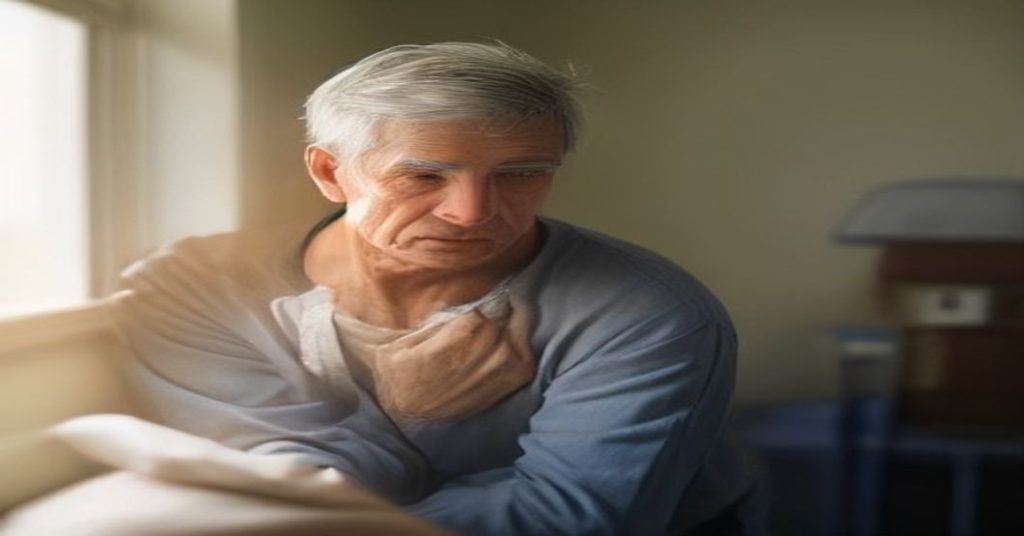

Understanding the Mental Health Impact of Prostate Cancer Treatment
A prostate cancer diagnosis and its treatment can have profound effects on mental health. While much attention focuses on physical side effects, the emotional and psychological challenges are equally important. Understanding these impacts is the first step toward effective management and maintaining quality of life throughout the cancer journey.
Research shows that approximately 20-25% of men with prostate cancer experience clinically significant depression or anxiety. These rates are higher than in the general population and can occur at any stage—from initial diagnosis through treatment and into survivorship.
Common Emotional Challenges After Diagnosis
A prostate cancer diagnosis can trigger a wide range of emotions. Understanding these responses is normal and helps in seeking appropriate support:
- Anxiety and fear: Worry about treatment outcomes, cancer recurrence, and impact on quality of life
- Depression: Feelings of sadness, hopelessness, or loss of interest in previously enjoyed activities
- Stress: From medical appointments, treatment decisions, and changes in daily routines
- Identity concerns: Changes in self-perception related to masculinity and sexual function
- Relationship strain: Tension with partners, family members, and caregivers
These emotional responses are common and normal. Many men experience them, though they may not always feel comfortable discussing them openly.
Treatment Side Effects and Mental Health
Prostate cancer treatments can significantly affect mental health, both directly through biological changes and indirectly through lifestyle impacts:
Androgen Deprivation Therapy (ADT)
ADT reduces testosterone levels, which can cause:
- Mood swings and irritability
- Depression and anxiety symptoms
- Fatigue and low energy affecting daily functioning
- Difficulty concentrating and memory changes
- Loss of interest in previously enjoyable activities
Surgery (Prostatectomy)
After surgery, men may experience:
- Adjustment difficulties with urinary incontinence
- Sexual function changes affecting self-esteem and relationships
- Body image concerns and feelings of loss
- Anxiety about cancer recurrence
Radiation Therapy
Radiation can cause:
- Fatigue affecting daily functioning and mood
- Gastrointestinal side effects impacting quality of life
- Emotional stress from prolonged treatment duration
- Skin changes causing discomfort and self-consciousness
Strategies for Managing Emotional Health
Several evidence-based strategies can help maintain mental well-being during and after prostate cancer treatment:
- Stay connected: Maintain relationships with family, friends, and support groups
- Seek professional help: Counseling or therapy can provide effective coping tools
- Physical activity: Exercise reduces anxiety and depression symptoms significantly
- Mindfulness and relaxation: Meditation, deep breathing, and yoga can reduce stress
- Education: Understanding your condition and treatment options reduces fear of the unknown
- Open communication: Talk openly with your healthcare team about emotional concerns
- Healthy lifestyle: Balanced nutrition, adequate sleep, and stress management support mental health
The Role of Support Groups
Connecting with other men who have experienced prostate cancer can be incredibly valuable. Support groups provide:
- Shared experiences and mutual understanding
- Practical advice from peers who understand
- Emotional validation and normalization of feelings
- Reduced feelings of isolation and loneliness
- Opportunities to help others, which can be empowering
Groups can be in-person or online, offering flexibility for men with mobility or scheduling challenges. Many cancer centers and organizations offer specialized groups for prostate cancer survivors.
Magnesium and Mental Health in Seniors
Emerging research suggests a connection between magnesium levels and mental health. Magnesium plays a role in regulating neurotransmitters and the stress response system. Some studies indicate that adequate magnesium may help reduce symptoms of anxiety and depression, though more research is needed specifically in cancer populations.
Mental Health Resources for Seniors
Several resources are available to support mental health during prostate cancer treatment:
- Cancer support organizations: American Cancer Society, Prostate Cancer Foundation
- Hotlines: 1-800-227-2345 (ACS), 1-866-228-4343 (PCF)
- Online communities: Smart Patients, Prostate Cancer Community
- Therapy services: Psychology Today therapist finder
- Financial assistance: CancerCare, Patient Advocate Foundation
Key Takeaways
- Prostate cancer treatment commonly affects mental health through anxiety, depression, and stress
- Treatment side effects like hormonal changes can directly impact mood and cognition
- Emotional responses to diagnosis are normal and should be addressed proactively
- Support groups and professional counseling are effective interventions
- Physical activity and mindfulness practices can significantly improve mental well-being
- Open communication with healthcare providers about emotional concerns is essential
- Mental health support should be considered as important as physical treatment
- Multiple resources are available to help men and their families cope
Frequently Asked Questions About Mental Health and Prostate Cancer
Q: How common are depression and anxiety in men with prostate cancer?
A: Research shows that approximately 15-25% of men with prostate cancer experience clinically significant depression or anxiety. These rates are higher than in the general population and can occur at any stage of the cancer journey.
Q: Can prostate cancer treatment cause depression?
A: Yes, certain treatments can contribute to depression. Androgen deprivation therapy (ADT) reduces testosterone, which can cause mood changes, fatigue, and depression. Surgery and radiation can also lead to emotional distress through side effects and lifestyle changes.
Q: When should I seek help for emotional problems?
A: Seek professional help if you experience persistent sadness, loss of interest in activities, changes in sleep or appetite, difficulty concentrating, or thoughts of self-harm lasting more than two weeks. Don’t wait—early intervention leads to better outcomes.
Q: Are there medications for depression during cancer treatment?
A: Yes, antidepressant medications can be safe and effective during prostate cancer treatment. Your oncologist and psychiatrist can work together to choose medications that won’t interfere with your cancer therapy.
Q: How can family members support a loved one with prostate cancer?
A: Family support is crucial. Ways to help include: listening without judgment, encouraging treatment adherence, attending appointments together, helping with practical tasks, maintaining open communication, and seeking support for yourself through caregiver groups or counseling.
Q: What role does exercise play in mental health during treatment?
A: Exercise is one of the most effective natural interventions for depression and anxiety. Regular physical activity can reduce treatment-related fatigue, improve mood, enhance sleep quality, and boost self-esteem. Aim for 150 minutes of moderate exercise weekly, adjusted for your ability and medical advice.
Q: Can stress management techniques help with cancer-related anxiety?
A: Yes, stress management techniques like mindfulness meditation, deep breathing exercises, progressive muscle relaxation, and yoga have been shown to reduce anxiety and improve quality of life in cancer patients. These practices can help manage treatment-related stress and improve emotional well-being.
- World Health Organization
This article was adapted from the sources above and reviewed for accuracy by the SilverWell Hub editorial team. It is for informational purposes and is not a substitute for professional medical advice, diagnosis, or treatment.