
Why Colon cancer Screening Matters
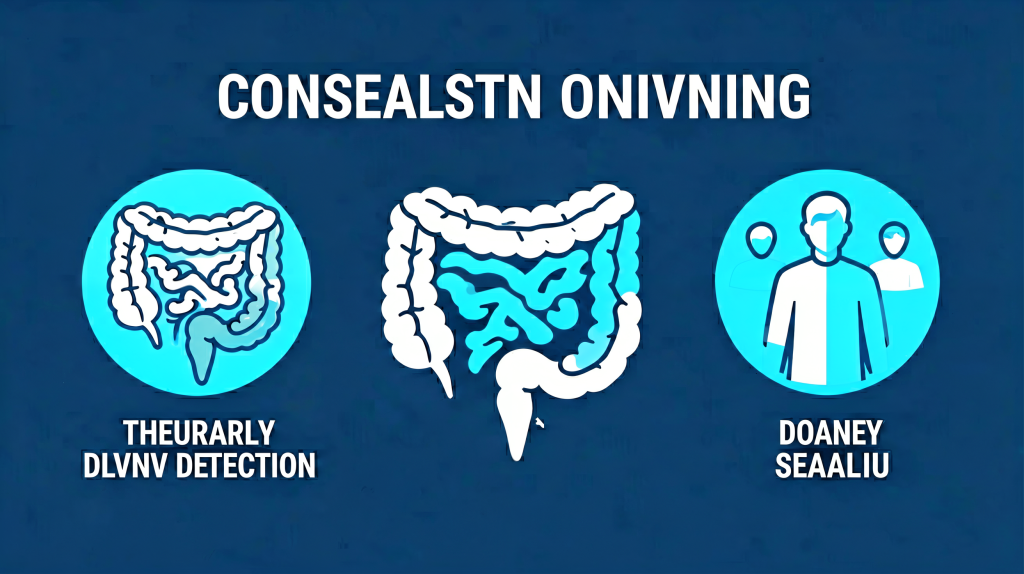
Colon cancer, also called colorectal cancer, is the third most common cancer diagnosed in both men and women in the United States. However, it’s also one of the most preventable cancers when detected early through screening.
Most colon cancers develop from polyps—small clusters of cells on the inner lining of the colon or rectum. Over time, some polyps can turn into cancer. Screening can find these polyps before they become cancerous, allowing for removal and cancer prevention.
Recommended Screening Ages
The CDC and major medical organizations recommend:
- Start at age 45: For average-risk adults
- Continue through age 75: Routine screening is recommended
- Age 76-85: Screening based on individual health status and p
Medical Disclaimer: This information is for educational purposes only and is not a substitute for professional medical advice, diagnosis, or treatment. Always consult your doctor or other qualified health provider with any questions about a medical condition.Sources & Review
- Centers for Disease Control and Prevention
This article was adapted from the sources above and reviewed for accuracy by the SilverWell Hub editorial team. It is for informational purposes and is not a substitute for professional medical advice, diagnosis, or treatment.
Related Articles
- Prostate Cancer Screening for Seniors: PSA Tests and Decisions
- Lung Cancer in Seniors: Symptoms, Screening and Prevention
- Colorectal Cancer in Seniors: Screening, Symptoms and Treatment
- Breast Cancer Screening for Seniors: Mammograms and Self-Exams
references
- After 85: Screening generally not recommended
People with higher risk (family history, inflammatory bowel disease, certain genetic syndromes) may need to start screening earlier and have more frequent tests.
Types of Screening Tests
Stool-Based Tests
- Fecal immunochemical test (FIT): Annual test detecting hidden blood in stool
- High-sensitivity guaiac-based fecal occult blood test (gFOBT): Annual test
- Multitarget stool DNA test (Cologuard): Every 3 years; combines FIT with DNA analysis
Visual/Structural Exams
- Colonoscopy: Every 10 years; most comprehensive; can remove polyps during procedure
- CT colonography (virtual colonoscopy): Every 5 years
- Sigmoidoscopy: Every 5 years with annual FIT
Preparing for Colonoscopy
Colonoscopy preparation involves:
- Changing diet 3-5 days before (clear liquids day before)
- Taking laxative solution to clean the colon
- Arranging transportation home (cannot drive after procedure)
- Discussing medications with doctor (some may need adjustment)
The procedure itself takes about 30-60 minutes and is performed under sedation. Most people return home the same day.
Risk Factors for Colon Cancer
Factors that increase risk include:
- Age over 50 (risk increases with age)
- Family history of colon cancer or polyps
- Inflammatory bowel disease (Crohn’s disease, ulcerative colitis)
- Personal history of colon polyps or cancer
- Type 2 diabetes
- Dark red meat consumption
- Processed meats
- Smoking and heavy alcohol use
- Obesity
- Physical inactivity
Frequently Asked Questions
Which screening test is best?
Colonoscopy is considered the gold standard because it can both detect and remove polyps in one procedure. However, stool-based tests are less invasive and can be done at home. Discuss options with your doctor to choose the best test for your situation.
What if I have symptoms?
If you experience rectal bleeding, changes in bowel habits, abdominal pain, or unexplained weight loss, see your doctor promptly. You may need diagnostic testing regardless of your screening schedule.
Understanding Screening Results
Understanding what your screening results mean — and what they do not mean — reduces anxiety and helps you take the right next steps.
- Normal result: No polyps or suspicious tissue found. You will be scheduled for the next routine screening, usually in one to ten years depending on the test used.
- Polyps found: Most polyps are benign (non-cancerous), but some types can turn into cancer over many years. Your doctor will remove them during the colonoscopy — this is prevention, not just detection.
- Suspicious finding: If a stool test is positive or a polyp looks abnormal, a follow-up colonoscopy is needed to look more closely and take biopsies if necessary.
- False alarms: Stool tests can occasionally be positive without cancer — this is why a positive result always leads to a colonoscopy, which provides the definitive answer.
A positive screening result is not a cancer diagnosis. The vast majority of people referred for follow-up colonoscopy after a stool test turn out not to have cancer — but the follow-up is essential to know for sure.
Key Takeaways
- Colon cancer screening starts at age 45 for average-risk adults
- Multiple screening options exist; colonoscopy is most comprehensive
- Screening can prevent colon cancer by finding and removing polyps
- Know your risk factors and family history
- Schedule screening even if you feel healthy