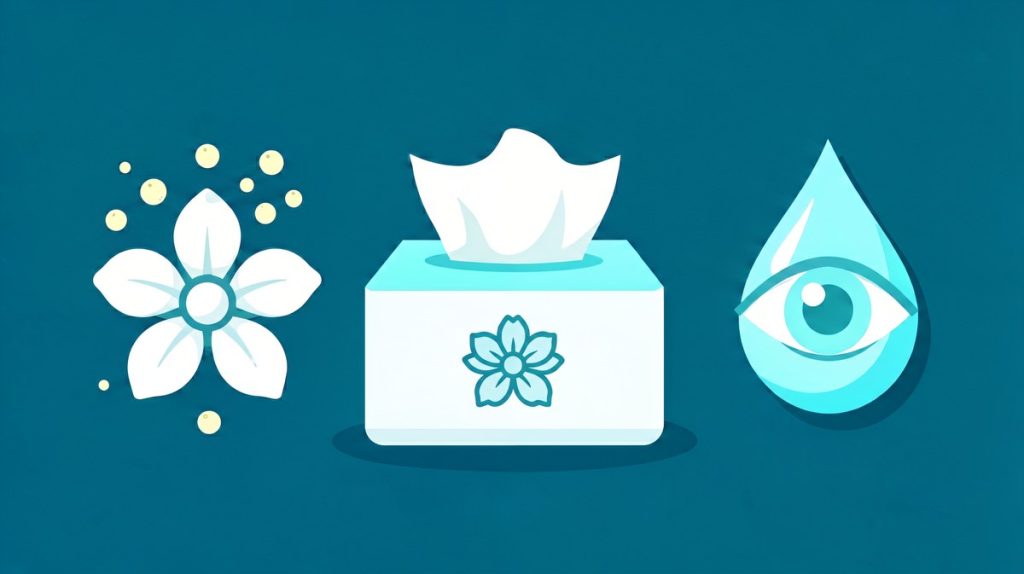

seasonal allergies, also called hay fever or allergic rhinitis, happen when the immune system overreacts to pollen from trees, grasses, and weeds. Millions of American adults deal with sneezing, a runny nose, and itchy eyes every spring, summer, and fall. Older adults can develop seasonal allergies for the first time later in life, and existing allergies can change with age. The good news is that symptoms can usually be managed well with a combination of simple prevention habits and the right treatments.
Key Takeaways
- About 25% of U.S. adults had a seasonal allergy in 2024, according to national health data.
- Pollen from trees, grasses, and weeds is the most common seasonal allergy trigger.
- Symptoms include sneezing, congestion, runny nose, and red, watery, or itchy eyes.
- Check pollen forecasts and limit time outdoors when counts are high.
- Keep windows closed, shower after being outside, and use high-efficiency air filters.
- Some allergy medicines can raise blood pressure or cause drowsiness, so check with your doctor or pharmacist.
What Are Seasonal Allergies?
Pollen is the grains or tiny seeds of flowering plants, trees, and grasses. These seeds can be carried on the wind and can cause many symptoms, or none at all, if you are exposed to them. For people with hay fever, also known as allergic rhinitis, breathing in pollen triggers an immune system response that causes allergy symptoms.
Seasonal allergies come and go with the seasons: tree pollen is common in spring, grass pollen in late spring and summer, and ragweed pollen in late summer and fall. Ragweed, a common pollen polluter, produces a billion grains per season and is a major cause of fall allergies.
📖 How Common Are Allergies?
How Common Are Allergies?
Allergies are very common. National health data for 2024 show that about 31.7% of U.S. adults had any allergy, 25.2% had a seasonal allergy, 7.7% had eczema, and 6.7% had a food allergy. Allergic rhinitis is also a frequent reason for medical visits, with about 4.1 million physician office visits each year listing allergic rhinitis as the primary diagnosis. Experts note that climate change is lengthening pollen seasons and increasing the amount of pollen in the air, which can raise your exposure and your risk of allergy and asthma symptoms.
📖 What Are the Symptoms of Seasonal Allergies?
Symptoms of Seasonal Allergies
If you have hay fever, breathing in pollen can cause:
- Sneezing.
- Congestion or a stuffy nose.
- A runny nose.
- Post-nasal drip and a scratchy throat or cough.
Pollen exposure can also result in allergic conjunctivitis, which causes red eyes, watery eyes, and itchy eyes. If you have asthma and pollen is one of your triggers, pollen exposure can also cause asthma attacks, so it is important to keep taking your asthma medicine as prescribed. Allergy symptoms often last for weeks or months during the pollen season, while a cold usually clears up within one to two weeks and may include a fever. Allergy medicines help with symptoms; cold medicines do not treat allergies.
📖 Why Seasonal Allergies Matter for Seniors?
Why Seasonal Allergies Matter for Seniors
Older adults can develop new allergies at any age, and aging changes in the immune system and the eyes can make symptoms more noticeable. Many seniors take medications for blood pressure, heart conditions, or other health problems, and some allergy treatments can interact with those medicines. Decongestants can raise blood pressure, and older antihistamines can cause drowsiness, which increases the risk of falls.
For these reasons, it is important to review allergy treatment choices with a doctor or pharmacist, especially if you have heart disease, high blood pressure, glaucoma, or an enlarged prostate.
📖 How to Reduce Pollen Exposure?
How to Reduce Pollen Exposure
If you are allergic to pollen, or if you have asthma, you can take steps to protect yourself:
- Check pollen forecasts and limit outdoor time during high levels, especially in the morning on warm, dry, windy days.
- Take your allergy and asthma medicine as prescribed by your health care provider.
- Do not touch your eyes outside, and wash your hands before touching your eyes indoors.
- Shower after being outside to remove pollen from your skin and hair.
- Change your clothes after being outdoors.
- Keep windows closed during pollen season and use air conditioning when possible.
- Use high-efficiency filters in your home’s heating, ventilation, and air conditioning system, and change them regularly.
📖 What Are the Treatment Options for Seasonal Allergies?
Treatment Options for Seasonal Allergies
Several treatments can relieve allergy symptoms. Non-drowsy (second-generation) oral antihistamines are usually preferred for older adults because they are less likely to cause sedation. Intranasal corticosteroid sprays reduce nasal inflammation and are often the most effective option for congestion.
Saline nasal rinses can wash pollen out of the nose. Decongestants can relieve stuffiness but may raise blood pressure, so use them only with medical advice. For people with severe or persistent allergies, a doctor may recommend immunotherapy, such as allergy shots or tablets, which can reduce sensitivity over time.
If symptoms interfere with daily life, do not improve with over-the-counter products, or include wheezing or shortness of breath, see a doctor.
📖 What Are Frequently Asked Questions?
Frequently Asked Questions
Can seniors develop allergies for the first time? Yes. Allergies can appear at any age, including after 60, because the immune system can begin reacting to pollens that never bothered you before.
How can I tell allergies from a cold? Allergies last for weeks or months, do not cause fever, and respond to allergy medicines. Colds usually clear up in one to two weeks and may include fever and body aches.
Are allergy shots safe for older adults? Immunotherapy can be appropriate for seniors, but your doctor will consider your overall health and other conditions before recommending it.
What should I do if allergy symptoms include shortness of breath? Shortness of breath or wheezing can signal asthma and needs prompt medical attention.
Centers for Disease Control and Prevention, National Center for Health Statistics
This general health information is provided for educational purposes and does not replace professional medical care. Always consult your doctor with questions about your health.