
What Are the Common Causes and Risk Factors?
Agoraphobia is a type of anxiety disorder. The exact cause of agoraphobia is unknown. Agoraphobia sometimes occurs when a person has had a panic attack and begins to fear situations that might lead to another panic attack.
What Are the Symptoms and Warning Signs?
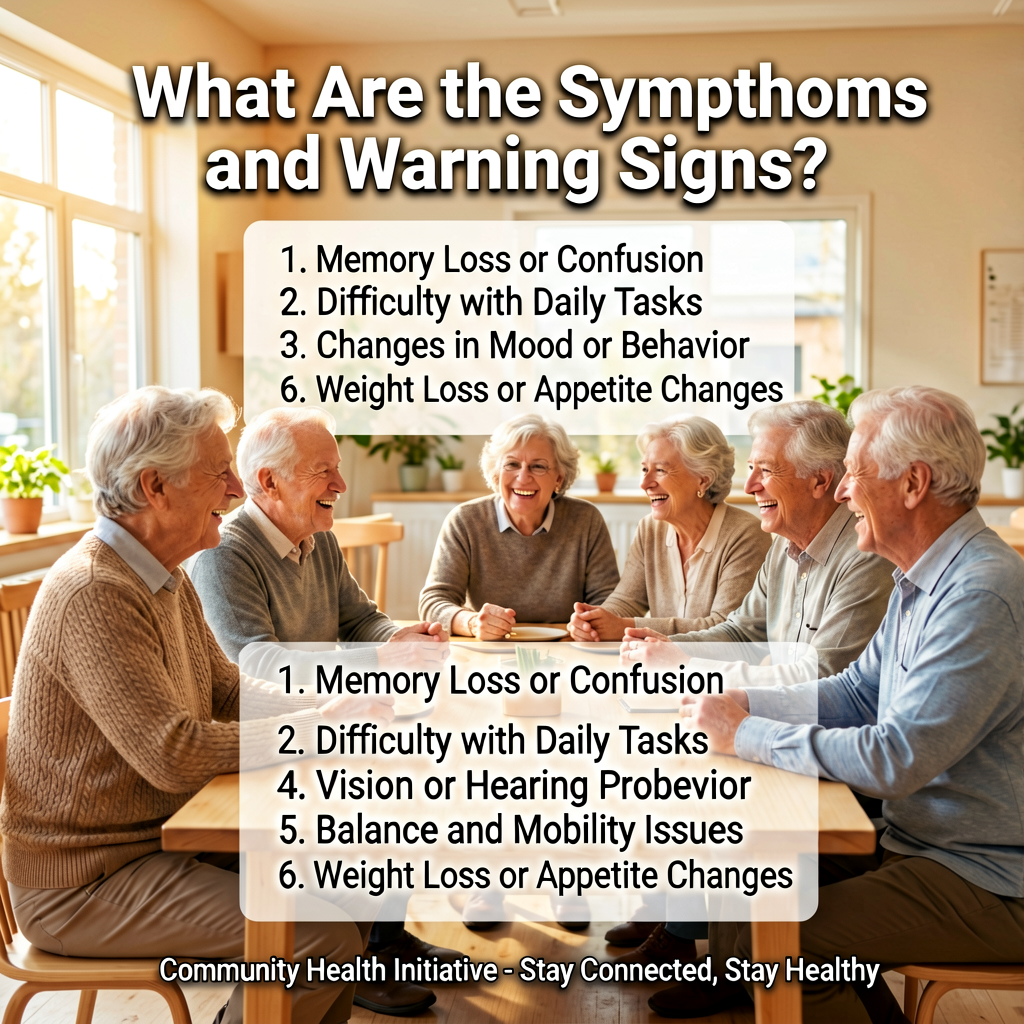
With agoraphobia, you avoid places or situations because you do not feel safe in public places. The fear is worse when the place is crowded.
Symptoms of agoraphobia include:
- Being afraid of spending time alone
- Being afraid of places where escape might be hard
- Being afraid of losing control in a public place
- Depending on others
- Feeling detached or separated from others
- Feeling helpless
- Feeling that the body is not real
- Feeling that the environment is not real
-
Having an unusual temper or
agitation - Staying in the house for long periods
Physical symptoms can include:
- Chest pain
or discomfort - Choking
- Dizziness or fainting
- Nausea or other stomach distress
- Racing heart
- Short of breath
- Sweating
- Trembling
📖 What Are Exams and Tests?
What Are Exams and Tests?
Your health care provider will look at your history of agoraphobia and will get a description of the behavior from you, your family, or friends.
📖 How Is It Treated?
How Is It Treated?
The goal of treatment is to help you feel and function better. The success of treatment usually depends in part on how severe the agoraphobia is. Treatment most often combines talk therapy with a medicine. Certain medicines, often also used to treat depression, may be helpful for this disorder. They work by preventing your symptoms or making them less severe. You must take these medicines every day. Do not stop taking them or change the dosage without talking with your provider.
- Selective serotonin reuptake inhibitors (SSRIs) are most often the first choice of antidepressant.
- Serotonin-norepinephrine reuptake inhibitors (SNRIs) are another choice.
Other medicines used to treat depression or medicines used to treat seizures may also be tried.
Medicines called sedatives or hypnotics may also be prescribed.
- These medicines should only be taken under your provider’s direction.
- Your provider will prescribe a limited amount of these medicines. They should not to be used every day.
- They may be used when symptoms become very severe or when you are about to be exposed to something that always brings on your symptoms.
Cognitive-behavioral therapy (CBT) is a type of talk therapy. It typically involves 10 to 20 visits with a mental health professional over several weeks or longer. CBT helps you change the thoughts that cause your condition. It may involve:
- Understanding and controlling distorted feelings or views of stressful events or situations
- Learning stress management and relaxation techniques
- Relaxing, then imagining the things that cause the anxiety, working from the least fearful to the most fearful (called systematic desensitization and exposure therapy)
You may also be slowly exposed to the real-life situation that causes the fear to help you overcome it.
A healthy lifestyle that includes exercise, getting enough rest, and good nutrition can also be helpful.
📖 What Are Support Groups?
What Are Support Groups?
You can ease the stress of having agoraphobia by joining a support group. Sharing with others who have common experiences and problems can help you not feel alone.
Support groups are usually not a good substitute for talk therapy or taking medicine, but can be a helpful addition.
See below for more information and support for people with agoraphobia:
Anxiety and Depression Association of America —
📖 What Is Outlook (Prognosis)?
What Is Outlook (Prognosis)?
Most people can get better with medicines and CBT. Without early and effective help, the disorder may become harder to treat.
📖 What Are Possible Complications?
What Are Possible Complications?
Some people with agoraphobia may:
- Use alcohol or other substances while trying to self-medicate.
- Be unable to function at work or in social situations.
- Feel isolated, lonely, depressed, or suicidal.
📖 When to Contact a Medical Professional?
When to Contact a Medical Professional?
Contact your provider to make an appointment if you have symptoms of agoraphobia.
If you or someone you know is thinking about suicide, call or text 988 or chat 988lifeline.org . You can also call 1-800-273-8255 (1-800-273-TALK). The 988 Suicide and Crisis Lifeline provides free and confidential support 24/7, anytime day or night.
You can also call 911 or the local emergency number or go to the hospital emergency room. DO NOT delay.
If someone you know has attempted suicide, call 911 or the local emergency number right away. DO NOT leave the person alone, even after you have called for help.
📖 How Is It Prevented?
How Is It Prevented?
Early treatment of panic disorder can often prevent agoraphobia.
Anxiety disorder – agoraphobia
-
 Panic disorder with agoraphobia
 Panic disorder with agoraphobia
American Psychiatric Association website. Anxiety disorders.
Diagnostic and Statistical Manual of Mental Disorders . 5th ed. Text Revision (DSM-5-TR), Washington, DC: American Psychiatric Association Publishing; 2022.
Gehl C, Paulsen JS. Behavior and personality disturbances. In: Jankovic J, Mazziotta JC, Pomeroy SL, Newman NJ, eds.
Bradley and Daroff’s Neurology in Clinical Practice . 8th ed. Philadelphia, PA: Elsevier; 2022:chap 9.
Lyness JM, Lee HB. Psychiatric disorders in medical practice. In: Goldman L, Cooney KA, eds.
Goldman-Cecil Medicine . 27th ed. Philadelphia, PA: Elsevier; 2024:chap 362.
National Institute of Mental Health website. Anxiety disorders.
www.nimh.nih.gov/health/topics/anxiety-disorders . Updated April 2024. Accessed May 21, 2024.
Updated by: Fred K. Berger, MD, addiction and forensic psychiatrist, Scripps Memorial Hospital, La Jolla, CA. Also reviewed by David C. Dugdale, MD, Medical Director, Brenda Conaway, Editorial Director, and the A.D.A.M. Editorial team.
- Panic Disorder
- Phobias
Frequently Asked Questions
Key Takeaways
What Are the Common Causes and Risk Factors?
What Are the Symptoms and Warning Signs?
Being afraid of spending time alone Being afraid of places where escape might be hard Being afraid of losing control in a public place Depending on others Feeling detached or separated from others Feeling helpless Feeling that the body is not real Feeling that the environment is not real Having an unusual temper or agitation Staying in the house for long periods Physical symptoms can include:
Chest pain or discomfort Choking Dizziness or fainting Nausea or other stomach distress Racing heart Short of breath Sweating Trembling 📖 What Are Exams and Tests?
What Are Exams and Tests?
How Is It Treated?
About the Author: This article was researched and written by the SilverWell Hub editorial team. It was reviewed by the SilverWell Hub editorial team.
Sources: This article is adapted from MedlinePlus, a service of the National Library of Medicine.
Disclaimer: This information is for educational purposes only. See our full Medical Disclaimer.
Published: July 21, 2026