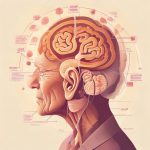

Understanding subarachnoid hemorrhage (SAH) is important for seniors and their caregivers. This is a serious medical emergency where bleeding occurs in the space between the brain and the thin tissues that cover it — an area called the subarachnoid space. Quick medical attention can save lives.
What Causes Subarachnoid Hemorrhage?
Several things can lead to bleeding in the subarachnoid space. For older adults, the most common causes include:
- Falls and head injuries — In seniors, falls are a leading cause of this type of bleeding
- Ruptured brain aneurysm — A weak, bulging spot on a blood vessel wall that bursts
- Arteriovenous malformation (AVM) — A tangle of abnormal blood vessels
- High blood pressure — Uncontrolled hypertension puts stress on blood vessel walls
- Blood-thinning medications — Such as warfarin, apixaban, or rivaroxaban
- Bleeding disorders
- Smoking
Risk factors that are especially important for seniors include having an unruptured brain aneurysm, a family history of aneurysms, fibromuscular dysplasia, polycystic kidney disease, and use of illicit drugs such as cocaine or methamphetamine.
Warning Signs: What to Watch For
The main symptom is a sudden, severe headache — often described as the “worst headache of your life.” This is called a thunderclap headache. It comes on very quickly and is often worse at the back of the head. Some people report feeling or hearing a “pop” inside their head when it happens.
Other warning signs include:
- Nausea and vomiting
- Stiff neck
- Sensitivity to light (photophobia)
- Confusion or personality changes
- Drowsiness or decreased alertness
- Vision problems, including double vision or temporary vision loss
- Seizures
- Neck or shoulder pain
- Drooping eyelid or uneven pupil size
If you or a loved one experiences a sudden, severe headache along with any of these symptoms, call 911 immediately. Every minute counts.
How Doctors Diagnose It
When you arrive at the hospital, doctors will perform several tests to check for bleeding in the brain:
- CT scan — Usually the first test; it can quickly show if there is bleeding
- Lumbar puncture (spinal tap) — If the CT scan is normal but symptoms suggest bleeding
- Cerebral angiography — A detailed look at the brain’s blood vessels
- CT or MRI angiography — Uses contrast dye to see blood flow
- Blood tests — To check for bleeding disorders
Treatment Options
Subarachnoid hemorrhage requires immediate hospital care. The treatment goals are to save your life, stop the bleeding, relieve symptoms, and prevent complications.
Surgical options include:
- Aneurysm clipping — A surgeon places a small clip at the base of the aneurysm to stop blood flow into it
- Endovascular coiling — Thin coils are inserted into the aneurysm through a catheter, causing a blood clot that seals it off
Non-surgical care includes:
- Strict bed rest to avoid increasing pressure in the head
- Medications to control blood pressure and prevent artery spasms
- Pain relievers and anti-anxiety medicines
- Stool softeners to prevent straining during bowel movements
- Seizure prevention medications
- A tube placed in the brain to drain excess fluid and relieve pressure
If the person is conscious, they will be told to avoid bending over, straining, or suddenly changing positions — anything that could increase pressure inside the head.
Recovery and Outlook
Recovery depends on several factors, including the amount and location of bleeding, the person’s age, and overall health before the event. Older age and more severe symptoms can lead to a longer recovery. Some people recover fully, while others may have lasting effects.
The most serious complication is re-bleeding. If an aneurysm bleeds a second time, the outlook is much worse. Other complications include stroke, seizures, brain damage, and complications from surgery.
Prevention Tips for Seniors
While not all cases can be prevented, you can reduce your risk:
- Control your blood pressure — Have it checked regularly and follow your doctor’s treatment plan
- Stop smoking — Smoking weakens blood vessel walls
- Be careful with blood thinners — Take them exactly as prescribed and report any unusual symptoms
- Prevent falls — Use grab bars, remove tripping hazards, and improve lighting in your home
- Know your family history — A family history of aneurysms increases your risk
📖
Medical Disclaimer: This information is for educational purposes only and is not a substitute for professional medical advice, diagnosis, or treatment. Always consult your doctor or other qualified health provider with any questions about a medical condition.
Related Articles
- Colorectal Cancer in Seniors: Screening, Symptoms and Treatment
- Pneumonia in Seniors: Causes, Prevention and Treatment
- Chronic Fatigue Syndrome in Seniors: Coping and Energy Management
- Crohn Disease in Seniors: Symptoms, Diet and Management
References
Chaturvedi S, Selim M. Hemorrhagic cerebrovascular disease. In: Goldman L, Cooney KA, eds. Goldman-Cecil Medicine. 27th ed. Philadelphia, PA: Elsevier; 2024:chap 377.
Szeder V, Tateshima S, Jahan R, Saver JL, Duckwiler GR. Intracranial aneurysms and subarachnoid hemorrhage. In: Jankovic J, Mazziotta JC, Pomeroy SL, Newman NJ, eds. Bradley and Daroff’s Neurology in Clinical Practice. 8th ed. Philadelphia, PA: Elsevier; 2022:chap 67.
📖 Review Date 2/11/2025
Updated by: Joseph V. Campellone, MD, Department of Neurology, Cooper Medical School at Rowan University, Camden, NJ. Review provided by VeriMed Healthcare Network. Also reviewed by David C. Dugdale, MD, Medical Director, Brenda Conaway, Editorial Director, and the A.D.A.M. Editorial team.
📖 Alternative Names
Subarachnoid bleeding; Hemorrhage – subarachnoid
This article draws on public health information from the National Library of Medicine (MedlinePlus) and the Centers for Disease Control and Prevention, and was reviewed for accuracy by the SilverWell Hub editorial team. It is for informational purposes only.