
What Is Diverticulitis?
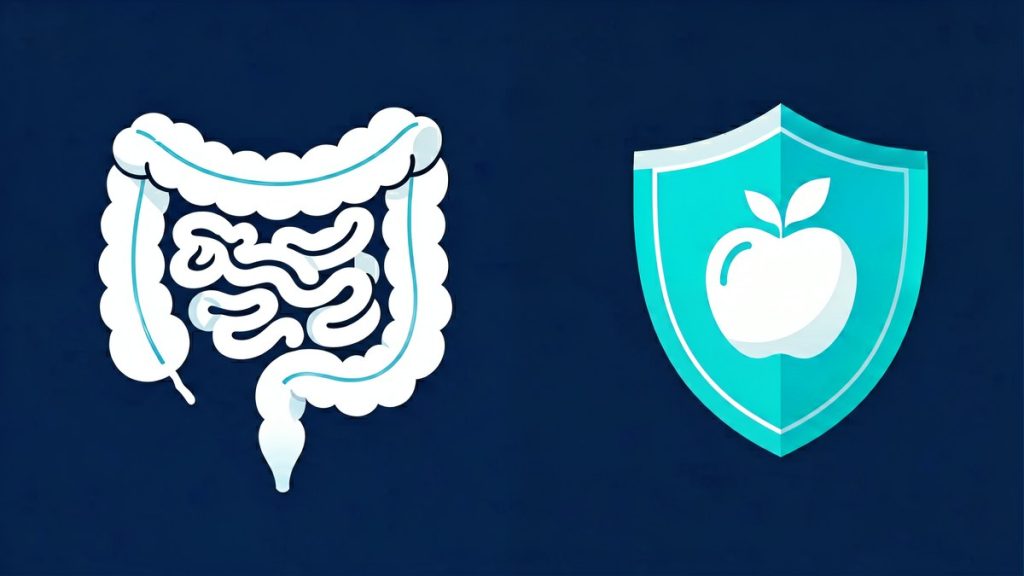
Diverticulitis is a condition that affects the large intestine, or colon. Many older adults develop small pouches, called diverticula, that bulge outward through weak spots in the colon wall. This condition, called diverticulosis, is common with age and usually causes no symptoms at all. When one of these pouches becomes inflamed or infected, it is called diverticulitis.
Diverticulitis can cause abdominal pain, fever, and changes in bowel habits, and it can range from a mild episode treated at home to a serious infection requiring hospital care. Knowing the symptoms and understanding how diet and treatment work can help seniors manage the condition and reduce the chance of repeat episodes.
How Common Is It in Older Adults?
Diverticulosis becomes more common as people age. Roughly half of adults over the age of 60 have diverticula, and the prevalence continues to rise with each decade of life. Most people with diverticulosis never develop diverticulitis; estimates suggest that only about four to five percent of people with diverticulosis go on to have an episode of diverticulitis. Still, because diverticulosis is so common, diverticulitis is a frequent reason for abdominal pain and hospital visits among seniors.
Symptoms of Diverticulitis
Symptoms can come on suddenly and range from mild to severe. Common signs include:
- Pain in the lower left side of the abdomen, which is the most typical location.
- Abdominal tenderness or cramping.
- Fever and chills.
- Nausea and vomiting.
- Constipation or, less commonly, diarrhea.
- Bloating and gas.
- Changes in bowel habits.
Severe symptoms that need urgent care include intense abdominal pain that does not go away, high fever, vomiting, an inability to pass gas or stool, or blood in the stool. These can signal a serious complication such as an abscess, a perforation, or a blockage.
What Causes Diverticulitis?
The exact cause is not fully understood, but the process usually begins when stool becomes trapped inside a diverticulum, allowing bacteria to multiply and causing inflammation or infection. Several factors may increase the risk:
- A diet low in fiber, which can lead to constipation and higher pressure inside the colon.
- Obesity and lack of physical activity.
- Smoking.
- Certain medications, including nonsteroidal anti-inflammatory drugs, or NSAIDs, and steroids.
- Age, since the colon wall weakens over time.
Older theories once advised avoiding nuts, seeds, and popcorn to prevent diverticulitis, but current research has not confirmed that these foods cause problems. The best prevention advice centers on a high-fiber diet, regular activity, and avoiding NSAIDs.
How Diverticulitis Is Diagnosed
A doctor will start with a medical history and physical exam, and may order blood tests to look for signs of infection. A CT scan of the abdomen is the most common imaging test used to confirm diverticulitis and check for complications. Depending on the situation, a doctor may also recommend other tests, such as a colonoscopy later on, after the inflammation has healed, to rule out other conditions. If you have abdominal pain, do not wait to see a provider, since prompt evaluation can prevent complications.
Treatment for Mild Diverticulitis
Many episodes of diverticulitis are mild and can be managed at home with guidance from a health care provider. Treatment may include:
- Antibiotics to treat the infection, when prescribed.
- A clear liquid diet for a short time to give the colon a rest.
- Gradually adding soft, low-fiber foods as symptoms improve.
- Pain relievers such as acetaminophen, avoiding NSAIDs.
- Plenty of fluids and rest.
Mild cases usually improve within a few days to a week. Follow your provider’s instructions closely and seek care if symptoms worsen or new symptoms appear.
Treatment for Severe Diverticulitis
Severe diverticulitis, or cases with complications, usually requires hospital care. In the hospital, treatment may include intravenous antibiotics and fluids, pain management, and a temporary diet of clear liquids or nothing by mouth. Some people need a procedure to drain an abscess, and a smaller number require surgery to remove the affected part of the colon. Surgery may also be recommended for people who have repeated episodes or a complication such as a fistula or blockage.
Recovery and Returning to Normal Eating
As symptoms improve, most people can gradually return to a normal diet. The traditional advice was to stay on a low-fiber diet during recovery, then move to a high-fiber diet for prevention. Some newer guidance allows more flexibility, so follow your provider’s specific recommendations. Drink plenty of water, eat meals on a regular schedule, and keep a food diary if certain foods seem to trigger discomfort.
Preventing Future Episodes
For people who have had diverticulitis, these habits may reduce the chance of recurrence:
- Eat a high-fiber diet with plenty of fruits, vegetables, whole grains, and legumes.
- Drink enough fluids to keep fiber moving through the digestive tract.
- Exercise regularly, which supports healthy bowel function.
- Maintain a healthy weight.
- Avoid smoking.
- Limit NSAIDs such as ibuprofen and naproxen, and talk with your provider about alternatives.
Fiber should be increased gradually to avoid bloating and gas. A sudden jump in fiber can be uncomfortable, so add a serving every few days.
Frequently Asked Questions
Are nuts and seeds dangerous with diverticulitis?
Current research does not support the old warning that nuts, seeds, and popcorn cause diverticulitis. Most experts no longer recommend avoiding them, but every person is different, so pay attention to what your body tolerates.
Is diverticulitis an emergency?
Not always, but it can be. Mild cases are treated at home, while severe pain, high fever, vomiting, or inability to pass stool require urgent medical care.
Can diverticulitis come back?
Yes. After one episode, the risk of another is higher. A high-fiber diet, exercise, and avoiding NSAIDs may help reduce the risk.
Do I need surgery?
Most people with diverticulitis do not need surgery. It is reserved for complications, repeated episodes, or people with weakened immune systems. Your surgeon will discuss the risks and benefits if surgery is recommended.
Key Takeaways
- Diverticulitis is inflammation or infection of pouches in the colon wall.
- It is common with age, but only a small share of people with diverticulosis develop it.
- Typical symptoms are lower-left abdominal pain, fever, and bowel changes.
- Mild cases are treated at home with antibiotics, liquids, and rest.
- Severe cases may need hospital care, drainage, or surgery.
- A high-fiber diet, fluids, exercise, and avoiding NSAIDs help prevent recurrence.
- World Health Organization
This article was adapted from the sources above and reviewed for accuracy by the SilverWell Hub editorial team. It is for informational purposes and is not a substitute for professional medical advice, diagnosis, or treatment.