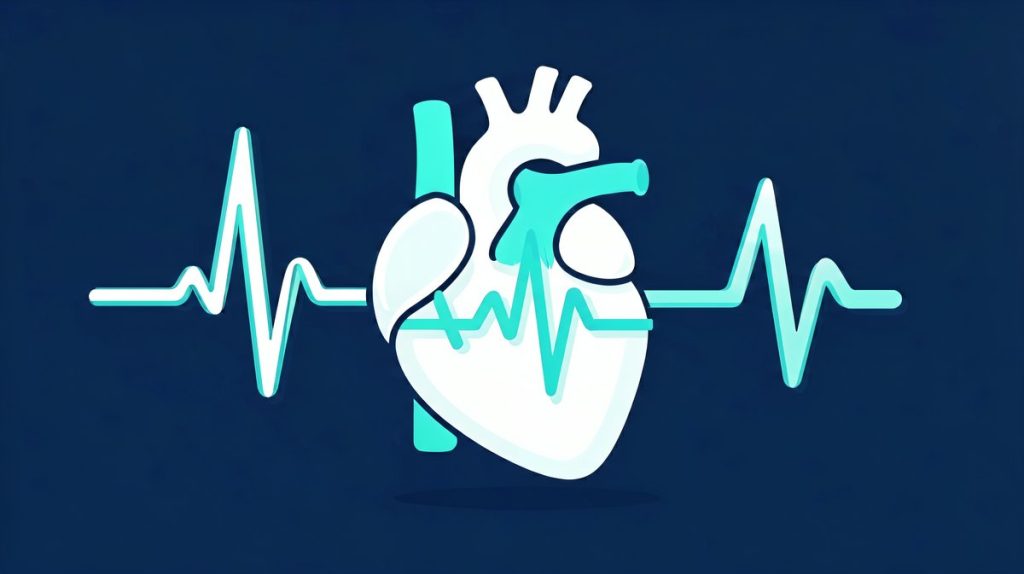

Understanding atrial fibrillation seniors is important for seniors and their caregivers. atrial fibrillation, often called AFib, is the most common type of treated heart arrhythmia. It is an irregular and often very rapid heart rhythm that can lead to blood clots in the heart, stroke, heart failure, and other complications. The Centers for Disease Control and Prevention notes that AFib becomes more common with age and millions of American adults live with the condition.
What Are Key Takeaways?
- Atrial fibrillation is an irregular, often rapid heart rhythm that raises stroke risk.
- AFib becomes more common with age and affects millions of American adults.
- A blood clot from AFib can travel to the brain and cause a stroke.
- Symptoms may include heart palpitations, shortness of breath, and fatigue.
- Management includes medicines to control heart rate and prevent clots.
- Some people need a procedure or surgery to correct the abnormal rhythm.
What Is Atrial Fibrillation?
Atrial fibrillation is a heart condition in which the upper chambers of the heart, called the atria, beat irregularly and often too fast. Normally, electrical signals cause the heart to pump in a coordinated rhythm, but in AFib these signals are disrupted causing a fast, irregular heartbeat. AFib is the most common type of treated heart arrhythmia and its risk increases with age making it an important concern for older adults.
📖 How Common Is AFib?
How Common Is AFib?
The CDC estimates that millions of American adults have atrial fibrillation, and the condition becomes more common with age especially after age 65. Because many people do not have symptoms AFib is often discovered during a routine physical exam or after a stroke or other complication. As the older population grows the number of people living with AFib is expected to increase.
📖 Why AFib Raises Stroke Risk?
Why AFib Raises Stroke Risk?
The main danger of atrial fibrillation is the formation of blood clots inside the heart particularly in the left atrium which can break loose travel through the bloodstream and block blood flow to the brain causing a stroke. In fact AFib is a major cause of stroke and it raises the risk five times or more. Controlling AFib through medication and other treatments greatly reduces this stroke risk.
📖 What Is Signs and Symptoms of AFib?
What Is Signs and Symptoms of AFib?
Some people with AFib have no symptoms while others notice:
- Heart palpitations, or a feeling of a racing fluttering or irregular heartbeat.
- Shortness of breath especially with activity.
- Fatigue weakness or reduced ability to exercise.
- Chest pain pressure or discomfort.
- Dizziness lightheadedness or fainting.
- Confusion especially in older adults when the brain does not get enough blood.
📖 What Causes AFib?
What Causes AFib?
Risk factors for atrial fibrillation include advanced age high blood pressure heart disease obesity diabetes and a history of heart attack or heart surgery. Drinking large amounts of alcohol sleep apnea and an overactive thyroid can also raise the risk. Managing these underlying conditions helps lower the chance of developing AFib and its complications.
📖 How Is AFib Diagnosed?
How Is AFib Diagnosed?
A doctor can often diagnose atrial fibrillation by taking a medical history listening to the heart and using an electrocardiogram (ECG or EKG) which records the heart’s electrical activity. Because AFib can come and go a doctor may ask you to wear a portable heart monitor called a Holter monitor for a day or more to catch the abnormal rhythm. Blood tests chest X-rays and other tests help rule out other causes.
📖 What Is Treatment and Management?
What Is Treatment and Management?
Treatment for atrial fibrillation focuses on restoring a normal heart rhythm controlling the heart rate and preventing blood clots to reduce stroke risk. Doctors may prescribe medicines called anticoagulants or blood thinners to prevent clots plus medicines to slow the heart rate or correct the rhythm. Some people need a procedure called cardioversion which uses an electric shock or a treatment called ablation which destroys the tissue causing the abnormal rhythm. In some cases surgery is an option.
📖 How to Manage AFib?
How to Manage AFib?
Many older adults with atrial fibrillation live full active lives with proper treatment and follow-up. It is important to take medicines exactly as prescribed attend regular appointments and manage other conditions such as high blood pressure diabetes and sleep apnea. Healthy habits including a heart-healthy diet regular physical activity quitting smoking and limiting alcohol support better outcomes. Learn the signs of stroke such as sudden weakness facial drooping or difficulty speaking and seek emergency care right away because AFib increases stroke risk.
📖 What Are Frequently Asked Questions?
What Are Frequently Asked Questions?
What is atrial fibrillation? It is an irregular often rapid heart rhythm that can lead to blood clots stroke and heart failure.Skip Does AFib raise stroke risk? Yes AFib raises the risk of stroke often five times or more because clots can travel to the brain.Skip Can AFib be treated? Yes medicines procedures and lifestyle changes effectively control AFib and lower stroke risk.Skip Is AFib common in older adults? Yes AFib becomes more common with age especially after age 65 and affects millions of American adults.Skip
Centers for Disease Control and Prevention
This general health information is provided for educational purposes and does not replace professional medical care. Always consult your doctor with questions about your health.