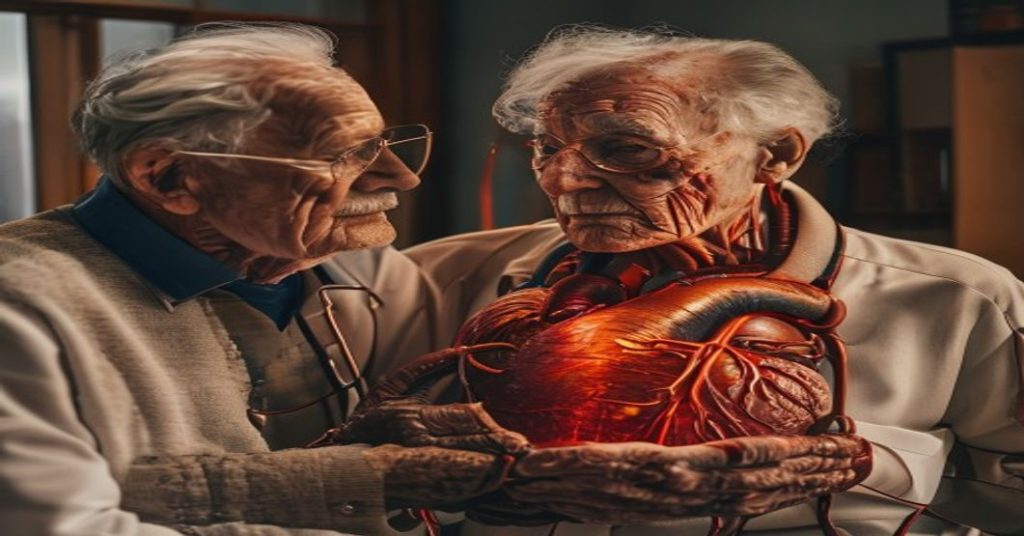
Understanding aging changes heart blood vessels is important for seniors and their caregivers. some changes in the heart and blood vessels normally occur with age. If not treated, these can lead to heart disease.
BACKGROUND
The heart has two sides. nonetheless, many other changes that are common with aging are due to or worsened by modifiable factors. The left side pumps oxygen-rich blood to the body.
Blood flows out of the heart, first through the aorta, and then through arteries, which branch out and get smaller and smaller as they go into the tissues. The right side pumps blood to the lungs to receive oxygen and get rid of carbon dioxide. Then, the vessels begin to collect together into larger and larger veins, which return blood to the heart.
AGING CHANGES
Heart:
– The heart has a natural pacemaker system that controls the heartbeat. In the tissues, they become tiny capillaries.
Capillaries are where the blood gives up (releases) oxygen and nutrients to the tissues, and receives carbon dioxide and wastes back from the tissues. The natural pacemaker (the sinoatrial or SA node) loses some of its cells. Some of the pathways of this system may develop fibrous tissue and fat deposits. – A slight increase in the size of the heart, especially the left ventricle occurs in some people.
These changes may result in a slightly slowerheart rate. The heart may fill more slowly. The heart wall thickens, so the amount of blood that the chamber can hold may actually decrease despite the higher overall heart size.
Abnormal rhythms (arrhythmias), such asatrial fibrillation, are more common in older people. – Heart changes often cause the electrocardiogram (ECG) of a normal, healthy older person to be slightly different than the ECG of a healthy younger adult. – Normal changes in the heart include deposits of the “aging pigment,”lipofuscin. They may be caused by several types of heart disease. The valves inside the heart, which control the direction of blood flow, thicken and become stiffer.
The heart muscle cells degenerate slightly.
Blood vessels:
– Receptors called baroreceptors monitor the blood pressure and make changes to help keep a fairly constant blood pressure when a person changes positions or is doing other activities. A heart murmur caused by valve stiffness is fairly common in older people. This may explain why many older people have orthostatic hypotension, a condition in which the blood pressure falls when a person goes from lying or sitting to standing.
The baroreceptors become less sensitive with aging. – The capillary walls thicken slightly. This causes dizziness because there is less blood flow to the brain. – The main artery from the heart (aorta) becomes thicker, stiffer, and less flexible. This may cause a slightly slower rate of exchange of nutrients and wastes.
This makes the blood pressure higher and makes the heart work harder, which may lead to thickening of the heart muscle (hypertrophy). This is probably related to changes in the connective tissue of the blood vessel wall. In general, most older people have a moderate increase in blood pressure.
The other arteries also thicken and stiffen. Normal aging causes a reduction in total body water.
Blood:
– The blood itself changes slightly with age. – The speed with which red blood cells are produced in response to stress or illness is reduced. As part of this, there is less fluid in the bloodstream, so blood volume decreases. – Most of the white blood cells stay at the same levels, although certain white blood cells essential to immunity (neutrophils) decrease in their number and ability to fight off bacteria. This creates a slower response to blood loss and anemia.
EFFECT OF CHANGES
Normally, the heart continues to pump enough blood to supply all parts of the body. This reduces the ability to resist infection. – Abnormal heart rhythms (arrhythmias) of various types can occur. nonetheless, an older heart may not be able to pump blood as well when you make it work harder.
Some of the things that make your heart work harder are:
– Certain medicines
– Emotional stress
– Physical exertion
– Illness
– Infections
– Injuries
– Caffeine and other stimulants in the diet
COMMON PROBLEMS
– Angina(chest pain caused by temporarily reduced blood flow to the heart muscle), shortness of breath with exertion, andheart attackcan result from coronary artery disease. – Atherosclerosis(hardening of the arteries) is very common. – Anemiamay occur, possibly related to malnutrition, chronic infections, blood loss from the gastrointestinal tract, or as a complication of other diseases or medicines. – Congestiveheart failureis also very common in older people.
Fatty plaque deposits inside the blood vessels cause them to narrow and may totally block blood vessels. – Coronary artery diseaseis fairly common. In people older than 75, congestive heart failure occurs 10 times more often than in younger adults. – High blood pressure and orthostatic hypotension are more common with older age. It is usually a result of atherosclerosis.
This is because too much medicine may cause low blood pressure and could lead to a fall. Older people on blood pressure medicines need to work with their health care provider to find the best way to manage their high blood pressure. – Transient ischemic attacks (TIA) or strokes can occur if blood flow to the brain is disrupted. – Heart valve diseases are fairly common.Aortic stenosis, or narrowing of the aortic valve, is the most common valve disease in older adults.
Aneurysms are an abnormal widening or ballooning of a part of an artery due to weakness in the wall of the blood vessel.
Other problems with the heart and blood vessels include the following:
– Blood clots
– Deep vein thrombosis
– Thrombophlebitis
– Peripheral vascular disease, resulting in intermittent pain in the legs when walking (claudication)
– Varicose veins
– Aneurysmsmay develop in one of the major arteries from the heart or in the brain.
PREVENTION
– You can help your circulatory system (heart and blood vessels). If an aneurysm bursts it may cause bleeding and death. – Eat a heart-healthy diet with reduced amounts of saturated fat and cholesterol, and control your weight. Heart disease risk factors that you have some control over include high blood pressure, cholesterol levels, diabetes, obesity, and smoking. Reduce or stop smoking. Follow your provider’s recommendations for treating high blood pressure,high cholesterolor diabetes.
Get more exercise:
– Exercise may help prevent obesity, and it helps people with diabetes control their blood sugar. – Men age 65 to 75 years who have ever smoked should be screened for aneurysms in their abdominal aorta usually with an ultrasound exam. – Moderate exercise is one of the best things you can do to keep your heart, and the rest of your body, healthy. – Exercise may help you keep your abilities as much as possible, and it reduces stress.
Exercise moderately and within your capabilities, but do it regularly. Consult with your provider before beginning a new exercise program. They also tend to have fewer blood pressure problems and less heart disease. – People who exercise often have less body fat and smoke less than people who do not exercise.
If you have diabetes, heart disease, kidney problems, or certain other conditions, your blood pressure may need to be monitored more closely.
Have regular check-ups for your heart:
– Have your blood pressure checked every year. If you have diabetes, heart disease, kidney problems, or certain other conditions, your cholesterol may need to be monitored more closely. – If your cholesterol level is normal, have it rechecked every 5 years. Cardiovascular disease in older adults.
Alternative Names
Heart disease – aging; Atherosclerosis – aging
– Taking your carotid pulse
– Circulation of blood through the heart
– Radial pulse
– Normal heart anatomy (cut section)
– Effects of age on blood pressure
Forman DE, Fleg JL, Wenger NK, Rich MW. 12th ed. In: Libby P, Bonow RO, Mann DL, Tomaselli GF, Bhatt DL, Solomon SD, eds.Braunwald’s Heart Disease: A Textbook of Cardiovascular Medicine. Effects of aging on the cardiovascular system. Philadelphia, PA: Elsevier; 2022:chap 90.
Howlett SE. 8th ed. In: Fillit HM, Rockwood K, Young J, eds.Brocklehurst’s Textbook of Geriatric Medicine and Gerontology. Age-related cardiovascular changes and diseases. Philadelphia, PA: Elsevier, 2017:chap 16.
Seki A, Fishbein MC. 5th ed. In: Buja LM, Butany J, eds.Cardiovascular Pathology. Common clinical sequelae of aging. Philadelphia, PA: Elsevier; 2022:chap 3.
Walston JD. 27th ed. In: Goldman L, Cooney KA, eds.Goldman-Cecil Medicine. Brodkey, MD, FCCM, Associate Professor, Section of Pulmonary and Critical Care Medicine, University of Wisconsin School of Medicine and Public Health, Madison, WI. Philadelphia, PA: Elsevier; 2024:chap 24.
Updated by: Frank D. Dugdale, MD, Medical Director, Brenda Conaway, Editorial Director, and the A.D.A.M. Also reviewed by David C. Editorial team.
– Heart Diseases
– Older Adult Health
– Vascular Diseases
About the Author: This article was researched and written by the SilverWell Hub editorial team. It was medically reviewed by Dr. Sarah Mitchell, MD, Geriatrics.
Sources: This article is adapted from MedlinePlus, a service of the National Library of Medicine. Additional review by the SilverWell Hub medical review board.
Disclaimer: This information is for educational purposes only and is not a substitute for professional medical advice. See our full Medical Disclaimer.
Published: July 08, 2026 | Next review: January 2027
