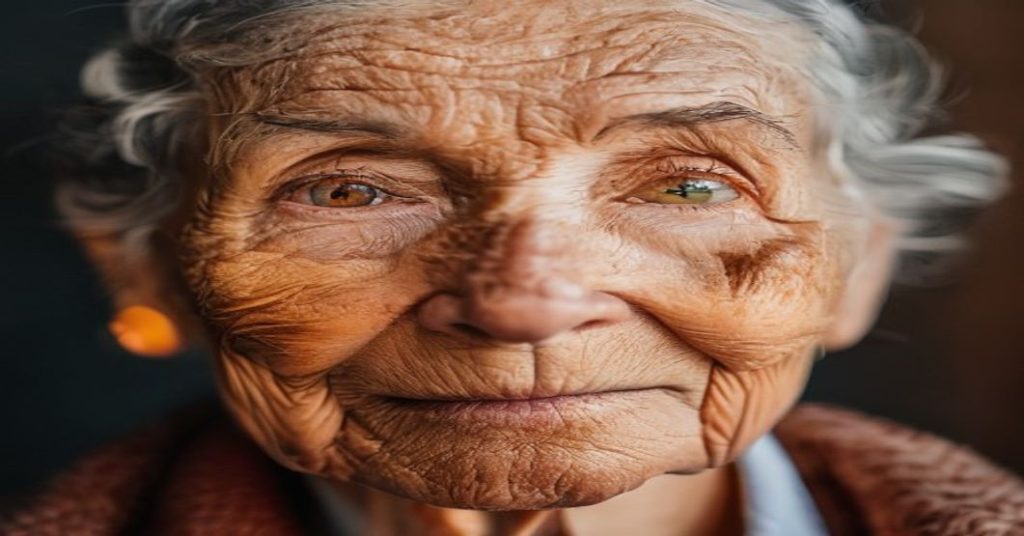
Understanding aging changes skin seniors is important for seniors and their caregivers. aging changes in the skin are a group of common conditions and developments that occur as people grow older.
Information
Skin changes are among the most visible signs of aging. Whitening or graying of the hair is another obvious sign of aging.
Your skin does many things. Evidence of increasing age includeswrinklesand sagging skin. – The middle part (dermis) contains skin cells, blood vessels, nerves, hair follicles, and oil glands. It:
– Contains nerve receptors that allow you to feel touch, pain, and pressure
– Helps control fluid andelectrolytebalance
– Helps control your body temperature
– Protects you from the environment
Although skin has many layers, it can generally be divided into three main parts:
– The outer part (epidermis) contains skin cells, pigment, and proteins. – The inner layer under the dermis (thesubcutaneouslayer) contains sweat glands, some hair follicles, blood vessels, and fat. The dermis provides nutrients to the epidermis. The greatest single factor, though, is sun exposure.
Each layer also contains connective tissue with collagen fibers to give support and elastin fibers to provide flexibility and strength.
Skin changes are related to environmental factors, genetic makeup, nutrition, and other factors. Blue-eyed, fair-skinned people show more aging skin changes than people with darker, more heavily pigmented skin.
AGING CHANGES
With aging, the outer skin layer (epidermis) thins, even though the number of cell layers remains unchanged.
The number of pigment-containing cells (melanocytes) decreases. You can see this by comparing areas of your body that have regular sun exposure with areas that are protected from sunlight.
Natural pigments seem to provide some protection against sun-induced skin damage. Aging skin looks thinner, paler, and clear (translucent). The remaining melanocytes increase in size. The medical term for these areas is lentigos.
Changes in the connective tissue reduce the skin’s strength and elasticity. Pigmented spots includingage spotsor “liver spots” may appear in sun-exposed areas. It is more noticeable in sun-exposed areas (solar elastosis). This is known as elastosis. This leads to bruising, bleeding under the skin (often called senile purpura), andcherry angiomas.
Sebaceous glands produce less oil as you age. Elastosis produces the leathery, weather-beaten appearance common to farmers, sailors, and others who spend a large amount of time outdoors.
The blood vessels of the dermis become more fragile. Women gradually produce less oil beginning after menopause. Men experience a minimal decrease, most often after the age of 80. This increases your risk of skin injury and reduces your ability to keep body temperature. This can make it harder to keep the skin moist, resulting in dryness and itchiness.
The subcutaneous fat layer thins so it has less insulation and padding. Shrinkage of this layer may change the way that these medicines work.
The sweat glands produce less sweat. Because you have less natural insulation, you can gethypothermiain cold weather.
Some medicines are absorbed by the fat layer. Your risk for overheating or developingheat strokeincreases.
Growths such asskin tags,warts, brown rough patches (seborrheic keratoses), and other blemishes are more common in older people. This makes it harder to keep cool. Skin cancers are also common and usually located in sun-exposed areas. Also common are pinkish rough patches (actinic keratosis) which have a small chance of becoming a skin cancer. Your skin is thinner, more fragile, and you lose some of the protective fat layer. Your health care provider can inform you if any skin lesions are worrisome.
EFFECT OF CHANGES
As you age, you are at higher risk for skin injury. Fragile blood vessels can break easily. You also may be less able to sense touch, pressure, vibration, heat, and cold.
Rubbing or pulling on the skin can cause skin tears. Sores are most easily seen on the outside surface of the forearms, but they can occur anywhere on the body.
Aging skin repairs itself more slowly than younger skin. Bruises, flat collections of blood (purpura), and raised collections of blood (hematomas) may form after even a minor injury.
Pressure ulcers can be caused by skin changes, loss of the fat layer, reduced activity, poor nutrition, and illnesses. This contributes to pressure ulcers and infections.Diabetes, blood vessel changes, lowered immunity, and other factors also affect healing.
COMMON PROBLEMS
Skin disorders are so common among older people that it is often hard to tell normal changes from those related to a disorder. Wound healing may be up to 4 times slower. – Use a good quality sunscreen when outdoors, even in the winter. More than 90% of all older people have some type of skin disorder.
Skin disorders can be caused by many conditions, including:
– Blood vessel diseases, such asatherosclerosis
– Diabetes
– Heart disease
– Liver disease
– Nutritional deficiencies
– Obesity
– Reactions to medicines
– Stress
Other causes of skin changes:
– Allergies to plants and other substances
– Climate
– Clothing
– Exposures to industrial and household chemicals
– Indoor heating
Sunlight can cause:
– Loss of elasticity (elastosis)
– Noncancerous skin growths (keratoacanthomas)
– Pigment changes such as liver spots
– Thickening of the skin
Sun exposure has also been directly linked to skin cancers, including basal cell cancer, squamous cell carcinoma, and melanoma.
PREVENTION
Because most skin changes are related to sun exposure, prevention is a lifelong process.
– Prevent sunburn if at all possible.
Good nutrition and sufficient fluids are also helpful.Dehydrationincreases the risk of skin injury. – Wear protective clothing and a hat when needed. Do not use soaps that are strongly detergent (drying) or heavily perfumed. Sometimes minor nutritional deficiencies can cause rashes,skin lesions, and other skin changes, even if you have no other symptoms.
Keep skin moist with lotions and other moisturizers. Moist skin is more comfortable and will heal more quickly.
RELATED TOPICS
– Aging changes in body shape
– Aging changes in hair and nails
– Aging changes in hormone production
– Aging changes in organs, tissues, and cells
– Aging changes in the bones, muscles, and joints
– Aging changes in the breast
– Aging changes in the face
– Aging changes in the senses
Alternative Names
Wrinkles – aging changes; Thinning of skin
– Changes in face with age
📖 References
Standring S. Bath oils are not recommended because they can cause you to slip and fall. In: Standring S, ed.Gray’s Anatomy. Skin and its appendages. Philadelphia, PA: Elsevier; 2021:chap 7.
Tobin DJ, Veysey EC, Finlay AY. 42nd ed. In: Fillit HM, Rockwood K, Young J, eds.Brocklehurst’s Textbook of Geriatric Medicine and Gerontology. Aging and the skin. Philadelphia, PA: Elsevier; 2017:chap 25.
Walston JD. 8th ed. In: Goldman L, Cooney KA, eds.Goldman-Cecil Medicine. Common clinical sequelae of aging. Philadelphia, PA: Elsevier; 2024:chap 24.
📖 Review Date 7/15/2024
Updated by: Frank D. 27th ed. Also reviewed by David C. Brodkey, MD, FCCM, Associate Professor, Section of Pulmonary and Critical Care Medicine, University of Wisconsin School of Medicine and Public Health, Madison, WI. Editorial team.
📖 Related MedlinePlus Health Topics
– Older Adult Health
– Skin Aging Dugdale, MD, Medical Director, Brenda Conaway, Editorial Director, and the A.D.A.M.
About the Author: This article was researched and written by the SilverWell Hub editorial team. It was medically reviewed by Dr. Sarah Mitchell, MD, Geriatrics.
Sources: This article is adapted from MedlinePlus, a service of the National Library of Medicine. Additional review by the SilverWell Hub medical review board.
Disclaimer: This information is for educational purposes only and is not a substitute for professional medical advice. See our full Medical Disclaimer.
Published: July 08, 2026 | Next review: January 2027
