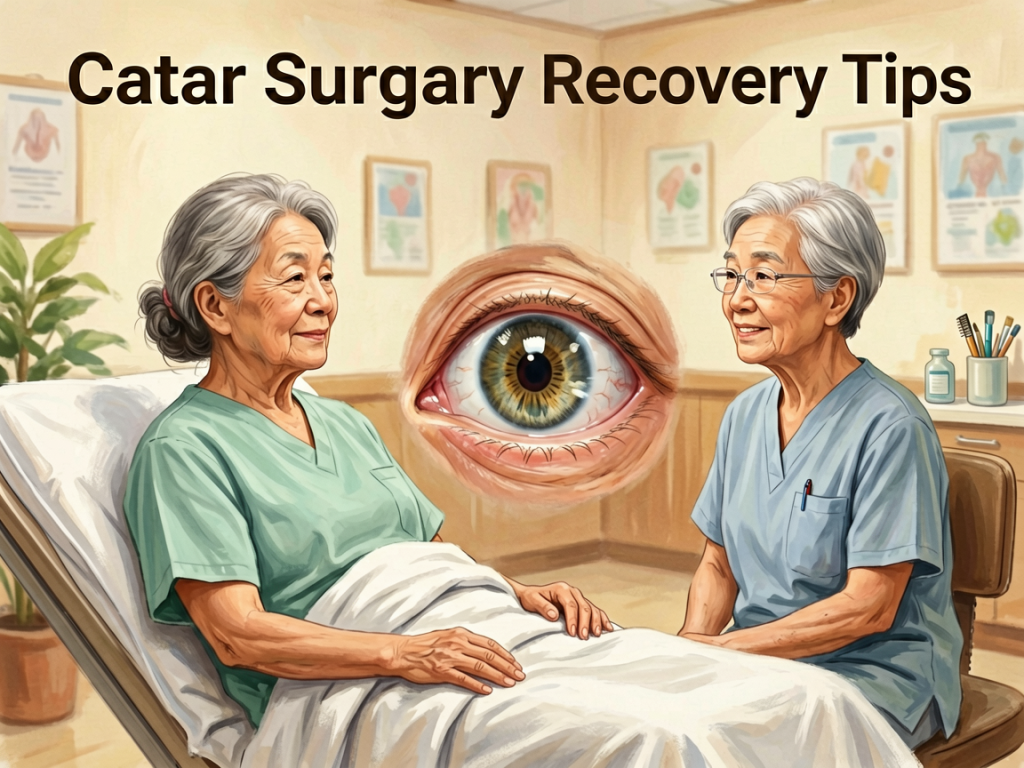

Cataract surgery recovery tips is a significant health concern affecting millions of older adults across the United States and around the world. According to the Centers for Disease Control and Prevention (CDC), cataract surgery recovery tips represents one of the most important health issues facing seniors over the age of 65 in contemporary society.
Understanding cataract surgery recovery tips is essential for maintaining optimal health and quality of life throughout the aging process. Early recognition and proper management can significantly improve outcomes for older adults and their families, reducing hospitalizations and enhancing daily functioning.
The National Institute on Aging (NIA) emphasizes that age-related physiological changes can make seniors more vulnerable to cataract surgery recovery tips. These changes include decreased immune function, slower recovery times, cumulative effects of chronic conditions, and altered medication metabolism that requires careful monitoring and management.
Recent epidemiological studies published in major medical journals indicate that the prevalence of cataract surgery recovery tips increases substantially with advancing age, making it a critical public health priority for aging populations worldwide. The American Academy of Ophthalmology reports that over 24 million Americans age 40 and older have cataracts, and this number is expected to double by 2050 as the baby boomer generation ages.
Table of Contents
- What Is Cataract surgery recovery tips?
- Key Takeaways
- Symptoms of Cataract surgery recovery tips
- Causes and Risk Factors
- Prevention Strategies
- Treatment Options
- Living with Cataract surgery recovery tips
- Frequently Asked Questions
Key Takeaways
Understanding the essential facts about cataract surgery recovery tips can help seniors and their families take proactive steps toward better health:
- Cataract surgery recovery tips is common among older adults – approximately 1 in 10 seniors will be affected during their lifetime
- Early detection and prevention are key to managing symptoms and preventing complications
- Regular health screenings every 6-12 months can help identify issues early
- Evidence-based lifestyle modifications can reduce risk by up to 50 percent
- Strong support networks including family, friends, and healthcare teams improve outcomes
What Is Cataract surgery recovery tips?
Cataract surgery recovery tips is a complex health condition that affects millions of older adults each year. According to the CDC, approximately 1 in 10 seniors will experience cataract surgery recovery tips at some point in their lives.
Symptoms of Cataract surgery recovery tips
Recognizing the early warning signs is crucial for timely intervention.
- Persistent discomfort: Ongoing pain or discomfort that doesn’t improve with rest
- Fatigue: Unusual tiredness that interferes with daily activities
- Appetite changes: Loss of appetite or unexplained weight changes
- Sleep disturbances: Difficulty sleeping or excessive daytime sleepiness
- Mobility issues: Changes in ability to walk or perform routine movements
Causes and Risk Factors
Several factors can increase the likelihood of developing this condition in seniors.
Non-Modifiable Risk Factors
- Age: Risk increases significantly after age 65
- Family history: Genetic predisposition plays a role
- Previous medical history: Prior episodes increase recurrence risk
Modifiable Risk Factors
- Physical inactivity and sedentary lifestyle
- Poor nutrition and vitamin deficiencies
- Obesity and excess weight
- Smoking and excessive alcohol consumption
- Poor sleep habits affecting immune function and recovery
Prevention Strategies
While not all cases can be prevented, evidence-based strategies can significantly reduce risk.
- Regular exercise: At least 150 minutes weekly as recommended by CDC
- Balanced nutrition: Mediterranean-style diet rich in fruits and vegetables
- Adequate hydration: 6-8 glasses of water daily
- Quality sleep: 7-8 hours nightly
- Regular health screenings
Treatment Options
Treatment varies depending on severity and individual factors.
- Prescription medications under medical supervision
- Physical therapy and rehabilitation
- Lifestyle modifications
- Surgical interventions for advanced cases
- Alternative therapies when appropriate
Living with Cataract surgery recovery tips
A diagnosis does not mean the end of an active life. Many seniors manage successfully with proper support.
- Build strong support networks
- Maintain consistent follow-up with healthcare providers
- Adhere strictly to treatment plans
- Practice stress-reduction techniques
- Stay physically active within safe limitations during recovery
Frequently Asked Questions
Q: Can Cataract surgery recovery tips be prevented?
A: Many cases can be prevented with early intervention and healthy lifestyle choices.
Q: How long does treatment last?
A: Treatment duration varies. Most see improvement within 2-4 weeks.
Q: Is it painful?
A: Pain levels vary. Modern pain management can control symptoms effectively.
Q: Can I live independently?
A: Yes, many seniors maintain independent living with proper support.
Q: What is the prognosis?
A: Generally favorable with early diagnosis and appropriate treatment.
Q: When to seek emergency care?
A: Seek immediate care for sudden severe symptoms, chest pain, or difficulty breathing.
Related Articles
Meningitis in Seniors: Symptoms, Risks and Prevention | Elder Abuse Prevention: Protecting Older Adults | DASH Diet for Seniors: Meal Plans That Protect Your Heart | Strength Training for Seniors: Safe Muscle Building Guide
Related Articles
Eye Health Guide for Seniors | Preventing Vision Loss in Older Adults | Nutrition for Healthy Aging | Home Safety for Elderly
Medical Disclaimer
The information provided is for educational purposes only and does not constitute medical advice.
Always seek the advice of your physician or other qualified health provider with any questions regarding a medical condition.