
What Is Key Points About Fall Prevention?
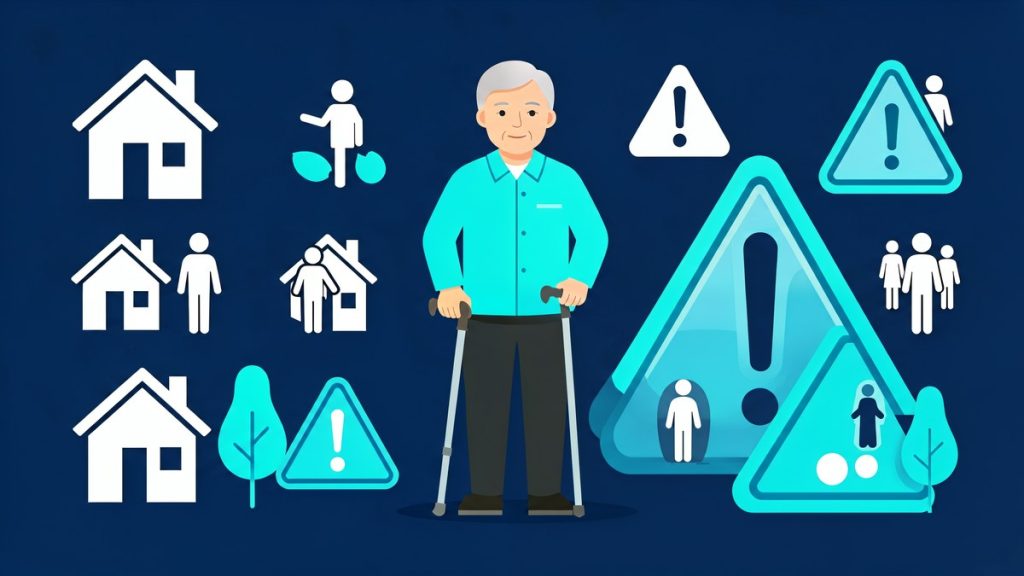
Understanding fall prevention home seniors is important for seniors and their caregivers. falls are the leading cause of injury for adults ages 65 years and older. Each year, more than 14 million older adults, or about 1 in 4, report falling. Falls are common, costly, and preventable. Simple actions taken at home can significantly reduce your risk of falling, and broken hips are one of the most serious fall injuries, with many people unable to live independently after a hip fracture.
Why Falls Matter: The Numbers?
Each year there are about 300,000 hip fracture-related hospitalizations due to older adult falls. In 2019, 83% of hip fracture deaths and 88% of emergency department visits and hospitalizations for hip fractures were caused by falls. Women experience about 70% of hip fractures treated in the emergency department or hospital.
Falls are also the leading cause of injury-related death among older adults, and the fall death rate is increasing. The age-adjusted fall death rate rose 21% from 2018 to 2024, from 64.7 to 78.4 per 100,000 older adults. While not all falls result in an injury, about 37% of those who fall report an injury that requires medical treatment or restricts their activity for at least one day.
📖 What Is Talk to Your Doctor About Fall Risk?
What Is Talk to Your Doctor About Fall Risk?
Your doctor can evaluate your risk for falling and talk with you about specific things you can do. Ask your doctor or pharmacist to review your medicines, including prescriptions and over-the-counter products, to see if any might make you dizzy or sleepy. Ask about taking vitamin D supplements, which support bone and muscle health. Be honest about any falls you have had, even if you were not hurt, because they are an important warning sign.
📖 What Are Get Screened for Osteoporosis?
What Are Get Screened for Osteoporosis?
Osteoporosis weakens the bones and dramatically increases the chance of a fracture from a fall. Get screened for osteoporosis and treated if needed. If you have been diagnosed with osteoporosis, follow your doctor’s treatment plan, which may include calcium and vitamin D, weight-bearing exercise, and prescription medication to protect bone density.
📖 Do Strength and Balance Exercises?
Do Strength and Balance Exercises?
Exercise that makes your legs stronger and improves your balance is one of the most effective ways to prevent falls. Tai Chi is a good example of this kind of exercise. Other options include walking, chair exercises, and balance training such as standing on one foot while holding a stable surface. Aim for exercises that build lower-body strength and challenge your balance safely, several times a week. Ask your doctor before starting a new exercise routine.
📖 What Is Have Your Eyes Checked?
What Is Have Your Eyes Checked?
Have your eyes checked by an eye doctor at least once a year, and update your eyeglasses if needed. If you wear bifocal or progressive lenses, consider a pair of glasses with only your distance prescription for outdoor activities such as walking. Bifocals can make objects seem closer or farther away than they really are, which can cause missteps and falls, especially on stairs.
📖 What Is Make Your Home Safer?
What Is Make Your Home Safer?
Most falls happen at home. Simple changes make a big difference:
- Get rid of things you could trip over, such as loose rugs, cords, and clutter in walkways.
- Add grab bars inside and outside your tub or shower and next to the toilet.
- Put railings on both sides of stairs, and keep stairways clear.
- Make sure your home has lots of light by adding brighter light bulbs and night lights in hallways and bathrooms.
- Keep frequently used items within easy reach so you do not need a step stool.
- Wear sturdy, non-slip shoes inside the home instead of slippers or bare feet.
📖 What to Do If You Fall?
What to Do If You Fall?
If you fall, stay calm and check for injuries before trying to get up. If you are hurt or unable to get up, call for help using a phone, medical alert device, or by calling out to a neighbor. If you are not injured, get up slowly using a sturdy chair for support. Tell your doctor about any fall, even if you were not hurt, because it may indicate an underlying problem such as weak muscles, poor balance, or medication side effects that can be addressed.
📖 What Are Frequently Asked Questions?
What Are Frequently Asked Questions?
Q: How common are falls in older adults?
A: More than 14 million older adults, or 1 in 4 people ages 65 and older, report falling each year, and falls are the leading cause of injury for this age group.
Q: What is the single most important thing I can do to prevent a fall?
A: Talk to your doctor about your fall risk and have your medicines reviewed, then work on strength and balance exercises and make your home safer. All four actions together give the best protection.
Q: Do I really need grab bars in the bathroom?
A: Yes. Bathrooms are one of the most common places for falls. Grab bars inside and outside the tub or shower and next to the toilet provide support where you need it most.
Q: Are falls a normal part of aging?
A: No. Falls are common, but they are preventable. Strength, balance, vision, medication, and home hazards can all be addressed to reduce risk.
📖 What Are Key Takeaways?
What Are Key Takeaways?
- Falls are the leading cause of injury for adults 65 and older, but most falls can be prevented.
- Have your doctor evaluate your fall risk and review all medicines, including over-the-counter products.
- Strength and balance exercises, such as Tai Chi, reduce fall risk.
- Home safety changes: remove trip hazards, add grab bars, improve lighting, and install stair railings.
- Get screened for osteoporosis and have your eyes checked at least once a year.
- Report every fall to your doctor, even if you were not hurt.
- World Health Organization
This article was adapted from the sources above and reviewed for accuracy by the SilverWell Hub editorial team. It is for informational purposes and is not a substitute for professional medical advice, diagnosis, or treatment.