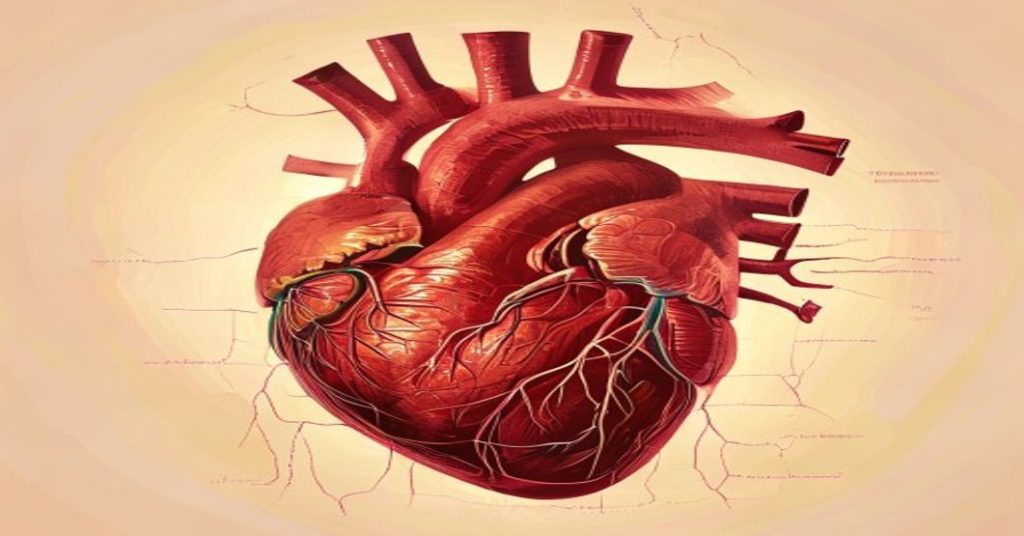

Heart failure is a condition in which the heart is no longer able to pump oxygen-rich blood to the rest of the body efficiently. This causes symptoms throughout the body. While the term “heart failure” sounds alarming, it does not mean the heart has stopped beating — rather, it means the heart’s pumping ability is weaker than normal. For seniors, understanding and managing heart failure is essential for maintaining quality of life and independence.
What Is Heart Failure?
Heart failure is a condition in which the heart is no longer able to pump oxygen-rich blood to the rest of the body efficiently. This causes symptoms to occur throughout the body.
Heart failure affects millions of older adults worldwide. It is the leading cause of hospitalization in people over 65. When the heart cannot pump enough blood, the body tries to compensate by retaining fluid and salt, making the heart work even harder. Understanding this cycle is the first step toward managing the condition effectively.
Causes and Risk Factors in Seniors
Heart failure is most often a long-term (chronic) condition, but it may come on suddenly. It can be caused by many different heart problems.The condition may affect only the right side or only the left side of the heart. Both sides of the heart also can be involved.Heart failure may be due to two different problems with the heart muscle:Your heart muscle cannot contract very well. This is called systolic heart failure, or heart failure with a reduced ejection fraction (HFrEF).Your heart muscle is stiff and does not fill up with blood easily even though pumping power is normal. This is called diastolic heart failure, or heart failure with a preserved ejection fraction (HFpEF).As the heart’s pumping becomes less effective, blood may back up in other areas of the body. Fluid may build up in the lungs, liver, gastrointestinal tract, and the arms and legs. This is called congestive heart failure or, more simply, just heart failure.The most common causes of heart failure are:Coronary artery disease (CAD), a narrowing or blockage of the arteries that supply blood and oxygen to the heart. This can weaken the heart muscle over time or suddenly.High blood pressure that is not well controlled, leading to problems with stiffness of the heart muscle, or eventually leading to heart muscle weakening. Other heart problems that may cause heart failure are:Congenital heart diseaseHeart attack (when coronary artery disease results in a sudden blockage of a heart artery)Heart valves that are leaky or narrowedInfection that weakens the heart muscleSome types of abnormal heart rhythms (arrhythmias) Other diseases that can cause or contribute to heart failure:AmyloidosisEmphysemaOveractive thyroidSarcoidosisSevere anemiaToo much iron in the body (usually due to hereditary hemochromatosis)Underactive thyroid As we age, the heart naturally undergoes changes — the heart muscle may thicken, arteries may become stiffer, and the heart’s electrical system may show wear. When combined with other risk factors common in older adults, the likelihood of developing heart failure increases significantly. Key age-related risk factors include:
- Coronary artery disease (CAD) — The most common cause of heart failure in seniors. Narrowed arteries reduce blood flow to the heart muscle, weakening it over time.
- High blood pressure — Long-standing hypertension forces the heart to pump harder, eventually causing the muscle to thicken or weaken.
- Previous heart attack — Damage from a heart attack can leave scar tissue that impairs the heart’s pumping ability.
- Heart valve problems — Leaky or narrowed valves are more common with age and force the heart to work harder.
- Diabetes — This condition increases the risk of both CAD and high blood pressure.
- Arrhythmias — Irregular heart rhythms, especially atrial fibrillation, can contribute to heart failure.
Symptoms to Watch For
Symptoms of heart failure often begin slowly. At first, they may only occur when you are very active. Over time, you may notice breathing problems and other symptoms even when you are resting. Symptoms may also appear suddenly after the heart is damaged from a heart attack or other problem.Common symptoms are:Cough Fatigue, weakness, faintness Loss of appetite Need to urinate at night Pulse that feels fast or irregular, or a sensation of feeling the heartbeat (palpitations) Shortness of breath when you are active or after you lie down Swollen (enlarged) liver or abdomen Swollen feet and anklesWaking up from sleep after a couple of hours due to shortness of breath Weight gain In seniors, these symptoms can sometimes be mistaken for normal aging or other health conditions. It is important to pay attention to changes in your body. Symptoms that warrant medical attention include:
- Shortness of breath — Especially during activity or when lying flat. You may need extra pillows to sleep comfortably at night.
- Swelling (edema) — In the feet, ankles, legs, or abdomen. This happens because fluid builds up when the heart cannot pump efficiently.
- Fatigue and weakness — Feeling unusually tired during daily activities that used to be easy.
- Persistent cough or wheezing — Especially with white or pink phlegm, which can be a sign of fluid in the lungs.
- Rapid or irregular heartbeat — The heart may beat faster to compensate for reduced pumping ability.
- Sudden weight gain — Gaining 2 to 3 pounds in a day or 5 pounds in a week can signal fluid buildup.
- Loss of appetite or nausea — The digestive system receives less blood, affecting digestion.
- Increased need to urinate at night — Fluid that accumulated in the legs during the day returns to the bloodstream when lying down.
Diagnosis and Medical Tests
Your health care provider will examine you for signs of heart failure:Fast or difficult breathingLeg swelling (edema)Neck veins that stick out (are distended)Sounds (crackles) from fluid buildup in your lungs, heard through a stethoscopeSwelling of the liver or abdomenUneven or fast heartbeat and abnormal heart sounds Many tests are used to diagnose and monitor heart failure.After an electrocardiogram (ECG), an echocardiogram (echo) is most often the best first test for people when heart failure is being evaluated. Your provider will use it to guide your treatment.Other imaging tests can look at how well your heart is able to pump blood, and how much the heart muscle is damaged.Many blood tests may also be used to:Help diagnose and monitor heart failureIdentify risks for various types of heart diseaseLook for possible causes of heart failure, or problems that may make your heart failure worseMonitor for side effects of medicines you may be taking Your healthcare provider will perform a thorough examination. Key diagnostic tools include:
- Echocardiogram (Echo) — An ultrasound of the heart that shows how well the heart muscle is pumping and how the valves are working. This is the most important test for diagnosing heart failure.
- Electrocardiogram (ECG) — Records the heart’s electrical activity and can detect heart attacks, arrhythmias, and heart muscle strain.
- Blood tests — Including BNP (B-type natriuretic peptide), a substance released when the heart is under stress. High levels strongly suggest heart failure.
- Chest X-ray — Can show an enlarged heart and fluid in the lungs.
- Stress test — Evaluates how the heart performs under physical activity.
Your ejection fraction (EF) — the percentage of blood the heart pumps out with each beat — is an important measurement. A normal EF is 50-70%. An EF below 40% indicates systolic heart failure (HFrEF), while a normal EF with symptoms suggests diastolic heart failure (HFpEF), which is more common in older adults, especially women.
Treatment and Lifestyle Management
MONITORING AND SELF CARE If you have heart failure, your provider will monitor you closely. You will have follow-up visits at least every 3 to 6 months, but sometimes much more often. You will also have tests to check your heart function.Knowing your body and the symptoms that mean your heart failure is getting worse will help you stay healthier and out of the hospital. At home, watch for changes in your heart rate, pulse, blood pressure, and weight.Weight gain and leg swelling, especially over a few day, can be a sign that your body is holding on to extra fluid and your heart failure is getting worse. Talk to your provider about what you should do if your weight goes up or you develop more symptoms.Limit how much salt you eat. Your provider may also ask you to limit how much fluid you drink during the day.Other important changes to make in your lifestyle:Ask your provider how much alcohol you may drink.DO NOT smoke or use tobacco.Stay active. Walk or ride a stationary bicycle. Your provider can provide a safe and effective exercise plan for you. DO NOT exercise on days when your weight has gone up from fluid or you are not feeling well.Lose weight if you are overweight.Lower your cholesterol by changing your lifestyle.Get enough rest, including after exercise, eating, or other activities. This allows your heart to rest too. MEDICINES, SURGERY, AND DEVICES You will need to take medicines to treat your heart failure. Medicines treat the symptoms, prevent your heart failure from getting worse, and help you live longer. It is very important that you take your medicine as your health care team directs.These medicines may:Help the heart muscle pump betterKeep your blood from clottingLower your cholesterol levelsOpen up blood vessels or slow your heart rate so your heart does not have to work as hardReduce damage to your heartReduce the risk for abnormal heart rhythmsReplace potassium in your bodyRid your body of excess fluid and salt (sodium) It is very important that you take your medicine as directed. DO NOT take any other medicines or herbs without first asking your provider about them. Medicines that may make your heart failure worse include:Ibuprofen (Advil, Motrin)Naproxen (Aleve, Naprosyn) The following surgeries and devices may be recommended for some people with heart failure: Coronary bypass surgery (CABG) or angioplasty with or without stenting may help improve blood flow to the damaged or weakened heart muscle.Heart valve surgery may be done if changes in a heart valve are causing your heart failure.A pacemaker can help treat slow heart rates or help both sides of your heart contract at the same time.A defibrillator sends an electrical pulse to stop life-threatening abnormal heart rhythms. END-STAGE HEART FAILURE Severe heart failure occurs when treatments no longer work. Certain treatments may be used when a person is waiting for (or instead of) a heart transplant:Intra-aortic balloon pump (IABP)Left or right ventricular assist device (LVAD)Total artificial heart At a certain point, the provider will decide whether it is best to keep treating heart failure aggressively. The person, along with their family and providers, may want to discuss palliative or comfort care at this time.
Treatment for heart failure typically involves a combination of medications, lifestyle changes, and sometimes devices or surgery. The goal is to relieve symptoms, slow disease progression, and improve quality of life.
Common heart failure medications include:
- Diuretics (water pills) — Help remove excess fluid from the body, reducing swelling and making breathing easier.
- ACE inhibitors or ARBs — Relax blood vessels, making it easier for the heart to pump blood forward.
- Beta-blockers — Slow the heart rate and reduce the heart’s workload.
- Mineralocorticoid receptor antagonists — Help remove fluid and reduce scarring of the heart muscle.
- SGLT2 inhibitors — A newer class of medications that help protect the heart and kidneys in people with heart failure.
For some seniors with advanced heart failure, devices such as implantable cardioverter-defibrillators (ICDs) or pacemakers may be recommended. These help prevent dangerous heart rhythms and coordinate the heart’s pumping.
Self-Care at Home
Managing heart failure effectively requires active participation in your own care. Here are essential self-care strategies for seniors:
- Weigh yourself daily — Weigh yourself at the same time each morning, after urinating but before eating or drinking. Keep a log and report any sudden weight gain to your doctor.
- Limit sodium (salt) — Most seniors with heart failure should limit sodium to less than 1,500-2,000 mg per day. Avoid processed foods, canned soups, and salty snacks. Use herbs and spices for flavor instead of salt.
- Monitor fluid intake — Some people need to limit how much they drink. Ask your provider what is right for you.
- Stay active safely — Gentle exercise like walking, seated exercises, or stationary cycling can help maintain heart health. Always follow your provider’s exercise plan.
- Take medications as prescribed — Use a pill organizer or daily reminder. Never stop or change heart medications without talking to your doctor.
- Manage other health conditions — Keep blood pressure, diabetes, and cholesterol under control.
- Avoid smoking and limit alcohol — Both can worsen heart failure.
- Get adequate rest — Pace yourself during the day and rest after meals and activities.
Outlook and Prognosis
While heart failure is a serious chronic condition, many seniors live full and active lives with proper management. The key is early diagnosis, consistent treatment, and good communication with your healthcare team. Factors that can cause heart failure to worsen suddenly include: eating high-salt foods, missing medications, infections, abnormal heart rhythms, heart attacks, and other illnesses.
People with advanced heart failure who no longer respond to medications may need specialized care. For some, an implanted defibrillator provides protection against dangerous heart rhythms. Others may be candidates for advanced therapies such as ventricular assist devices or, in rare cases, heart transplantation.
Regular follow-up care — including visits every 3 to 6 months or more often — is essential for monitoring your condition and adjusting treatment as needed.
Prevention Tips for Seniors
Most cases of heart failure can be prevented by living a healthy lifestyle and taking steps aimed at reducing your risk for heart disease. .
Taking steps to protect your heart can significantly reduce your risk of developing heart failure in the first place:
- Control blood pressure — Keep your blood pressure in a healthy range through diet, exercise, and medication if needed.
- Manage diabetes — Keep blood sugar levels well controlled.
- Eat a heart-healthy diet — Focus on fruits, vegetables, whole grains, lean proteins, and healthy fats. The DASH diet and Mediterranean diet are excellent choices.
- Stay physically active — Aim for at least 30 minutes of moderate activity most days, as your provider approves.
- Avoid smoking — If you smoke, seek help to quit. Smoking damages blood vessels and worsens heart disease.
- Limit alcohol — If you drink alcohol, do so in moderation (no more than one drink per day for women, two for men).
- Get regular checkups — Routine medical visits can catch early signs of heart problems before they become serious.
When to See Your Doctor
Contact your provider if you develop:Increased cough or phlegmSudden weight gain or swellingWeaknessOther new or unexplained symptoms Go to the emergency room or call the local emergency number (such as 911) if: You faint You have fast and irregular heartbeat (especially if you also have other symptoms)You feel a severe chest pain Call your provider if you develop:
- Increased cough or phlegm production
- Sudden weight gain (2-3 pounds in a day or 5 pounds in a week)
- New or worsening swelling in your legs, ankles, or abdomen
- Increasing weakness or fatigue
- Increasing shortness of breath during activity or at rest
- Difficulty sleeping flat or waking up breathless at night
Call 911 or go to the emergency room if:
- You faint or lose consciousness
- You have a fast or irregular heartbeat along with other symptoms
- You feel severe chest pain or pressure
- You have severe difficulty breathing
Frequently Asked Questions
Can heart failure be cured?
Heart failure is a chronic condition that can be managed, but there is usually no cure. However, with proper treatment, many people experience significant improvement in symptoms and quality of life. Some causes of heart failure, such as valve problems or certain arrhythmias, can be treated more directly.
Is heart failure the same as a heart attack?
No. A heart attack happens when blood flow to part of the heart is suddenly blocked. Heart failure is a gradual condition where the heart’s pumping ability becomes weaker over time. A heart attack can cause heart failure, but they are different medical events.
Does heart failure mean my heart will stop?
No. The term “heart failure” means the heart is not pumping as well as it should. It does not mean the heart is about to stop. With treatment and lifestyle changes, you can manage the condition and maintain an active life.
How long can a senior live with heart failure?
Many seniors live many years after a heart failure diagnosis. Life expectancy depends on the cause, severity, age, overall health, and how well the condition is managed. Early diagnosis and consistent treatment improve outcomes significantly.
Can exercise make heart failure worse?
No — appropriate exercise is beneficial for heart failure. Your doctor can recommend a safe exercise plan tailored to your condition. Many cardiac rehabilitation programs are specifically designed for people with heart failure. Do not exercise on days when you have fluid weight gain or feel unwell.
This article is based on information from the National Institutes of Health (MedlinePlus) — Heart Failure, reviewed July 2024. Always consult your healthcare provider for medical advice specific to your situation.