
Why Iron Is Important for Seniors
Preventing iron deficiency starts with knowing your risk and building iron-rich meals into your weekly routine before symptoms appear.
Iron is a mineral essential for producing hemoglobin, the protein in red blood cells that carries oxygen throughout your body. Without enough iron, your body can’t make sufficient healthy red blood cells, leading to iron deficiency anemia—a condition that causes fatigue, weakness, and other serious health problems.
While iron deficiency is more common in younger women and children, seniors are also at risk. Poor appetite, medication interactions, chronic diseases, and reduced stomach acid can all contribute to low iron levels in older adults.
Signs of Iron Deficiency
Watch for these symptoms of low iron:
- Extreme fatigue and weakness
- Pale skin
- Shortness of breath
- Dizziness or lightheadedness
- Cold hands and feet
- Headaches
- Brittle nails
- Craving ice or non-food items (pica)
Iron-Rich Food Sources
Heme Iron (from animal sources – better absorbed)
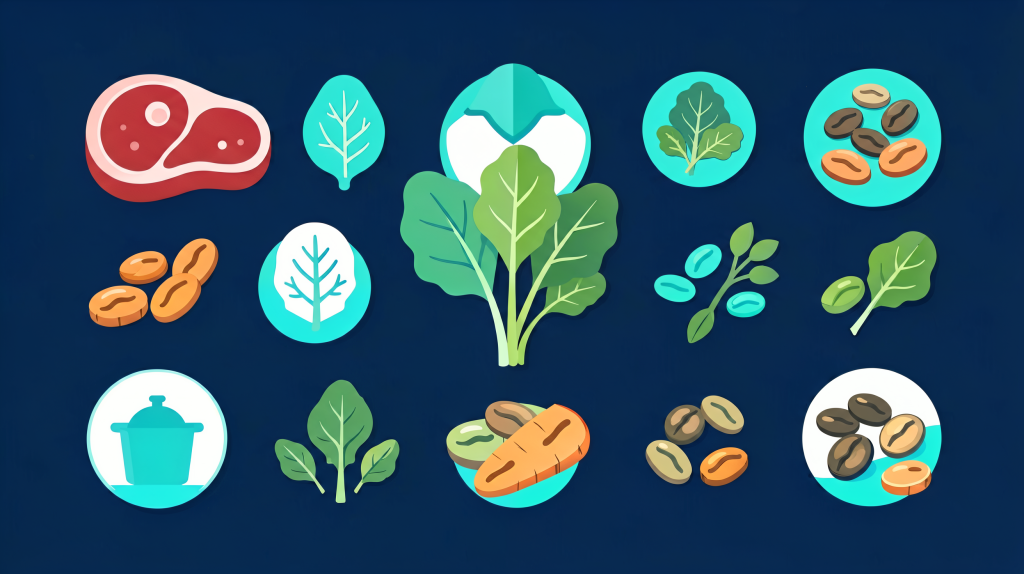
- Red meat: Beef, lamb, and liver are excellent sources
- Poultry: Chicken and turkey, especially dark meat
- Fish and shellfish: Clams, oysters, sardines, and tuna
- Eggs: Particularly the yolk
Non-Heme Iron (from plant sources)
- Legumes: Lentils, beans, chickpeas, and soybeans
- Leafy greens: Spinach, kale, and Swiss chard
- Fortified cereals: Many breakfast cereals are iron-fortified
- Nuts and seeds: Pumpkin seeds, cashews, and sesame seeds
- Tofu: Especially when made with calcium sulfate
- Quinoa: A complete protein that also provides iron
Enhancing Iron Absorption
Vitamin C significantly enhances iron absorption. Combine iron-rich foods with vitamin C sources:
- Orange juice with fortified cereal
- Bell peppers with beans or lentils
- Tomato sauce with spinach and lentils
- Strawberries with iron-fortified toast
- Lemon juice on leafy green salads
Factors That Block Iron Absorption
Certain substances can inhibit iron absorption:
- Calcium: Dairy products and supplements can block both heme and non-heme iron
- Tannins: Found in tea and coffee—avoid drinking these with meals
- Phytates: Found in whole grains and legumes; soaking helps reduce them
- Some medications: Antacids and acid-reducing drugs can interfere
Iron Needs for Seniors
Recommended daily intake:
- Men over 50: 8 mg per day
- Women over 50: 8 mg per day
- Pregnant women: 27 mg per day (not typical for seniors)
Note: Postmenopausal women and older men need less iron than younger women because they no longer lose iron through menstruation.
Iron Deficiency Anemia in Seniors
Iron deficiency is the most common nutritional deficiency in older adults. Causes include:
- Poor dietary intake due to limited income or mobility
- Chronic diseases (kidney disease, cancer, inflammatory conditions)
- Bleeding from ulcers or other gastrointestinal issues
- Medications that affect absorption
- Reduced stomach acid production with age
Frequently Asked Questions
Should I take an iron supplement?
Only take iron supplements if recommended by your doctor. Excess iron can be harmful, causing constipation, nausea, and in severe cases, organ damage. Get your iron levels checked before starting supplements.
How long does it take to correct iron deficiency?
With supplementation, iron levels typically improve within 2-4 weeks. However, it may take several months to fully replenish iron stores. Continue treatment as long as your doctor recommends.
Can I get too much iron from food?
No, it’s very difficult to get iron toxicity from food alone. Iron overload usually comes from supplements or certain medical conditions. Stick to food sources unless your doctor prescribes supplements.
Key Takeaways
- Iron is essential for oxygen transport and energy production
- Seniors need 8 mg of iron daily
- Combine iron-rich foods with vitamin C for better absorption
- Avoid tea, coffee, and dairy with iron-rich meals
- Get tested before taking iron supplements
- World Health Organization
This article was adapted from the sources above and reviewed for accuracy by the SilverWell Hub editorial team. It is for informational purposes and is not a substitute for professional medical advice, diagnosis, or treatment.