
What Are the Common Causes and Risk Factors?
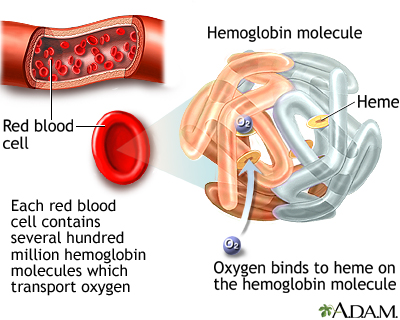
Red blood cells bring oxygen to your body’s tissues. Red blood cells are made in your bone marrow. Red blood cells circulate through your body for 3 to 4 months. Parts of your body, such as your spleen, remove old blood cells.
Iron is a key part of red blood cells. Without iron to make hemoglobin, your blood cannot carry oxygen effectively. Your body normally gets iron through your diet. It also reuses iron from old red blood cells.
Iron deficiency anemia develops when your body’s iron stores run low. This can occur because:
- You lose more blood cells and iron than your body can replace
- Your body does not absorb iron well
- Your body is able to absorb iron, but you are not eating enough foods that contain iron
- Your body needs more iron than normal (such as if you are pregnant or breastfeeding)
Bleeding can cause iron loss. Common causes of bleeding are:
- Heavy, long, or frequent menstrual periods
- Cancer in the esophagus , stomach , small bowel, or colon
- Esophageal varices
, often from cirrhosis - The use of aspirin, ibuprofen, or medicines that may thin the blood for a long time, which can cause gastrointestinal bleeding
- Peptic ulcer disease
Your body may not absorb enough iron from your diet due to:
- Celiac disease
- Crohn disease
- Gastric bypass surgery
- Taking too many antacids or too much of the antibiotic tetracycline
You may not get enough iron in your diet if:
- You are a strict vegetarian
- You do not eat enough foods that contain iron
What Are the Symptoms and Warning Signs?

You may have no symptoms if the anemia is mild.
Most of the time, symptoms are mild at first and develop slowly. Symptoms may include:
- Feeling weak or tired more often than usual, or with exercise
- Headaches
- Dizziness
- Palpitations
- Problems concentrating or thinking
As the anemia gets worse, symptoms may include:
- Brittle nails
- Blue color to the whites of the eye
- Desire to eat ice or other non-food things ( pica )
- Feeling lightheaded when you stand up
- Pale skin color
- Shortness of breath
- Sore or inflamed tongue
- Mouth ulcers
- Uncontrolled movement of legs (during sleep) – known as restless leg syndrome
- Hair loss
Symptoms of the conditions associated with bleeding that cause iron deficiency anemia include:
- Dark, tar-colored stools or blood in the stool
- Heavy menstrual bleeding
- Pain in the upper belly (from ulcers)
📖 What Are Exams and Tests?
What Are Exams and Tests?
To diagnose anemia, your health care provider may order these blood tests:
- Complete blood count
(CBC) - Reticulocyte count
To check iron levels, your provider may order:
- Serum iron
level - Total iron binding capacity
(TIBC) in the blood - Serum ferritin
- Bone marrow biopsy
(if the diagnosis is not clear)
To check for causes of blood loss, your provider may order:
- Colonoscopy
- Fecal occult blood test
- Upper endoscopy
- Tests to detect sources of blood loss in the urinary tract or uterus
📖 How Is It Treated?
How Is It Treated?
Treatment may include taking iron supplements and eating iron-rich foods .
Iron supplements (most often ferrous sulfate) build up the iron stores in your body. Most of the time, your provider will measure your iron level before you start supplements.
If you cannot take iron by mouth, you may need to take it through a vein ( intravenous ) or, less commonly, by an injection into the muscle.
Pregnant and breastfeeding women will need to take extra iron because they often cannot get enough iron from their normal diet.
Often your anemia will improve or resolve with 6 weeks of iron therapy. You will need to keep taking iron for another 6 months to replace your body’s iron stores in your bone marrow.
Iron supplements are mostly well tolerated, but may cause:
- Nausea
- Vomiting
- Constipation
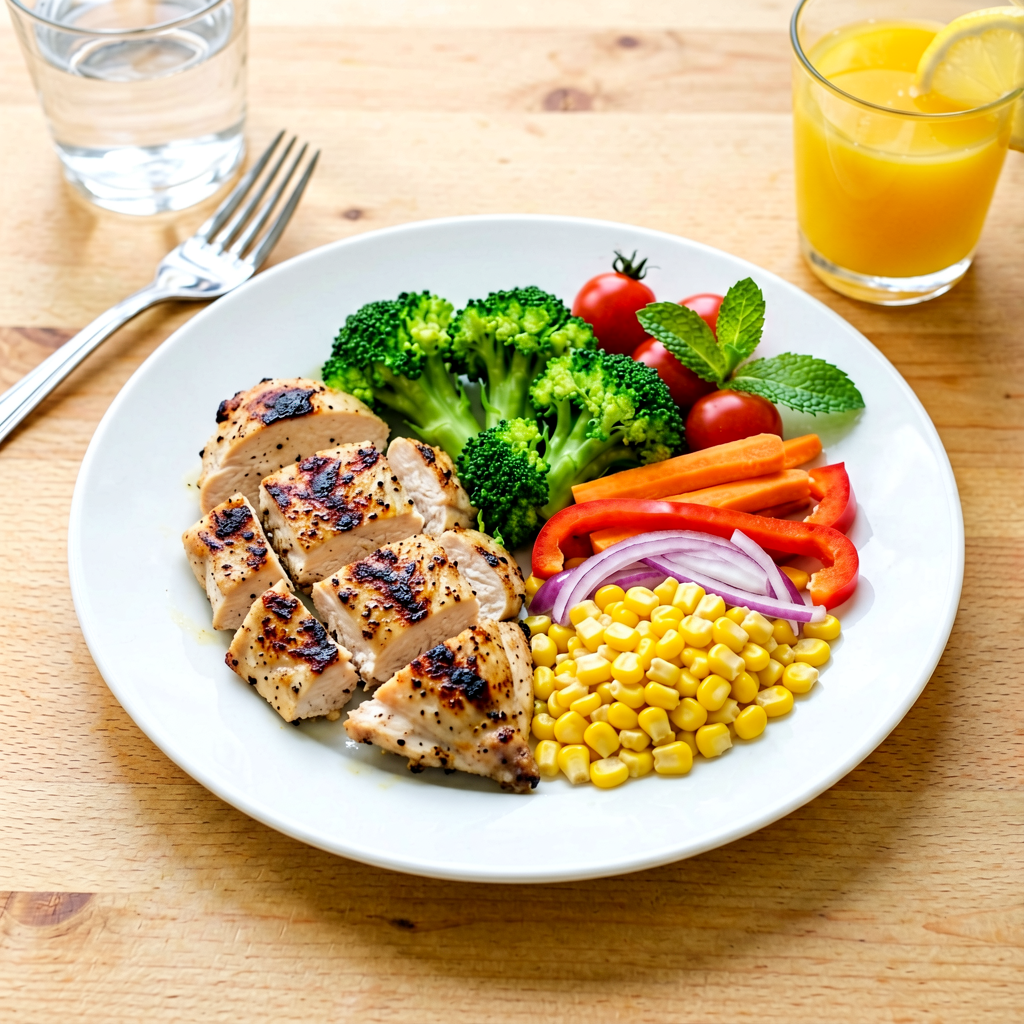
Iron-rich foods include:
- Chicken and turkey
- Dried lentils, peas, and beans
- Fish
- Meats (liver is the highest source)
- Soybeans, baked beans, chickpeas
- Whole-grain bread
Other sources include:
- Oatmeal
- Raisins, prunes, apricots, and peanuts
- Spinach, kale, and other greens
Vitamin C helps your body to absorb iron. Good sources of vitamin C are:
- Oranges
- Grapefruits
- Kiwi
- Strawberries
- Broccoli
- Tomatoes
📖 What Is Outlook (Prognosis)?
What Is Outlook (Prognosis)?
With treatment, the outcome is likely to be good, but it does depend on the cause.
📖 When to Contact a Medical Professional?
When to Contact a Medical Professional?
Contact your provider if:
- You have symptoms of iron deficiency
- You notice blood or a black tar-appearance in your stool
📖 How Is It Prevented?
How Is It Prevented?
A balanced diet should include enough iron. Food sources of iron are listed above. If advised by your provider, take iron supplements.
Anemia – iron deficiency
-
 Reticulocytes
 -
 Blood cells
 -
 Hemoglobin
 Reticulocytes
 Blood cells
 Hemoglobin
Camaschella C. Disorders of iron homeostasis: iron deficiency and overload. In: Hoffman R, Benz EJ, Silberstein LE, et al, eds.
Hematology: Basic Principles and Practice . 8th ed. Philadelphia, PA: Elsevier; 2023:chap 37.
Elghetany MT, Banki K. Erythrocytic disorders. In: McPherson RA, Pincus MR, eds.
Henry’s Clinical Diagnosis and Management by Laboratory Methods . 24th ed. Philadelphia, PA: Elsevier; 2022:chap 33.
Means RT Jr. Approach to the anemias. In: Goldman L, Cooney KA, eds.
Goldman-Cecil Medicine . 27th ed. Philadelphia, PA: Elsevier; 2024:chap 144.
National Heart, Lung, and Blood Institute website. Iron-deficiency anemia.
www.nhlbi.nih.gov/health/anemia/iron-deficiency-anemia . Updated March 24, 2022. Accessed April 7, 2025.
Updated by: Warren Brenner, MD, Oncologist, Lynn Cancer Institute, Boca Raton, FL. Review provided by VeriMed Healthcare Network. Also reviewed by David C. Dugdale, MD, Medical Director, Brenda Conaway, Editorial Director, and the A.D.A.M. Editorial team.
- Anemia
- Iron
Frequently Asked Questions
Key Takeaways
Treatment may include
With treatment, the outcome is likely to be good, but it does depend on the cause.
What Are the Common Causes and Risk Factors?
What Are the Symptoms and Warning Signs?
Feeling weak or tired more often than usual, or with exercise Headaches Dizziness Palpitations Problems concentrating or thinking As the anemia gets worse, symptoms may include:
Brittle nails Blue color to the whites of the eye Desire to eat ice or other non-food things ( pica ) Feeling lightheaded when you stand up Pale skin color Shortness of breath Sore or inflamed tongue Mouth ulcers Uncontrolled movement of legs (during sleep) – known as restless leg syndrome Hair loss Symptoms of the conditions associated with bleeding that cause iron deficiency anemia include:
Dark, tar-colored stools or blood in the stool Heavy menstrual bleeding Pain in the upper belly (from ulcers) 📖 What Are Exams and Tests?
What Are Exams and Tests?
Complete blood count (CBC) Reticulocyte count To check iron levels, your provider may order:
Serum iron level Total iron binding capacity (TIBC) in the blood Serum ferritin Bone marrow biopsy (if the diagnosis is not clear) To check for causes of blood loss, your provider may order:
Colonoscopy Fecal occult blood test Upper endoscopy Tests to detect sources of blood loss in the urinary tract or uterus 📖 How Is It Treated?
How Is It Treated?
About the Author: This article was researched and written by the SilverWell Hub editorial team. It was reviewed by the SilverWell Hub editorial team.
Sources: This article is adapted from MedlinePlus, a service of the National Library of Medicine.
Disclaimer: This information is for educational purposes only. See our full Medical Disclaimer.
Published: July 19, 2026