
weight Management changes with Age
Maintaining a healthy weight becomes increasingly important as we age. Excess weight strains joints, increases risk of chronic diseases, and reduces mobility. However, crash diets and extreme weight loss can be dangerous for seniors.
The CDC emphasizes gradual, sustainable approaches to weight management for older adults, focusing on nutrition quality and physical activity rather than rapid weight loss.
Health Risks of Excess Weight
- Increased risk of type 2 diabetes
- Higher blood pressure and cholesterol
- Gallbladder disease
- Heart disease and stroke
- Joint problems and arthritis
- Certain cancers
- Sleep apnea
Nutrition Guidelines
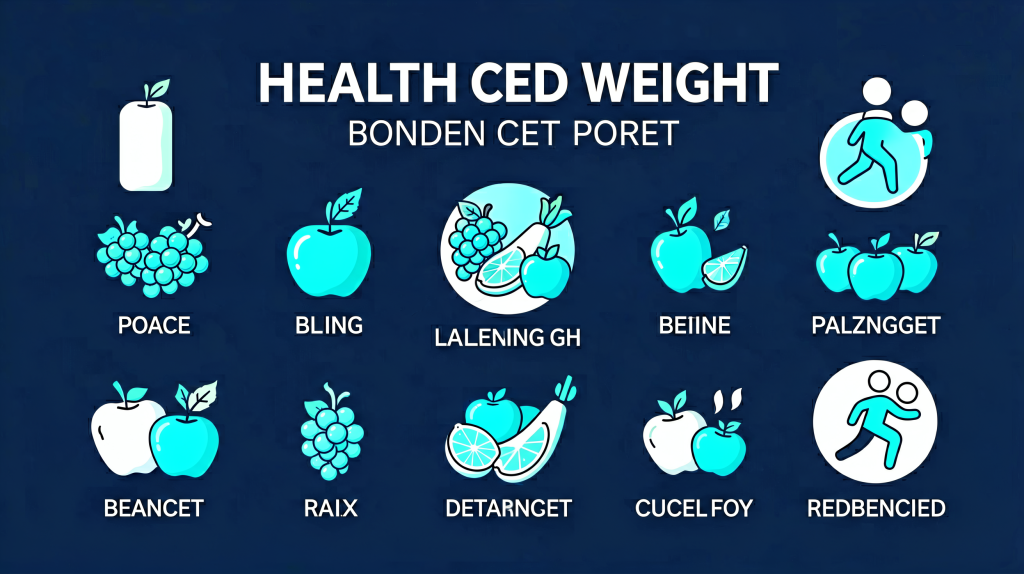
Focus on Nutrient-Dense Foods
- Fruits and vegetables (4-5 servings each daily)
- Whole grains instead of refined grains
- Lean proteins (fish, poultry, beans, nuts)
- Low-fat dairy for calcium and vitamin D
- Limited added sugars and saturated fats
Portion Control
- Use smaller plates to manage portions
- Eat slowly and savor each bite
- Stop eating when satisfied, not stuffed
- Plan meals ahead to avoid impulsive eating
Physical Activity
Combine exercise types for best results:
- Aerobic exercise: Walking, swimming, cycling (150 min/week)
- Strength training: Resistance exercises 2-3 times/week
- Balance activities: Tai chi, yoga to prevent falls
- Flexibility: Stretching daily
When to Seek Help
Consult a healthcare provider or dietitian if you:
- Have been unable to lose weight despite efforts
- Have specific dietary restrictions or medical conditions
- Experience eating disorder symptoms
- Need personalized nutrition guidance
Setting Realistic Weight Goals
Weight management in later life is about health, not appearance. Crash diets and rapid weight loss are dangerous for older adults — they can strip away muscle and bone along with fat.
- A realistic goal is losing 5 to 10 percent of body weight over six to twelve months, a loss that measurably improves blood pressure, blood sugar, and joint pain.
- Losing about one to two pounds per month is a safe, sustainable pace for most seniors.
- Focus on preserving muscle: combine modest calorie reduction with strength training so weight loss comes from fat, not lean tissue.
- Work with your doctor or a registered dietitian to set a target weight that fits your body frame, health conditions, and medications.
- Remember that weight naturally changes with age, and a small gain during recovery from illness is normal.
Instead of chasing a number on the scale, measure success by how you feel: more energy, better mobility, steadier blood sugar, and easier daily activities.
Healthy Meal Planning Made Simple
Eating well in later life does not require complicated recipes — it requires structure and balance. A simple plate method works for most meals.
- Fill half your plate with vegetables and fruit, one quarter with lean protein, and one quarter with whole grains or starchy vegetables.
- Include protein at every meal — eggs at breakfast, beans or chicken at lunch, fish or lean meat at dinner — to protect muscle mass.
- Choose high-fiber foods: oats, beans, whole-grain bread, and vegetables help with fullness and digestive health.
- Limit added sugars, sugary drinks, and heavily processed foods, which provide calories without nutrients.
- Cook once, eat twice: prepare larger portions and freeze single servings for days when cooking is difficult.
- If your appetite is poor, eat smaller meals more often and add nutrient-dense foods like nuts, avocado, and full-fat dairy.
Staying hydrated matters too — older adults often feel less thirsty, and mild dehydration is easily mistaken for hunger. Sip water throughout the day and include soups, fruits, and vegetables with high water content.
Tracking Progress and Staying Motivated
Long-term change is easier when you can see progress. But the scale tells only part of the story, and daily weigh-ins can be discouraging.
- Weigh yourself once a week, at the same time and under the same conditions, and record the number in a notebook or app.
- Track non-scale victories: looser clothing, easier stairs, lower blood sugar readings, or longer walks.
- Keep a simple food diary for a week or two — most people are surprised by where extra calories hide.
- Plan for plateaus, which are normal; when weight stalls, adjust portion sizes or increase activity rather than giving up.
- Enlist support: a walking partner, a family member who checks in, or a structured program like SilverSneakers provides accountability.
Reward yourself with non-food treats — a new book, a massage, or a day trip — for hitting milestones. Sustainable change comes from small habits repeated consistently, not from perfection.
When Weight Loss Is Concerning
Not all weight loss is good news. Unintentional weight loss in an older adult can signal an underlying problem and deserves a medical evaluation.
- Losing 5 percent of body weight within six to twelve months without trying is a reason to see a doctor.
- Unexplained weight loss can be caused by depression, thyroid disease, diabetes, digestive problems, medication side effects, or early dementia affecting appetite and shopping.
- Difficulty chewing or swallowing, dental problems, or loss of taste and smell can quietly reduce food intake.
- Social factors matter: loneliness, difficulty cooking, and tight budgets all affect nutrition. Meals on Wheels and community dining programs help.
- Severe unintended weight loss leads to frailty, falls, and slower recovery from illness.
If weight loss is deliberate, combine it with regular medical checkups to ensure you are losing fat, keeping muscle, and meeting your nutritional needs.
Key Takeaways
- Healthy weight reduces chronic disease risk in seniors
- Focus on nutrient-dense foods and portion control
- Combine exercise types for comprehensive benefits
- Professional guidance ensures safe, effective weight management
- Centers for Disease Control and Prevention
- World Health Organization
This article was adapted from the sources above and reviewed for accuracy by the SilverWell Hub editorial team. It is for informational purposes and is not a substitute for professional medical advice, diagnosis, or treatment.