
Why a healthy Weight Matters as You Age?
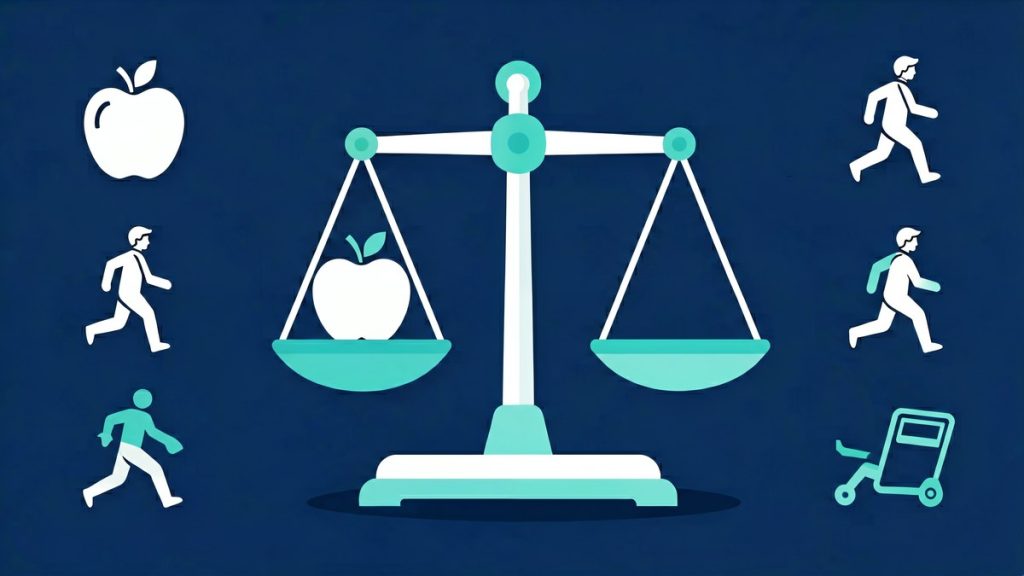
Understanding healthy weight seniors nutrition is important for seniors and their caregivers. managing your weight contributes to good health now and as you age. In contrast, obesity can lead to serious health problems including type 2 diabetes, high blood pressure, heart disease, and stroke. Healthy lifestyles include being mindful of calories, ensuring adequate nutrition, and being physically active. Other factors such as sleep, age, genes, and medications can also influence weight.
How Aging Changes Weight?
As people age, their body composition gradually shifts: the proportion of muscle decreases and the proportion of fat increases. This shift slows the metabolism, making it easier to gain weight. In addition, some people become less physically active as they get older, increasing the risk of weight gain. Diseases such as Cushing’s disease and polycystic ovary syndrome may lead to weight gain, and drugs such as steroids and some antidepressants may also cause weight gain. Your health care provider is the best person to ask whether illnesses or medications are contributing to weight gain.
📖 What Are Food and Nutrition Basics?
What Are Food and Nutrition Basics?
Counting calories all the time is not necessary, but it may help to know how many calories you need. You can calculate how many daily calories are needed to maintain your current weight based on your age, sex, height, weight, and physical activity level. Consuming a variety of healthy food is better than eliminating one type of food such as carbohydrates.
If you reduce the variety of foods you eat, you could exclude vital nutrients or not be able to stay on the eating plan over time. To learn how many calories you consume regularly, write down the foods and beverages you eat each day, check the nutrition facts label for serving sizes and calories, and consider portion size.
📖 What Is Physical Activity for Weight and Health?
What Is Physical Activity for Weight and Health?
Adults need 150 minutes of moderate-intensity aerobic physical activity each week, which can be 30 minutes a day, 5 days a week. As an alternative, adults could get 75 minutes of vigorous-intensity activity or an equivalent combination each week. Adults also need at least 2 days a week of muscle-strengthening activities. People who are physically active can still gain weight if they take in more calories than they use, so balance activity with calorie intake. It may help to keep track of your physical activity in a diary.
📖 What Is Sleep and Weight?
What Is Sleep and Weight?
Getting enough sleep can help you manage your body weight. Poor sleep affects hormones that control hunger and appetite, and tiredness can reduce physical activity. Aim for 7 to 9 hours of sleep per night, keep a regular sleep schedule, and talk to your doctor if you have trouble sleeping, which may be a sign of a condition such as sleep apnea.
📖 What Is Practical Steps for a Healthy Weight?
What Is Practical Steps for a Healthy Weight?
- Eat a variety of vegetables, fruits, whole grains, lean protein, and healthy fats.
- Replace sugary drinks with water, which has no calories.
- Watch portion sizes and use the nutrition facts label.
- Get 150 minutes of moderate activity weekly, including strength exercises twice a week.
- Keep a simple food and activity diary to stay aware.
- Even modest weight loss, such as 5% to 10% of your total body weight, can produce health benefits.
- Ask your doctor about illnesses or medicines that affect your weight.
📖 What Are Frequently Asked Questions?
What Are Frequently Asked Questions?
Q: Why is it easier to gain weight as I get older?
A: With age, muscle decreases and fat increases, which slows metabolism. Reduced activity and some medicines can also contribute to weight gain.
Q: How much physical activity do I need?
A: Adults need 150 minutes of moderate-intensity aerobic activity each week, plus muscle-strengthening activities at least 2 days a week.
Q: Do I need to count calories?
A: Not necessarily. Knowing roughly how many calories you need and tracking food for a short time can help you become more aware of portions and choices.
Q: How much weight loss makes a difference?
A: Even a modest weight loss of 5% to 10% of your total body weight can produce meaningful health benefits.
📖 What Are Key Takeaways?
What Are Key Takeaways?
- Obesity increases the risk of diabetes, high blood pressure, heart disease, and stroke.
- Aging slows metabolism, making weight gain easier.
- Eat a variety of foods and be mindful of calories and portions.
- Get 150 minutes of weekly activity plus 2 days of strength training.
- Even 5% to 10% weight loss brings health benefits.
- World Health Organization
This article was adapted from the sources above and reviewed for accuracy by the SilverWell Hub editorial team. It is for informational purposes and is not a substitute for professional medical advice, diagnosis, or treatment.