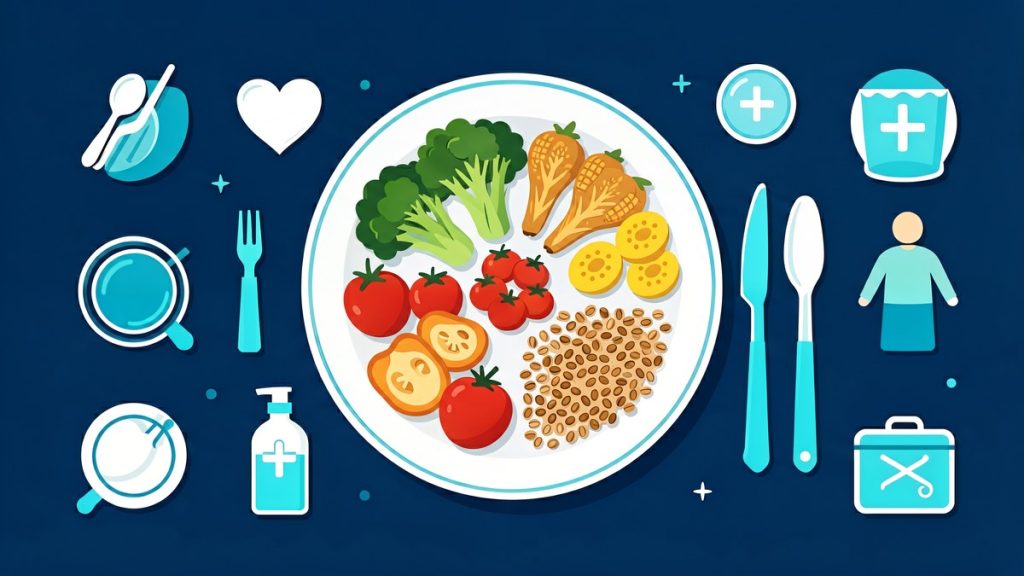

Why healthy Eating Matters for Seniors?
Understanding healthy eating seniors nutrition is important for seniors and their caregivers. good nutrition is essential for health at every age, and it becomes even more important as we get older. A healthy eating pattern may help you live longer, keeps skin, teeth, and eyes healthy, supports muscles, boosts immunity, and strengthens bones. It also lowers the risk of heart disease, type 2 diabetes, and some cancers, helps the digestive system function, and helps you achieve and maintain a healthy weight.
What Does Healthy Eating Look Like?
Healthy eating means focusing on whole, nutrient-dense foods. It emphasizes protein, dairy without added sugars, vegetables, fruits, healthy fats, and whole grains. Protein options include eggs, poultry, seafood, red meat, beans, peas, lentils, legumes, nuts, seeds, and soy. Most people in the United States need to eat more nutrient-dense foods while limiting highly processed foods, added sugars, added sodium, and refined carbohydrates.
📖 What Are Aim for a Variety of Colors?
What Are Aim for a Variety of Colors?
A good practice is to aim for a variety of colors on your plate. Fruits and vegetables like oranges, tomatoes, and dark leafy greens, and even fresh herbs, are loaded with vitamins, fiber, and minerals. To get variety, add fresh herbs to salads or meat dishes, make a red sauce with fresh tomatoes and herbs, add diced vegetables to stews and omelets, and top unsweetened yogurt with your favorite fruit.
📖 What Are Limit Added Sugars?
What Are Limit Added Sugars?
Too much added sugar can contribute to weight gain, obesity, type 2 diabetes, and heart disease. Added sugars include cane sugar, corn syrup, dextrose, fructose, table sugar, maple syrup, and honey. Sugary drinks are a common source. To limit added sugars, drink water instead of sugary drinks, add fruit to cereal or yogurt for sweetness, limit sugary snacks, skip flavored syrups at coffee shops, and read nutrition labels.
📖 What Is Cut Back on Sodium?
What Is Cut Back on Sodium?
Eating too much sodium can raise your risk of high blood pressure, heart attack, and stroke. More than 70% of the sodium Americans consume comes from packaged and prepared foods, and 90% of the sodium we consume is from salt. To cut back on sodium, avoid highly processed foods, read the Nutrition Facts label to find low-sodium options, and buy unprocessed food to prepare at home.
📖 What Is Bump Up Fiber?
What Is Bump Up Fiber?
Fiber helps maintain digestive health, helps you feel fuller longer, controls blood sugar, and lowers cholesterol levels. Fruits, vegetables, whole grains, legumes, nuts, and seeds are good sources of fiber. To bump up fiber, slice raw vegetables for quick snacks, start your day with a whole-grain cereal like oatmeal, top cereal with berries or almonds, add a half-cup of beans or lentils to a salad, and enjoy fresh fruit with a meal or as dessert.
📖 What Is Eating Well on a Budget?
What Is Eating Well on a Budget?
Healthy eating patterns can include foods and beverages that reflect personal p
Related Articles
- Healthy Eating Over 65: A Senior Nutrition Guide
- Painful Swallowing in Seniors: Diet and Eating Tips
- Dietary Guidelines for Seniors: Healthy Eating 2025-2030
- Carbohydrates in a Healthy Senior Diet: Complete Guide
references and budgetary considerations. Canned and frozen vegetables are nutritious and affordable options. Beans, lentils, and eggs are inexpensive protein sources. Buy unprocessed staples like whole grains in bulk, and plan meals around what is on sale. Frozen fruit is a budget-friendly way to add fiber and sweetness to yogurt or oatmeal.
📖 What Are the Best Everyday Meals Practical Tips?
What Are the Best Everyday Meals Practical Tips?
- Drink water throughout the day instead of sugary beverages.
- Include a protein source at every meal, such as eggs, beans, or lean poultry.
- Fill half your plate with vegetables and fruit at lunch and dinner.
- Choose whole grains like oats, brown rice, and whole-wheat bread.
- Use herbs and spices instead of salt to flavor food.
- Keep healthy snacks ready, such as cut vegetables, fruit, nuts, and yogurt.
📖 What Are Frequently Asked Questions?
What Are Frequently Asked Questions?
Q: Do I need to give up all my favorite foods?
A: No. Healthy eating is about consistently choosing healthy foods, not perfection. You can still enjoy treats in moderation as part of an overall healthy pattern.
Q: How much protein do I need as a senior?
A: Protein needs can increase with age to help maintain muscle. Include a protein source at each meal, such as eggs, beans, dairy, poultry, fish, nuts, or seeds.
Q: Are frozen and canned vegetables healthy?
A: Yes. Canned and frozen vegetables are nutritious and convenient options. Choose low-sodium versions when possible.
Q: Why is fiber important for older adults?
A: Fiber supports digestive health, helps control blood sugar, lowers cholesterol, and helps you feel full, which supports healthy weight management.
📖 What Are Key Takeaways?
What Are Key Takeaways?
- Healthy eating boosts immunity, strengthens bones, and lowers the risk of heart disease, diabetes, and some cancers.
- Focus on protein, vegetables, fruits, whole grains, and healthy fats.
- Limit added sugars, sodium, and highly processed foods.
- Eat a variety of colors to get vitamins, fiber, and minerals.
- Fiber supports digestion and heart health, so aim for whole grains, beans, fruits, and vegetables daily.
- World Health Organization
This article was adapted from the sources above and reviewed for accuracy by the SilverWell Hub editorial team. It is for informational purposes and is not a substitute for professional medical advice, diagnosis, or treatment.