
Understanding COPD
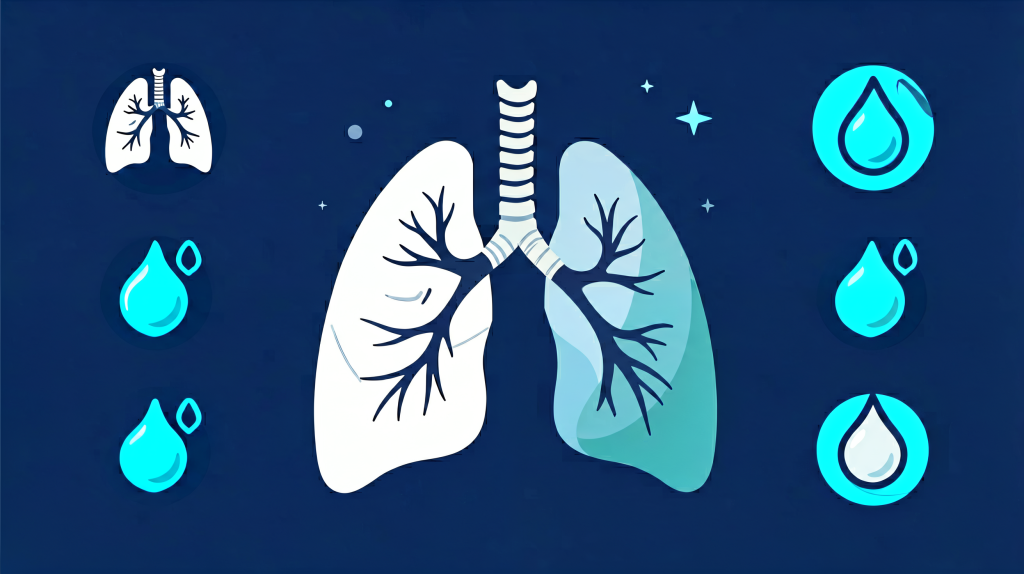
chronic obstructive pulmonary disease (COPD) is a group of lung diseases that block airflow and make breathing difficult. The CDC reports that COPD is the fourth leading cause of death in the United States, and prevalence increases significantly with age. Most cases are caused by long-term exposure to irritating gases or particulate matter, primarily from cigarette smoking.
Types of COPD
- Emphysema: Destruction of air sacs in lungs
- Chronic bronchitis: Inflammation of bronchial tubes
- Asthma-COPD overlap: Features of both conditions
Common Symptoms
- Shortness of breath, especially with activity
- Chronic cough with mucus
- Chest tightness
- Frequent respiratory infections
- Unintended weight loss (late stage)
Management Strategies
Medications
Lifestyle Changes
Oxygen Therapy
Supplemental oxygen may be needed for advanced COPD to maintain adequate oxygen levels.
Preventing Exacerbations
- Get vaccinated (flu, pneumonia, COVID-19)
- Avoid sick people when possible
- Take medications as prescribed
- Follow action plan developed with doctor
- Monitor symptoms and seek care early
Causes and Risk Factors of COPD
Understanding what causes COPD — and what increases the risk — helps with both prevention and management.
- Smoking: Tobacco smoke is by far the leading cause, responsible for about 75 percent of cases. Long-term exposure damages the airways and the air sacs of the lungs.
- Secondhand smoke and air pollution: Long-term exposure to indoor smoke from cooking fires, outdoor pollution, dust, and chemical fumes also contributes.
- Occupational exposures: Coal dust, silica, grain dust, and welding fumes raise risk, especially combined with smoking.
- Genetics: A rare inherited condition called alpha-1 antitrypsin deficiency causes early-onset COPD, even in nonsmokers.
- Asthma: Chronic asthma that is poorly controlled can contribute to fixed airway obstruction over time.
It is never too late to reduce further damage. Quitting smoking at any age slows the decline in lung function, and avoiding lung irritants protects the airways you still have.
Pulmonary Rehabilitation: Exercise That Helps You Breathe
Many people with COPD fear exercise because it makes them breathless — but the right exercise program actually reduces breathlessness over time. Pulmonary rehabilitation is a structured, supervised program that teaches exactly how.
- It combines supervised exercise, breathing techniques, and education about managing the disease.
- Exercise training — typically walking, cycling, and strength work — improves the efficiency of muscles so everyday activities require less oxygen.
- You learn pursed-lip breathing and diaphragmatic breathing, which slow the breath and keep airways open longer.
- Programs usually run two to three times a week for six to twelve weeks, and benefits last well beyond the program.
- Ask your doctor for a referral; pulmonary rehabilitation is covered by Medicare for people with COPD.
In addition to formal rehabilitation, keep moving in daily life: pacing activities, using a rolling cart for carrying things, and sitting while dressing are simple energy-saving strategies.
Nutrition and Breathing
Eating well with COPD takes planning. The work of breathing burns extra calories — up to ten times more than in healthy people — while appetite is often poor.
- Eat small, frequent meals — five to six per day — rather than three large ones, which press on the diaphragm and worsen breathlessness.
- Choose nutrient-dense foods: eggs, fish, lean meat, beans, dairy, nuts, and avocados provide protein and calories in compact portions.
- Eat the heaviest meal early in the day when energy is highest, and rest before eating.
- If you are underweight, add healthy fats and drink fluids between meals rather than with them, so you do not fill up on liquid.
- If you are overweight, focus on gentle portion control; carrying less weight reduces the oxygen demand on your body.
- Stay hydrated to keep airway mucus thin, but limit caffeine and alcohol, which can dehydrate and interfere with medications.
Ask your doctor about checking vitamin D levels — deficiency is common in COPD and is linked to more frequent flare-ups.
Oxygen Therapy and Advanced Management
As COPD progresses, low blood oxygen levels can develop. Oxygen therapy is a treatment — not a sign of giving up — and it is used to protect the heart and brain from oxygen starvation.
- Supplemental oxygen is prescribed when blood oxygen falls below a certain level at rest, during activity, or during sleep.
- Using oxygen as prescribed, usually at least 15 hours a day in advanced disease, improves survival, sleep quality, and the ability to be active.
- Portable oxygen concentrators allow full mobility — modern units weigh as little as five pounds and can last for hours on battery.
- Always follow fire safety rules around oxygen: no smoking nearby, and keep oxygen at least six feet from flames and heat sources.
- Talk with your care team about your goals of care and advanced directives, so that your wishes guide treatment decisions if your condition worsens.
COPD is a chronic disease, but it is manageable. With medication, rehabilitation, good nutrition, and oxygen when needed, many people maintain a good quality of life for many years.
Frequently Asked Questions About COPD
- Can COPD be cured? No, the lung damage is permanent. But treatment controls symptoms, slows progression, and prevents flare-ups.
- Is COPD the same as emphysema or chronic bronchitis? Emphysema and chronic bronchitis are the two main types of COPD; many people have features of both.
- Do inhalers help even if I do not feel wheezy? Yes. Maintenance inhalers reduce inflammation and keep airways open even when you feel stable, preventing long-term decline.
- Should I get a flu and pneumonia vaccine? Yes — respiratory infections are the most common trigger of serious COPD flare-ups, and both vaccines are strongly recommended.
- Can exercise make my breathing worse? Done correctly, no. Pulmonary rehabilitation improves breathlessness; only unguided overexertion causes problems.
Bring your questions to your pulmonologist — an informed patient manages COPD more successfully.
Key Takeaways
- COPD is a progressive lung disease affecting many seniors
- Smoking cessation is the most impactful intervention
- Medications and lifestyle changes improve quality of life
- Regular monitoring prevents serious exacerbations
- Centers for Disease Control and Prevention
This article was adapted from the sources above and reviewed for accuracy by the SilverWell Hub editorial team. It is for informational purposes and is not a substitute for professional medical advice, diagnosis, or treatment.