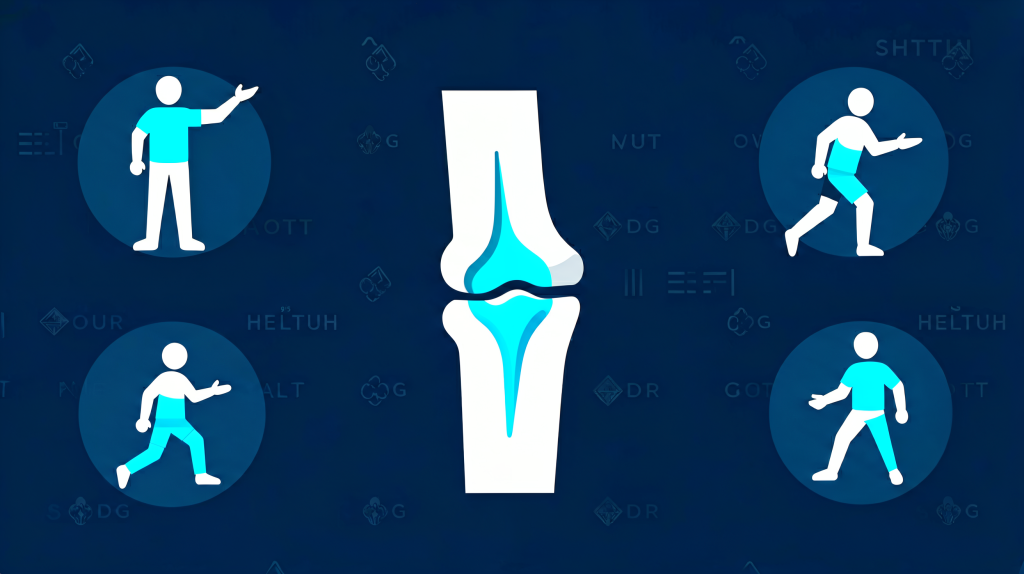

Why Exercise matters for arthritis
Moving regularly is one of the most important things people with arthritis can do for their joint health and overall well-being. The CDC emphasizes that exercise reduces pain, improves function, and helps maintain independence for seniors with arthritis.
Despite common misconceptions, exercise does not damage arthritic joints when done appropriately. In fact, inactivity can worsen symptoms by weakening supporting muscles and causing stiffness.
Benefits of Regular Exercise
- Reduces joint pain and stiffness
- Strengthens muscles around joints
- Improves flexibility and range of motion
- Helps maintain healthy weight
- Boosts energy and mood
- Improves sleep quality
- Reduces fatigue
Recommended Exercises
Aerobic Activities
Strength Training
-
LiLight weights or resistance bands
LiBodyweight exercises (squats, wall push-ups)
Li2-3 times per week, non-consecutive days
Range-of-Motion Exercises
-
LiGentle stretching daily
LiTai chi or yoga (modified as needed)
LiFocus on affected joints
Safety Guidelines
- Start slowly and progress gradually
LiChoose low-impact activities
LiStop if you experience sharp pain
LiExercise on soft surfaces when possible
LiWear supportive footwear
Working with Healthcare Providers
Consult your doctor or physical therapist before starting a new exercise program. They can recommend specific exercises based on your condition and help modify activities to accommodate limitations.
Types of Arthritis
Arthritis is not a single disease — the term covers more than 100 conditions that affect the joints. The two most common types have very different causes, and the right exercise approach depends on which one you have.
- Osteoarthritis: The “wear and tear” type, most common in older adults. The cushioning cartilage between bones breaks down, causing pain, stiffness, and swelling — most often in the knees, hips, hands, and spine.
- Rheumatoid arthritis: An autoimmune disease in which the immune system attacks the joint lining. It typically affects both sides of the body symmetrically — both hands, both knees — and causes warmth, swelling, and morning stiffness lasting more than an hour.
- Gout: Crystals form in a joint, most often the big toe, causing sudden, intense pain and swelling.
- Psoriatic arthritis: Joint inflammation linked to the skin condition psoriasis.
Exercise is beneficial for all types, but the specific program should be tailored to your diagnosis, joint involvement, and current symptoms — ideally with guidance from your rheumatologist or physical therapist.
Exercise Myths and Facts
Misconceptions about arthritis and exercise stop many people from being active. Here are the facts.
- Myth: Exercise wears out arthritic joints. Fact: Regular, appropriate exercise strengthens the muscles that support joints and reduces pain. The joint damage in osteoarthritis is driven by inflammation and genetics, not by normal movement.
- Myth: Rest is the best treatment. Fact: Rest during flare-ups is helpful, but prolonged inactivity leads to stiff, weak joints and more pain overall.
- Myth: Only high-intensity exercise helps. Fact: Gentle, consistent activity — walking, stretching, water exercise — delivers most of the benefit with the least risk.
- Myth: If it hurts, you should stop exercising completely. Fact: Some muscle soreness is normal. Sharp joint pain, however, is a signal to modify the activity — not necessarily stop it.
When in doubt, remember the principle: motion is lotion. Moving a joint nourishes it, and the muscles around it grow stronger with use.
Daily Activity Ideas That Protect Your Joints
Beyond formal exercise sessions, everyday activity can be arthritis-friendly. Small adjustments protect joints while keeping you active.
- Break exercise into 10-minute segments spread across the day — three short sessions are as effective as one long one and easier on joints.
- Walk on soft, even surfaces and wear supportive, cushioned shoes.
- Use assistive devices when needed: a cane in the hand opposite a painful hip or knee reduces joint load by up to 60 percent.
- Plan heavy tasks for the time of day when you feel best, and alternate activity with rest.
- Keep gardening and household tools within easy reach, and use long-handled tools to avoid bending and reaching.
- Apply heat (a warm shower or heating pad) before activity to loosen joints, and cold packs afterward to reduce swelling.
Adaptive tools — jar openers, ergonomic grips, and raised toilet seats — allow you to keep doing the activities you enjoy with less joint strain.
Managing Flare-Ups and Staying Consistent
Arthritis symptoms fluctuate, and knowing how to adjust your routine during a flare-up keeps you from abandoning exercise altogether.
- During a flare, reduce intensity and duration but try to keep moving gently — a short walk or water session maintains mobility.
- Choose the least painful activities during flares: swimming, chair exercises, or gentle stretching often remain possible when walking hurts.
- Use the “2-hour rule”: if joint pain is significantly worse two hours after exercise than before, you did too much — dial it back next time.
- Keep a simple symptom diary to identify patterns — weather, sleep, stress, and certain foods can influence symptoms.
- Celebrate consistency over intensity: exercising regularly, even gently, is what slows arthritis progression and preserves function.
Staying active with arthritis is a lifelong practice, not a short-term fix. The seniors who manage arthritis best are the ones who keep moving — wisely, consistently, and with support from their care team.
Key Takeaways
- Exercise is essential for managing arthritis symptoms
- Low-impact activities are safest for arthritic joints
- Consistency matters more than intensity
- Professional guidance ensures safe, effective exercise
- Centers for Disease Control and Prevention
- World Health Organization
This article was adapted from the sources above and reviewed for accuracy by the SilverWell Hub editorial team. It is for informational purposes and is not a substitute for professional medical advice, diagnosis, or treatment.