
What Are Considerations?
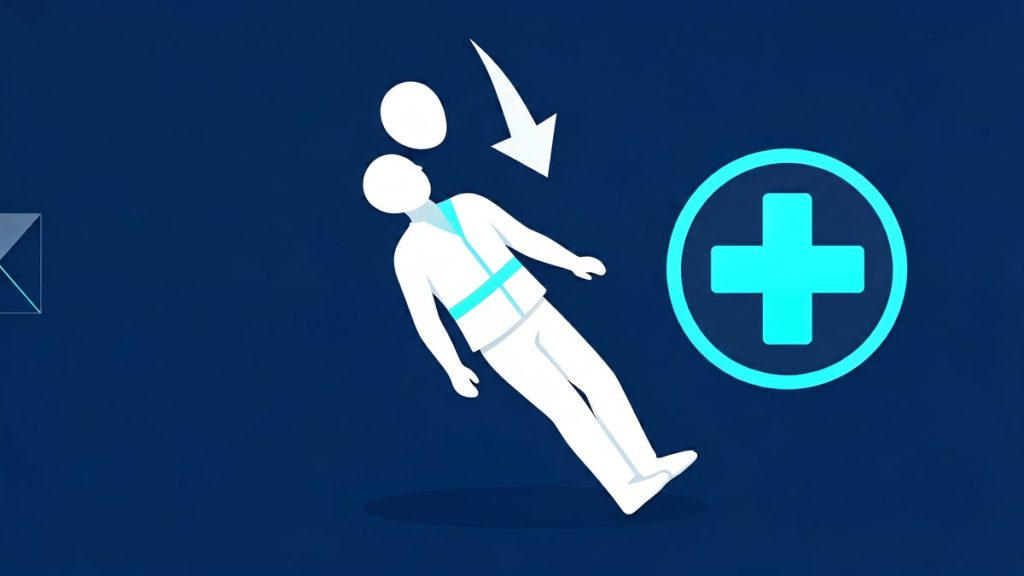
Understanding fainting seniors causes fall prevention is important for seniors and their caregivers. when you faint, you not only lose consciousness , you also lose muscle tone and the color in your face. Before fainting, you may feel weak, sweaty, or nauseated. You may have the sense that your vision is constricting (tunnel vision) or noises are fading into the background.
What Are the Common Causes and Risk Factors?
Fainting may occur while or after you:
- Cough very hard
- Have a bowel movement, especially if you are straining
- Have been standing in one place for too long
- Urinate, especially at night or after lying down for a prolonged period
Fainting can also be related to:
- Emotional distress
- Fear
- Severe pain
Other causes of fainting, some of which may be more serious, include:
- Certain medicines, including those used for anxiety, depression , and high blood pressure. These medicines may cause a drop in blood pressure.
- Drug or alcohol use.
- Heart disease, such as abnormal heart rhythm, heart attack, or stroke.
- Rapid and deep breathing ( hyperventilation ).
- Low blood sugar (hypoglycemia).
- Seizures
. - Sudden drop in blood pressure, such as from bleeding or being severely dehydrated .
- Standing up suddenly from a lying position.
Home Care
If you have a history of fainting, follow your health care provider’s instructions for how to prevent fainting. For example, if you know the situations that cause you to faint, avoid or change them.
Get up from a lying or seated position slowly. If having blood drawn makes you faint, tell your provider before having a blood test. Make sure that you are lying down when the test is done.
You can use these immediate treatment steps when someone has fainted:
- Check the person’s airway and breathing. If necessary, call 911 or the local emergency number and begin rescue breathing and CPR .
- Loosen tight clothing around the neck.
- Raise the person’s feet above the level of their heart (about 12 inches or 30 centimeters).
- If the person has vomited, turn them on their side to prevent choking.
- Keep the person lying down for at least 10 to 15 minutes, preferably in a cool and quiet space. If this is not possible, sit the person forward with their head between their knees.
When to Contact a Medical Professional?
Call 911 or the local emergency number if the person who fainted:
- Fell from a height, especially if injured or bleeding
- Does not become alert quickly (within a couple of minutes)
- Is pregnant
- Is over age 50
- Has diabetes (check for medical identification bracelets)
- Feels chest pain, pressure, or discomfort
- Has a pounding or irregular heartbeat
- Has a loss of speech, vision problems, or is unable to move one or more limbs
- Has convulsions, a tongue injury, or a loss of bladder or bowel control
Even if it is not an emergency situation, you should be seen by your provider if you have never fainted before, if you faint often, or if you have new symptoms with fainting. Contact your provider for an appointment as soon as possible.
What to Expect at Your Office Visit?
Your provider will ask questions to determine whether you simply fainted, or if something else happened (such as a seizure or heart rhythm disturbance), and to figure out the cause of the fainting episode. If someone saw the fainting episode, their description of the event may be helpful.
The physical exam will focus on your heart, lungs, and nervous system. Your blood pressure may be checked while you are in different positions, such as lying down and standing. People with a suspected arrhythmia may need to be admitted to a hospital for testing.
Tests that may be ordered include:
- Blood tests for anemia or body chemical imbalances
- Cardiac rate and rhythm monitoring ( cardiac event monitor )
- Echocardiogram
- Electrocardiogram (ECG)
- Electroencephalogram (EEG)
- X-ray of the chest
Treatment depends on the cause of fainting.
Passed out; Lightheadedness – fainting; Syncope
Calkins H, Everett TH, Chen P-S. Hypotension and syncope. In: Libby P, Bonow RO, Mann DL,
Tomaselli GF, Bhatt DL, Solomon SD, eds.
Braunwald’s Heart Disease: A Textbook of Cardiovascular Medicine.
12th ed. Philadelphia, PA: Elsevier; 2022:chap 71.
Olgin JE. Approach to the patient with suspected arrhythmia. In: Goldman L, Cooney KA, eds.
Goldman-Cecil Medicine . 27th ed. Philadelphia, PA: Elsevier; 2024:chap 49.
Probst M. Syncope. In: Walls RM, ed.
Rosen’s Emergency Medicine: Concepts and Clinical
Practice.
10th ed. Philadelphia, PA: Elsevier; 2023:chap 11.
Winkel D, Cassimatis D. Episodic impairment of consciousness. In: Jankovic J, Mazziotta
JC, Pomeroy SL, Newman NJ, eds.
Bradley and Daroff’s Neurology in Clinical Practice.
8th ed. Philadelphia, PA: Elsevier; 2022:chap 2.
Updated by: Jacob Berman, MD, MPH, Clinical Assistant Professor of Medicine, Division of General Internal Medicine, University of Washington School of Medicine, Seattle, WA. Also reviewed by David C. Dugdale, MD, Medical Director, Brenda Conaway, Editorial Director, and the A.D.A.M. Editorial team.
- World Health Organization
This article was adapted from the sources above and reviewed for accuracy by the SilverWell Hub editorial team. It is for informational purposes and is not a substitute for professional medical advice, diagnosis, or treatment.