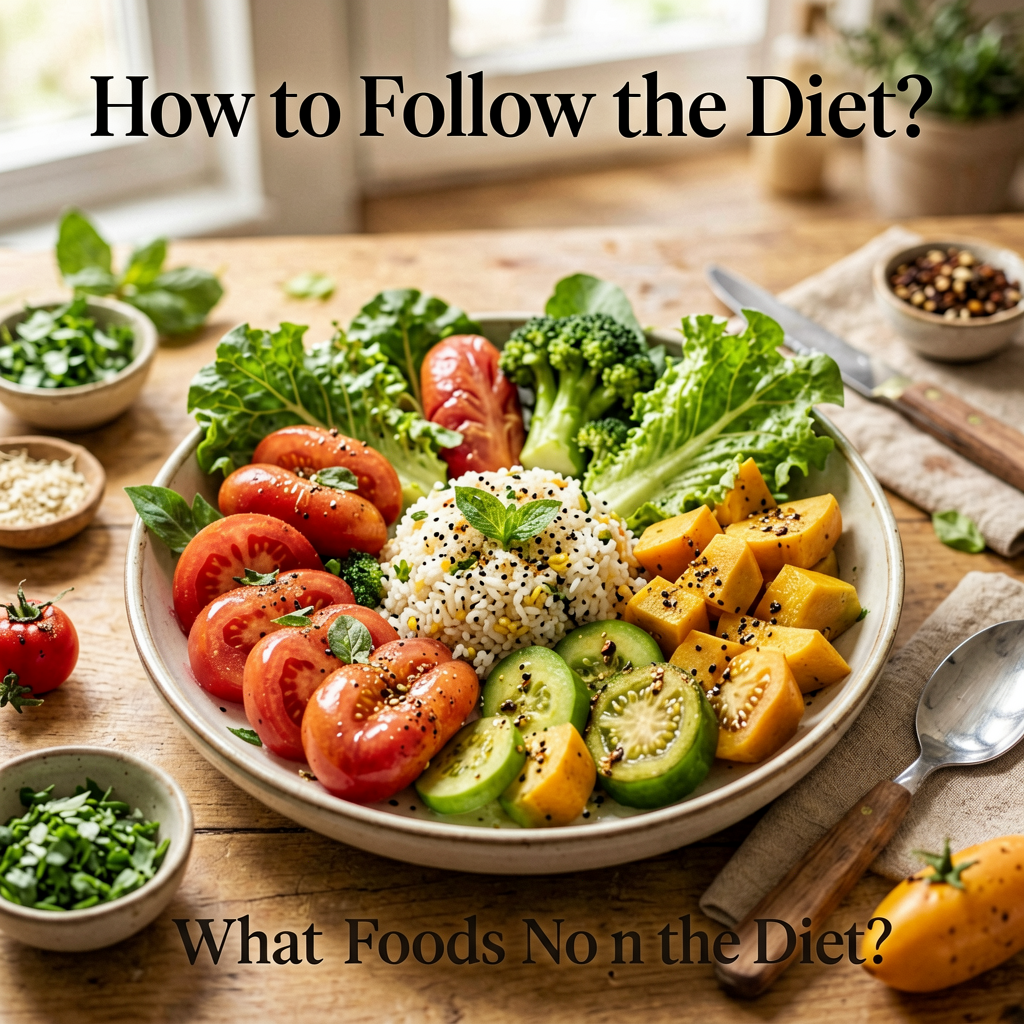

The Mediterranean-style diet has fewer meats and carbohydrates than a typical American diet. It also has more plant-based foods and monounsaturated (good) fat . People who live in Italy, Spain, and other countries in the Mediterranean region have eaten this way for centuries.
Following the Mediterranean diet may lead to more stable blood sugar, lower cholesterol and triglycerides, and a lower risk for heart disease and other health problems.
How to Follow the Diet?
The Mediterranean diet is based on:
- Plant-based meals, with just small amounts of lean meat and chicken
- More servings of whole grains, fresh fruits and vegetables, nuts, and legumes
- Foods that naturally contain high amounts of fiber
- Plenty of fish and other seafood
- Olive oil as the main source of fat for preparing food. Olive oil is a healthy, monounsaturated fat
- Food that is prepared and seasoned simply, without sauces and gravies
What Is Foods Not in the Diet?
Foods that are eaten in small amounts or not at all in the Mediterranean diet include:
- Red meats
- Sweets and other desserts
- Eggs
- Butter
What Are Possible Health Concerns?
There may be health concerns with this eating style for some people, including:
- You may gain weight from eating fats in olive oil and nuts.
- You may have lower levels of iron. If you choose to follow the Mediterranean diet, be sure to eat some foods rich in iron or in vitamin C, which helps your body absorb iron.
- You may have calcium loss from eating fewer dairy products. Ask your health care provider if you should take a calcium supplement.
- Wine is a common part of a Mediterranean eating style but some people should not drink alcohol. Avoid wine if you are prone to alcohol overuse, pregnant, at risk for breast cancer, or have other conditions that alcohol could make worse.
Arnett DK, Blumenthal RS, Albert MA, Buroker AB, et al. 2019 ACC/AHA guideline on the primary prevention of cardiovascular disease: a report of the American College of Cardiology/American Heart Association Task Force on Clinical Practice Guidelines.
Circulation . 2019;140(11):e596-e646. PMID: 30879355 pubmed.ncbi.nlm.nih.gov/30879355/ .
Bakris GL, Sorrentino MJ. Systemic hypertension: mechanisms, diagnosis, and treatment. In: Libby P, Bonow RO, Mann DL, Tomaselli GF, Bhatt DL, Solomon SD, eds.
Braunwald’s Heart Disease: A Textbook of Cardiovascular Medicine . 12th ed. Philadelphia, PA: Elsevier; 2022:chap 26.
Prescott E. Lifestyle interventions. In: de Lemos JA, Omland T, eds.
Chronic Coronary Artery Disease: A Companion to Braunwald’s Heart Disease . Philadelphia, PA: Elsevier; 2018:chap 18.
Read More
- Angina
- Angioplasty and stent placement – carotid artery
- Cardiac ablation procedures
- Carotid artery surgery – open
- Coronary heart disease
- Heart bypass surgery
- Heart bypass surgery – minimally invasive
- Heart failure
- Heart pacemaker
- High blood cholesterol levels
- High blood pressure in adults – hypertension
- Implantable cardioverter-defibrillator
- Peripheral artery disease – legs
What Are Patient Instructions?
Frequently Asked Questions
Key Takeaways
Foods that are eaten in small amounts or not at all in the Mediterranean diet include:
There may be health concerns with this eating style for some people, including:
Updated by: Stefania Manetti, RD/N, CDCES, RYT200, My Vita Sana LLC – Nourish and heal through food, San Jose, CA. To use the sharing features on this page, please enable JavaScript. The Mediterranean-style diet has fewer meats and carbohydrates than a typical American diet.
How to Follow the Diet?
Plant-based meals, with just small amounts of lean meat and chicken More servings of whole grains, fresh fruits and vegetables, nuts, and legumes Foods that naturally contain high amounts of fiber Plenty of fish and other seafood Olive oil as the main source of fat for preparing food. Olive oil is a healthy, monounsaturated fat Food that is prepared and seasoned simply, without sauces and gravies
What Is Foods Not in the Diet?
Red meats Sweets and other desserts Eggs Butter
What Are Possible Health Concerns?
You may gain weight from eating fats in olive oil and nuts. You may have lower levels of iron. If you choose to follow the Mediterranean diet, be sure to eat some foods rich in iron or in vitamin C, which helps your body absorb iron.
Read More
- Angina – discharge
- Angioplasty and stent – heart – discharge
- Aspirin and heart disease
- Being active when you have heart disease
- Butter, margarine, and cooking oils
- Cardiac catheterization – discharge
- Cholesterol and lifestyle
- Cholesterol – drug treatment
- Controlling your high blood pressure
- Dietary fats explained
- Fast food tips
- Heart attack – discharge
- Heart bypass surgery – discharge
- Heart bypass surgery – minimally invasive – discharge
- Heart disease – risk factors
- Heart failure – discharge
- How to read food labels
- Low-salt diet
- Managing your blood sugar
- Stroke – discharge
Updated by: Stefania Manetti, RD/N, CDCES, RYT200, My Vita Sana LLC – Nourish and heal through food, San Jose, CA. Review provided by VeriMed Healthcare Network. Also reviewed by David C. Dugdale, MD, Medical Director, Brenda Conaway, Editorial Director, and the A.D.A.M. Editorial team.
- Diets
- How to Lower Cholesterol with Diet
Browse the Encyclopedia
About the Author: This article was researched and written by the SilverWell Hub editorial team. It was reviewed by the SilverWell Hub editorial team.
Sources: This article is adapted from MedlinePlus, a service of the National Library of Medicine.
Disclaimer: This information is for educational purposes only. See our full Medical Disclaimer.
Published: July 16, 2026