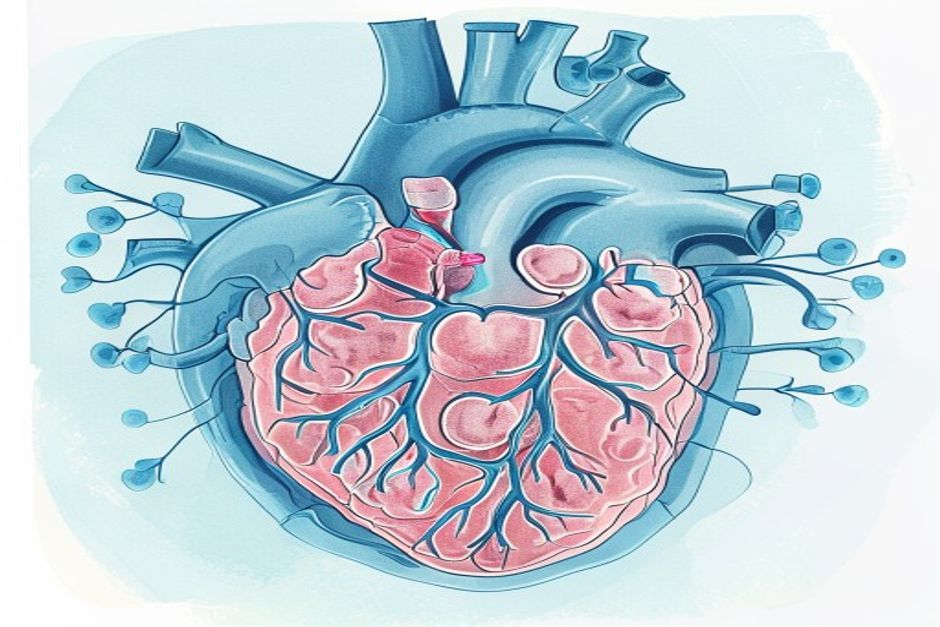

Understanding hereditary Amyloidosis
Hereditary amyloidosis (also called familial amyloidosis) is a rare genetic condition passed down through families. In this condition, abnormal proteins called amyloid build up in tissues throughout the body. These protein deposits most commonly affect the heart, kidneys, and nervous system, where they can cause serious damage over time.
If you or a loved one has been diagnosed with hereditary amyloidosis, it is important to understand what this means and how it can be managed. This article explains the causes, symptoms, and treatments in plain language for seniors and their caregivers.
What Is Amyloid and Why Does It Build Up?
Amyloid is an abnormal protein that your body produces when certain genes are not working properly. Normally, proteins in the body are made, used, and broken down in a controlled way. In hereditary amyloidosis, a genetic mutation causes a protein called transthyretin (TTR) to misfold and clump together. These clumps — the amyloid deposits — build up in organs and interfere with their normal function.
Think of it like this: imagine your body’s cells are a factory that normally produces well-folded, useful proteins. In hereditary amyloidosis, the factory’s instructions (the genes) have a typo, so it starts producing misfolded proteins that stick together like clumps of glue. Over time, these clumps accumulate and gum up the works in vital organs.
How Hereditary Amyloidosis Differs From Other Types
There are several types of amyloidosis, and it is important to know the difference:
- Hereditary (familial) amyloidosis — Caused by an inherited gene mutation. Passed from parent to child.
- Primary amyloidosis (AL) — Not inherited. Occurs when bone marrow produces abnormal antibodies that form amyloid.
- Secondary amyloidosis (AA) — Results from chronic inflammatory diseases such as rheumatoid arthritis or infections.
- Senile systemic amyloidosis — Seen in people over age 70, caused by normal aging changes in the TTR protein.
For seniors, it is especially important to distinguish hereditary amyloidosis from senile systemic amyloidosis, as they affect similar organs but have different genetic causes and treatment approaches.
Who Is at Risk?
Hereditary amyloidosis is autosomal dominant, meaning you only need to inherit the faulty gene from one parent to be at risk. If a parent has the condition, each child has a 50% chance of inheriting it. However, not everyone who carries the gene develops symptoms, and the age at which symptoms appear can vary widely — from a person’s 30s to their 70s.
Certain populations have higher rates of specific mutations. For example, a common TTR mutation (V122I) is found in about 3-4% of African Americans and is a significant cause of heart failure in this population. Another mutation (V30M) is more common in people from Portugal, Sweden, and Japan.
Signs and Symptoms to Watch For
The symptoms of hereditary amyloidosis depend on which organs are affected. Common warning signs include:
- Heart problems: Shortness of breath, swelling in the legs and ankles (edema), irregular heartbeat, fatigue, and chest discomfort. The heart muscle becomes stiff and cannot pump blood effectively — a condition called cardiac amyloidosis or “stiff heart syndrome.”
- Nerve problems: Numbness, tingling, or pain in the hands and feet (peripheral neuropathy). Some people develop carpal tunnel syndrome years before other symptoms appear. Autonomic nerve damage can cause dizziness upon standing, digestive problems, and bladder control issues.
- Kidney problems: Swelling in the legs, foamy urine (protein in the urine), and eventually kidney failure requiring dialysis.
- Other symptoms: Unexplained weight loss, feeling full quickly after eating, diarrhea or constipation, and an enlarged tongue.
If you have any of these symptoms — especially if you have a family history of amyloidosis — talk to your doctor about getting tested.
How Is Hereditary Amyloidosis Diagnosed?
Diagnosing hereditary amyloidosis can be challenging because its symptoms mimic other common conditions, especially in older adults. Your doctor may use several approaches:
- Physical exam and medical history, including asking about family history of heart disease, nerve problems, or amyloidosis
- Blood and urine tests to check for abnormal proteins
- Genetic testing to look for mutations in the TTR gene
- Tissue biopsy — taking a small sample of tissue (often from fat, nerve, or heart) and staining it to look for amyloid deposits. When stained with Congo red, amyloid appears apple-green under polarized light.
- Imaging tests such as echocardiogram, cardiac MRI, or nuclear imaging (technetium pyrophosphate scan) to detect amyloid in the heart
Early diagnosis is crucial because treatment is most effective before significant organ damage has occurred.
Treatment Options for Hereditary Amyloidosis
While there is no cure for hereditary amyloidosis, several treatments can slow the progression of the disease and improve quality of life:
Medications
Tafamidis (Vyndamax, Vyndaqel) is a medication that stabilizes the TTR protein and prevents it from misfolding. It has been shown to reduce hospitalizations and improve survival in people with cardiac amyloidosis. Other medications being used include patisiran (Onpattro) and vutrisiran (Amvuttra), which are RNA-targeting therapies that reduce the production of the abnormal TTR protein.
Liver Transplant
Since most of the abnormal TTR protein is produced in the liver, a liver transplant can significantly reduce the production of harmful amyloid proteins. Liver transplantation has been used successfully, especially in younger patients with certain mutations. In some cases, a combined liver and heart transplant may be recommended.
Managing Symptoms and Complications
Treatment also focuses on managing the effects of organ damage:
- Heart failure management: Diuretics (water pills) to reduce swelling, careful use of blood pressure medications, and monitoring for irregular heart rhythms
- Nerve pain management: Medications for neuropathy, physical therapy to maintain strength and balance, and occupational therapy for daily activities
- Kidney support: Dietary changes, medications to control blood pressure and protein loss, and dialysis if kidney function declines
- Nutritional support: Working with a dietitian to manage weight loss and digestive symptoms
Living Well With Hereditary Amyloidosis: Tips for Seniors
Managing a chronic condition like hereditary amyloidosis requires a comprehensive approach. Here are practical tips for seniors and their caregivers:
- Build a healthcare team: Work with specialists including a cardiologist, neurologist, nephrologist (kidney specialist), and a genetic counselor. A multidisciplinary approach ensures all aspects of your health are addressed.
- Track your symptoms: Keep a simple daily log of your weight, swelling, energy levels, and any new symptoms. Share this with your doctor at each visit.
- Weigh yourself daily: Rapid weight gain can be a sign of fluid retention from heart or kidney problems. Notify your doctor if you gain 2-3 pounds in a day or 5 pounds in a week.
- Stay as active as you can: Gentle exercise like walking, stretching, or chair exercises can help maintain muscle strength and circulation. Always check with your doctor before starting a new exercise program.
- Eat a heart-healthy diet: Limit salt (sodium) to help control swelling and blood pressure. Eat plenty of vegetables, fruits, whole grains, and lean proteins.
- Manage medications carefully: Use a pill organizer or medication reminder system. Keep an updated list of all medications and supplements, and review it with your doctor at every visit.
- Connect with support: Join the Amyloidosis Support Groups or the Hereditary Amyloidosis Network for connection with others facing similar challenges. Support from family, friends, and community can make a significant difference.
- Plan ahead: Discuss your condition with family members who may also be at risk. Genetic counseling can help family members understand their own risk and make informed decisions.
When to Call Your Doctor
Contact your healthcare provider if you experience:
- New or worsening shortness of breath
- Sudden weight gain (2-3 pounds overnight or 5 pounds in a week)
- Increased swelling in your legs or abdomen
- Dizziness or fainting spells
- Chest pain or pressure
- Changes in your heartbeat (racing, skipping, or fluttering)
- Numbness or weakness that is getting worse
- Difficulty urinating or changes in urine output
Questions to Ask Your Doctor
When visiting your healthcare provider, consider asking these questions:
- What type of amyloidosis do I have, and which organs are affected?
- Should I have genetic testing, and should my family members be tested?
- What treatments are available for my specific condition?
- What lifestyle changes can help me manage my symptoms?
- What symptoms should I watch for that might indicate the disease is progressing?
- Are there any clinical trials I might be eligible for?
- How often should I have follow-up appointments and tests?
Summary
Hereditary amyloidosis is a serious but manageable condition. With early diagnosis, modern treatments, and a comprehensive care plan, many people with this condition can maintain a good quality of life for many years. If you or a family member has been diagnosed, work closely with your healthcare team, stay informed about new treatment options, and don’t hesitate to seek support from patient organizations and loved ones.
Medical Disclaimer: This article is for informational purposes only and does not constitute medical advice. Always consult a qualified healthcare provider for diagnosis and treatment of any medical condition.
- World Health Organization
This article was adapted from the sources above and reviewed for accuracy by the SilverWell Hub editorial team. It is for informational purposes and is not a substitute for professional medical advice, diagnosis, or treatment.