
Subacute thyroiditis is an immune reaction against the thyroid gland that often follows an upper respiratory infection.
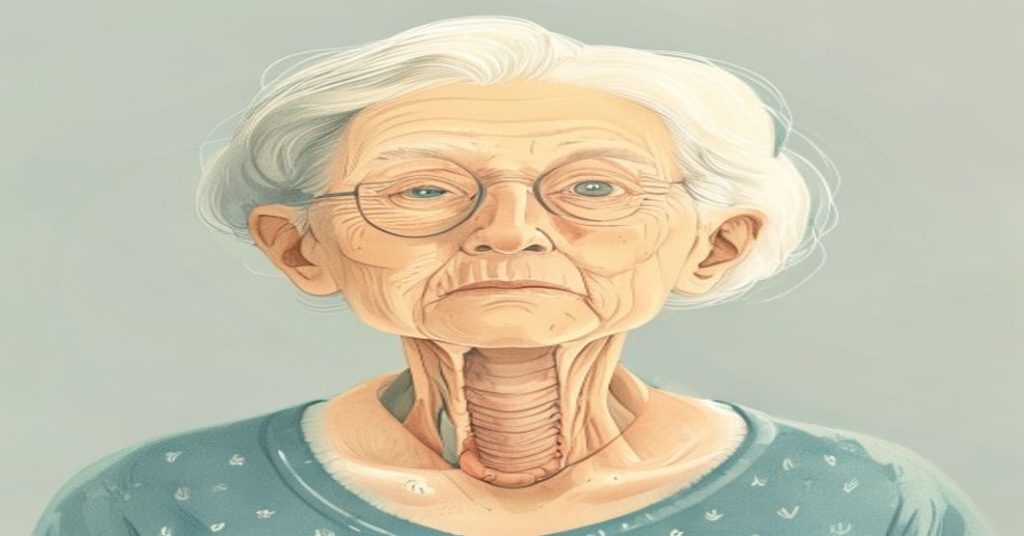
The thyroid gland is located in the neck, just above where your collarbones meet in the middle.
What Are the Common Causes and Risk Factors?
Subacute thyroiditis is an uncommon condition. It is thought to be the result of a viral infection. The condition often occurs a few weeks after a viral infection of the ear, sinus, or throat, such as mumps , the flu , or a common cold .
Subacute thyroiditis occurs most often in middle-aged women with symptoms of a viral upper respiratory tract infection in the past month.
What Are the Symptoms and Warning Signs?
The most obvious symptom of subacute thyroiditis is pain in the neck caused by a swollen and inflamed thyroid gland. Sometimes, the pain can spread (radiate) to the jaw or ears. The thyroid gland may be painful and swollen for weeks or, in rare cases, months.
Other symptoms include:
- Tenderness when gentle pressure is applied to the thyroid gland
- Difficulty or painful swallowing , hoarseness
- Fatigue
, feeling weak - Fever
The inflamed thyroid gland may release too much thyroid hormone, causing symptoms of hyperthyroidism , including:
- Fatigue, feeling weak
- Frequent bowel movements
- Heat intolerance
- Increased appetite
- Increased sweating
- Irregular menstrual periods
- Mood changes, such as irritability
- Muscle cramps
- Nervousness, restlessness
- Palpitations
- Weight loss
As the thyroid gland heals, it may release too little hormone, causing symptoms of hypothyroidism , including:
- Cold intolerance
- Constipation
- Difficulty concentrating or thinking
- Dry skin
- Fatigue
- Hair loss
- Irregular (or heavy) menstrual periods in women
- Mood changes
- Weight gain
Thyroid gland function often returns to normal over a few months. During this time you may need treatment for your underactive thyroid. In rare cases, hypothyroidism may be permanent.
📖 What Are Exams and Tests?
What Are Exams and Tests?
Lab tests that may be done include:
- Thyroid stimulating hormone
(TSH) level - Free T4 (thyroxine) and T3 (triiodothyronine) level
- Radioactive iodine uptake
- Thyroglobulin level
- Erythrocyte sedimentation rate
(ESR) - C-reactive protein
(CRP) - Thyroid ultrasound
📖 How Is It Treated?
How Is It Treated?
The goal of treatment is to reduce pain and treat hyperthyroidism, if it occurs. Medicines such as aspirin or ibuprofen are used to control pain in mild cases.
More serious cases may need short-term treatment with medicines that reduce swelling and inflammation, such as prednisone. Symptoms of an overactive thyroid are treated with a class of medicines called beta-blockers.
If the thyroid becomes underactive during the recovery phase, thyroid hormone replacement may be needed.
📖 What Is Outlook (Prognosis)?
What Is Outlook (Prognosis)?
The condition should improve on its own. But the illness may last for months. Long-term or severe complications do not often occur.
The condition is not infectious. People cannot catch it from you. It is not inherited within families like some thyroid conditions.
📖 When to Contact a Medical Professional?
When to Contact a Medical Professional?
Contact your health care provider if:
- You have symptoms of this disorder.
- You have thyroiditis and symptoms do not improve with treatment.
De Quervain’s thyroiditis; Subacute nonsuppurative thyroiditis; Giant cell thyroiditis; Subacute granulomatous thyroiditis; Hyperthyroidism – subacute thyroiditis
-
 Endocrine glands
 -
 Thyroid gland
 Endocrine glands
 Thyroid gland
Akamizu T, Jonklaas J. Hypothyroidism and thyroiditis. In: Melmed S, Auchus RJ, Goldfine AB, Rosen CJ, Kopp PA, eds.
Williams Textbook of Endocrinology . 15th ed. Philadelphia, PA: Elsevier; 2025:chap 11.
Hollenberg A, Wiersinga W, Bartalena L, Feldt-Rasmussen U. Hyperthyroid disorders. In: Melmed S, Auchus RJ, Goldfine AB, Rosen CJ, Kopp PA, eds.
Williams Textbook of Endocrinology . 15th ed. Philadelphia, PA: Elsevier; 2025:chap 10.
Pearce EN, Hollenberg AN. Thyroid. In: Goldman L, Cooney KA, eds.
Goldman-Cecil Medicine . 27th ed. Philadelphia, PA: Elsevier; 2024:chap 207.
Smith JR, Wassner AJ. Thyroiditis. In: Kliegman RM, St. Geme JW, Blum NJ, et al, eds.
Nelson Textbook of Pediatrics . 22nd ed. Philadelphia, PA: Elsevier; 2025:chap 604.
Updated by: Sandeep K. Dhaliwal, MD, board-certified in Diabetes, Endocrinology, and Metabolism, Springfield, VA. Also reviewed by David C. Dugdale, MD, Medical Director, Brenda Conaway, Editorial Director, and the A.D.A.M. Editorial team.
- Hyperthyroidism
- Hypothyroidism
- Thyroid Diseases
- Viral Infections
Frequently Asked Questions
Key Takeaways
The goal of treatment is to reduce pain and treat hyperthyroidism, if it occurs.
What Are the Common Causes and Risk Factors?
What Are the Symptoms and Warning Signs?
What Are Exams and Tests?
Thyroid stimulating hormone (TSH) level Free T4 (thyroxine) and T3 (triiodothyronine) level Radioactive iodine uptake Thyroglobulin level Erythrocyte sedimentation rate (ESR) C-reactive protein (CRP) Thyroid ultrasound 📖 How Is It Treated?
How Is It Treated?
About the Author: This article was researched and written by the SilverWell Hub editorial team. It was reviewed by the SilverWell Hub editorial team.
Sources: This article is adapted from MedlinePlus, a service of the National Library of Medicine.
Disclaimer: This information is for educational purposes only. See our full Medical Disclaimer.
Published: July 28, 2026