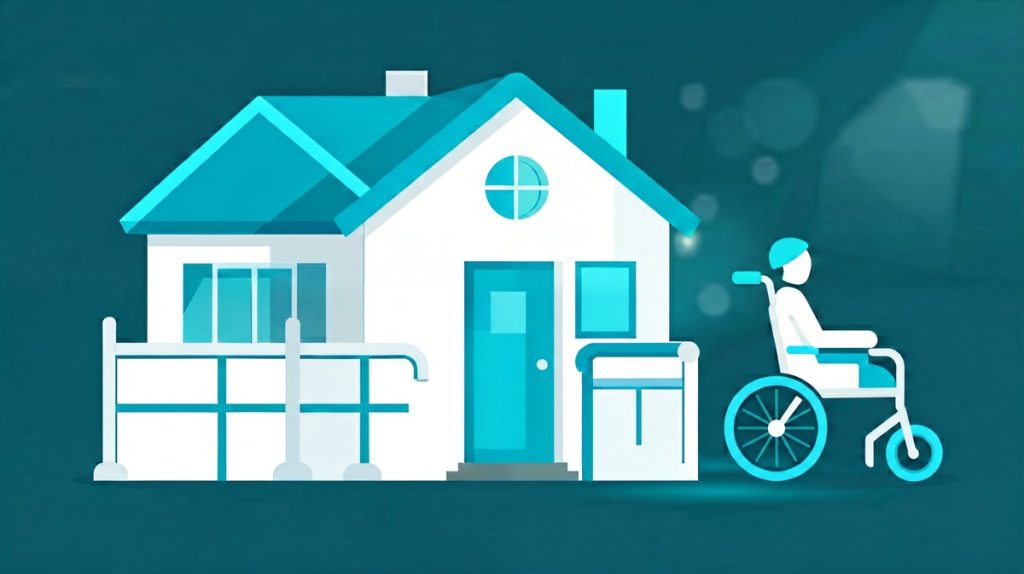

Understanding aging in place home is important for seniors and their caregivers. aging in place means living safely, independently, and comfortably in your own home as you grow older. For many older adults, staying in a familiar home preserves independence, dignity, and emotional well-being. Yet as we age, the risk of accidents inside the home rises.
More than one in four adults age 65 and older falls each year, and falls are a leading cause of injury, hip fractures, and hospitalization among older Americans. The good news is that most home hazards are simple to fix. A thoughtful room-by-room safety review, paired with small modifications, can dramatically lower your risk of falls, burns, and other injuries and help you enjoy your home safely for years to come.
What Are Key Takeaways?
- More than 1 in 4 older adults falls every year, and falls are the leading cause of fatal and nonfatal injuries among adults 65 and older.
- Most falls happen inside the home in everyday living areas such as bedrooms, bathrooms, and stairs.
- Simple fixes like removing throw rugs, installing grab bars, and improving lighting prevent most falls.
- Three million older adults are treated in emergency departments for fall injuries every year.
- Vision, medication, and balance problems all raise fall risk and should be managed with a healthcare provider.
- Regular strength and balance exercise, such as Tai Chi, meaningfully lowers the chance of a serious fall.
Why Home Safety Matters as We Age?
Every second of every day an older adult falls. Each year more than one in four older adults reports a fall, and about 41,000 older adults die as a result—roughly 112 older adults every day. Even a fall that does not cause serious injury can shake confidence, lead to fear of falling, and reduce activity and independence.
Hip fractures and traumatic brain injuries from falls are especially common and serious. Because most falls occur in familiar living spaces where people feel safest, making the home safer is one of the most effective steps an older adult can take to prevent injury and continue living independently.
📖 What Is The Living Room and Entryway?
What Is The Living Room and Entryway?
The living room and entryway are high-traffic spaces where clutter and loose floor coverings pose constant trip risks. Remove throw rugs or secure them firmly to the floor with double-sided tape or non-slip backing, and keep floors clear of papers, books, shoes, cords, and other clutter. Arrange furniture so you can move easily and freely without obstacles.
Move electrical and phone cords away from walking paths, and tuck them along walls. Keep a clear, well-lit path from the front door through the entire home, and consider adding a bench or chair near the entry so you can sit down while removing or putting on shoes.
📖 What Is Making the Bathroom Safer?
What Is Making the Bathroom Safer?
Bathrooms are among the most dangerous rooms in the home because of wet, slippery surfaces and hard fixtures. Install grab bars next to the toilet and inside and outside of the bathtub and shower. Add a raised toilet seat or a toilet frame if needed, and use a non-slip rubber mat or adhesive strips inside the tub and shower floor.
Keep a sturdy plastic seat in the shower for sitting, and place a night light near the bathroom door. Consider switching to a hand-held shower head so you can bathe while seated. Never leave wet towels or spilled water on the floor, and clean spills up right away to reduce slipping.
📖 What Are Stairways and Railings?
What Are Stairways and Railings?
Stairways are a common site for serious falls and can result in fractures and head injuries. Install handrails on both sides of every staircase, and make sure they are firmly attached and easy to grip. Keep stairs clear of clutter, and remove loose or worn carpet.
Improve visibility by installing bright, even lighting and placing light switches at the top and bottom of the staircase so you never have to navigate steps in the dark. Consider adding a contrasting non-slip strip on the edge of each step so you can see where each step begins. If stairs have become difficult, discuss options with your provider, including a stair lift or moving your sleeping quarters to the main level.
📖 What Are Lighting and Fall-Risk Risks?
What Are Lighting and Fall-Risk Risks?
Poor lighting is a major contributor to falls. Many older adults fall at night when they get up to use the bathroom. Use bright light bulbs, and consider motion-sensing night lights in hallways, bedrooms, and bathrooms.
Add extra lighting or brighter bulbs throughout the home, and make sure light switches are easy to reach at the entrance to every room. Place lamps near chairs and beds where you read, and keep a flashlight with fresh batteries beside your bed and in other convenient spots. Have your eyes checked by an eye doctor at least once a year, and replace eyeglasses as needed, because blurred or diminished vision greatly increases fall risk.
📖 What Is Reducing Burn and Poisoning Risks in the Kitchen?
What Is Reducing Burn and Poisoning Risks in the Kitchen?
Kitchens carry burn, scalding, and fire risks. Never leave cooking unattended, and turn pot handles toward the back of the stove so you cannot knock them over. Keep a fire extinguisher nearby and know how to use it.
Test smoke and carbon monoxide detectors monthly and replace batteries at least once a year. Set your water heater no higher than 120 degrees to prevent scalding, and test bath water temperature before entering. Store household cleaners, medicines, and other chemicals out of reach and clearly labeled, and consider having medications reviewed by a pharmacist to prevent harmful interactions.
📖 How to Manage Balance, Mobility, and Medication Risks?
How to Manage Balance, Mobility, and Medication Risks?
Home modifications work best when combined with attention to personal risk factors. Talk openly with your healthcare provider about fall risks and prevention, and review all medicines because some can cause dizziness, drowsiness, or low blood pressure. Check with your provider to see whether strength and balance exercises, such as Tai Chi, are safe for you, and have your feet checked by a provider each year while wearing proper, supportive footwear.
A healthcare provider can also check your vision and blood pressure, both of which influence balance. Addressing these personal factors multiplies the benefit of every home safety improvement you make.
📖 What Is Creating an Emergency and Grab-Bar Plan?
What Is Creating an Emergency and Grab-Bar Plan?
Being prepared for emergencies helps you stay safe and reduces fear. Keep a list of emergency numbers near every phone and in your pocket, including family, neighbors, your healthcare provider, and poison control. Consider a personal emergency response system (PERS) or a medical alert device that lets you call for help with the push of a button.
Make a plan for reaching help if you do fall and cannot get up, and practice getting up from the floor safely if you can. Arrange for a trusted neighbor or family member to check in on you regularly, and keep a phone or mobile device within easy reach at all times.
📖 What Are Frequently Asked Questions?
What Are Frequently Asked Questions?
How can I prevent falls at home?
Remove trip hazards such as throw rugs and clutter, install grab bars in the bathroom and handrails on both sides of stairs, improve lighting throughout the home, and use non-slip mats in the tub and shower. Regular strength and balance exercise and an annual eye exam also lower risk.
Are grab bars necessary in every bathroom?
Yes. Grab bars next to the toilet and inside and outside the shower and tub provide critical support and help you keep your balance in the slipperiest part of the home. Make sure they are professionally installed into wall studs.
What type of lighting is best for older adults?
Bright, even lighting with little glare works best. Use higher-wattage bulbs, add lamps near seating, and install motion-sensing night lights in hallways, stairs, and bathrooms so you are never in the dark.
Should I keep throw rugs in my home?
Throw rugs are a leading trip hazard. Remove them or secure them firmly with non-slip backing or double-sided tape. If a rug slides at all, it is safer to remove it entirely.
📖 What Are Key Takeaways?
What Are Key Takeaways?
- Review your home room by room, starting with bathrooms, stairs, and floors where falls most often occur.
- Install grab bars, handrails, non-slip mats, and bright lighting as your highest-priority safety upgrades.
- Have your vision, blood pressure, balance, and medications reviewed regularly by your healthcare provider.
- Exercise for strength and balance most days of the week to protect against serious falls.
- Prepare an emergency plan, keep a phone within reach, and consider a medical alert device.
- A safe home is the foundation of confident, independent aging in place.
This article draws on public health information from the National Library of Medicine (MedlinePlus) and the Centers for Disease Control and Prevention, and was reviewed for accuracy by the SilverWell Hub editorial team. It is for informational purposes only.