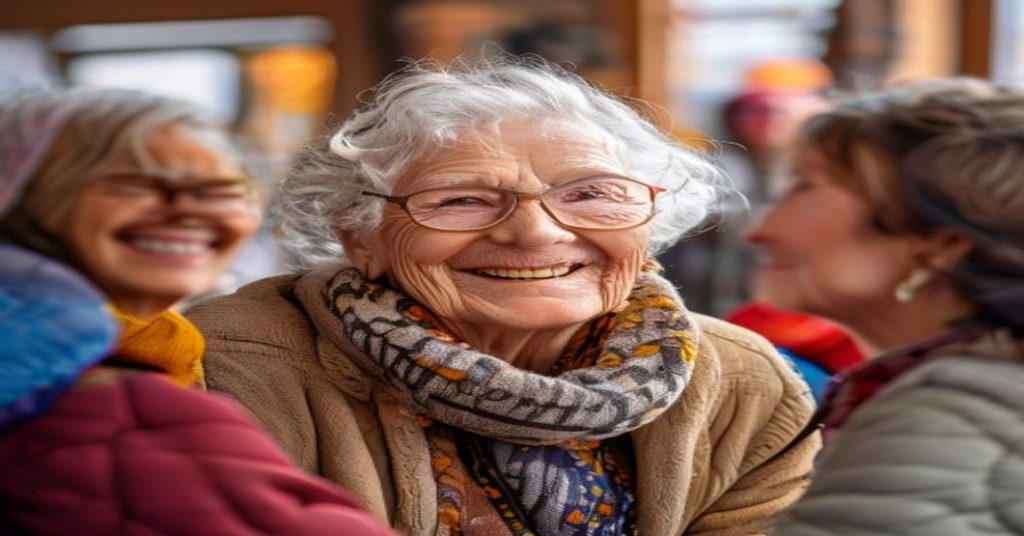
When Helen Marshall, 76, lost her husband of 52 years, she found herself withdrawing from the world. “I stopped answering phone calls, stopped meeting friends for lunch, stopped going to church,” she recalls. “I thought I was grieving, but I was actually depressed.” Helen’s experience is shared by millions of older adults. The National Institute of Mental Health (NIMH) reports that approximately 7 million adults aged 65 and older experience depression each year, yet it often goes undiagnosed and untreated [1]. The World Health Organization notes that about 15% of adults aged 60 and over suffer from a mental disorder [2].
This guide provides evidence-based strategies for maintaining mental health and social well-being in later life, drawing on recommendations from the NIMH, the National Institute on Aging (NIA), the American Psychological Association, and the National Council on Aging (NCOA).
Recognizing Mental Health Concerns in Seniors
Mental health issues in older adults often present differently than in younger populations. The NIA explains that seniors may experience physical symptoms such as fatigue, changes in appetite, sleep disturbances, and unexplained aches and pains rather than overt sadness [3]. Common signs to watch for include loss of interest in activities once enjoyed, social withdrawal and isolation, changes in weight or eating habits, difficulty concentrating or making decisions, increased use of alcohol or medications, and persistent feelings of hopelessness or worthlessness.
“Many older adults and their families mistake depression for a normal part of aging. It is not. Depression is a treatable medical condition, and seniors respond well to treatment when they receive it. The key is recognizing the signs and reaching out for help.” — Dr. James Rodriguez, Geriatric Specialist, Johns Hopkins Medicine
The Power of Social Connection
Social isolation is a major risk factor for mental health decline in older adults. The NIA reports that social isolation and loneliness are associated with a 50% increased risk of dementia and a 29% increased risk of heart disease [4]. The CDC notes that approximately one in three adults aged 45 and older feel lonely [5]. Maintaining social connections through family relationships, community groups, volunteer opportunities, senior centers, faith-based organizations, and online communities is essential for mental well-being.
Cognitive Health and Brain Stimulation
Keeping the brain active is associated with a lower risk of cognitive decline. The NIA recommends several strategies for maintaining cognitive health [6]: learning new skills such as a musical instrument or language, reading and engaging in intellectually stimulating discussions, solving puzzles, playing strategy games, and participating in educational programs. “After my husband passed, I joined a memoir writing class at the community center,” Helen shares. “Writing about my life helped me process my grief and connected me with others who understood.”
Physical Activity and Mental Health
The link between physical activity and mental health is well-established. The American Psychological Association notes that regular exercise can be as effective as antidepressant medication for mild to moderate depression [7]. Even moderate activity such as walking for 30 minutes daily, gardening, swimming, yoga, or Tai Chi can significantly improve mood and reduce anxiety. The key is finding activities that are enjoyable and sustainable.
Stress Management for Seniors
Chronic stress takes a toll on both mental and physical health. The NIA recommends stress management techniques including mindfulness meditation, deep breathing exercises, progressive muscle relaxation, engaging in hobbies, maintaining a regular sleep schedule, and limiting news and social media consumption [8]. Many community senior centers now offer free or low-cost meditation and yoga classes specifically designed for older adults.
Coping with Loss and Grief
Later life often brings multiple losses — the death of a spouse or partner, the loss of friends, health changes, and the transition from a career to retirement. The NIA emphasizes that grieving is a normal and healthy process, but prolonged grief that interferes with daily functioning may require professional support [9]. Support groups, grief counseling, and time with loved ones can help seniors navigate these difficult transitions.
When and How to Seek Help
The NIMH encourages seniors to speak with their healthcare provider if they experience any symptoms of mental health concerns [1]. Treatment options may include therapy or counseling, medication, lifestyle changes, or a combination. The SAMHSA National Helpline (1-800-662-4357) provides 24/7 free, confidential support for individuals facing mental health or substance use challenges.
A Message of Hope
Helen Marshall eventually sought help from her primary care physician, who connected her with a therapist and a seniors’ social group. “It took time, but I slowly found my way back,” she says. “I learned that asking for help is not a sign of weakness — it is a sign of strength. I still miss my husband every day, but I no longer face my grief alone.” Mental health challenges are not a normal part of aging, and effective treatments are available. Reaching out for support is the first and most important step toward regaining well-being and connection in later life.
References
- NIMH — Older Adults and Mental Health ↩
- WHO — Mental Health of Older Adults ↩
- NIA — Depression and Anxiety in Older Adults ↩
- NIA — Social Connectivity and Health ↩
- CDC — Loneliness Among Older Adults ↩
- NIA — Cognitive Health ↩
- APA — Exercise and Stress ↩
- NIA — Stress and Health ↩
- NIA — Grief and Bereavement ↩
About: SilverWell Hub editorial team. Reviewed by Dr. Sarah Mitchell, MD, Geriatrics.
Disclaimer: If you or a loved one is experiencing a mental health crisis, call or text 988 for the Suicide and Crisis Lifeline. See full Medical Disclaimer.
Published: July 8, 2026 | Next review: January 2027
