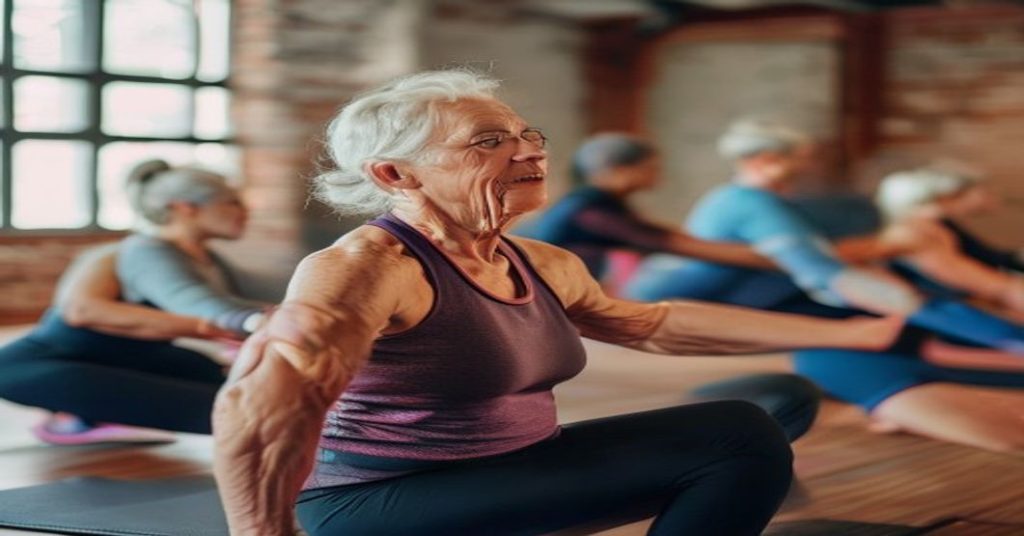
When George Harris, 70, retired from his job as a high school principal, he noticed his daily step count dropping from thousands to a few hundred. “I would sit in my recliner reading and realize I had not moved in three hours,” he recalls. “My joints felt stiffer, my energy was lower, and I knew I needed to make a change.” George is far from alone. The CDC reports that only one in four adults aged 65 and older meets the recommended guidelines for both aerobic and muscle-strengthening activity [1]. Yet the benefits of regular exercise for older adults are profound and well-documented.
This guide provides safe, effective exercise recommendations for seniors, based on guidelines from the CDC, the National Institute on Aging (NIA), and the American College of Sports Medicine (ACSM).
Why Exercise Matters for Seniors
The NIA identifies four key types of exercise for older adults: endurance, strength, balance, and flexibility [2]. Regular physical activity reduces the risk of heart disease, stroke, type 2 diabetes, and certain cancers. It also improves bone density, enhances mood and cognitive function, reduces fall risk, and helps maintain independence. The ACSM emphasizes that “some activity is better than none, and more is better than some” — even small increases in physical activity produce measurable health benefits [3].
Walking: The Foundation of Senior Fitness
Walking is one of the safest and most accessible forms of exercise for older adults. The American Heart Association recommends aiming for 30 minutes of brisk walking most days of the week [4]. Start with 10-minute sessions if needed and gradually increase duration. “I started with a five-minute walk to the mailbox and back,” says George. “Now I walk two miles every morning with a group of neighbors. It became the highlight of my day.”
Strength Training for Muscle Health
Muscle mass decreases by 3% to 5% per decade after age 30, a process called sarcopenia [2]. The ACSM recommends strength training exercises at least two days per week targeting all major muscle groups. Safe options include chair stands (standing up from a seated position repeatedly), wall push-ups, seated rows using resistance bands, bicep curls with light dumbbells, and leg lifts. Start with light resistance and focus on proper form over heavy weights.
Balance Exercises for Fall Prevention
Balance training is critical for older adults. The CDC reports that falls are the leading cause of injury-related hospitalizations among older adults [1]. Simple balance exercises practiced daily can significantly reduce fall risk: standing on one foot while holding a chair back, heel-to-toe walking, Tai Chi movements, and the single-leg stance. “I practice standing on one foot while I brush my teeth each morning,” George shares. “It is a tiny habit that has made a real difference in my stability.”
Flexibility and Stretching
Maintaining flexibility helps seniors perform daily activities with ease and reduces the risk of injury. The NIA recommends stretching all major muscle groups at least two to three days per week [2]. Hold each stretch for 10 to 30 seconds without bouncing. Yoga and gentle stretching classes designed for seniors are widely available at community centers and online.
Exercising Safely
The NIA recommends the following safety guidelines [5]: consult your healthcare provider before starting a new exercise program, warm up for five minutes before exercising and cool down afterward, stay hydrated, listen to your body and stop if you feel pain, wear comfortable, supportive footwear, and exercise with a friend or in a group when possible.
Start Where You Are
George Harris started with that five-minute walk to the mailbox. Two years later, he completed his first 5K walk and volunteers as a fitness buddy at his local senior center. “The hardest part was starting,” he says. “But every step after that first one gets easier. Your body wants to move — you just have to give it permission.” The benefits of regular exercise for seniors are undeniable: improved strength, better balance, enhanced mood, and greater independence. It is never too late to start reaping the rewards of physical activity. Find an activity you enjoy, start slowly, and celebrate every small victory along the way.
References
- CDC — Physical Activity for Older Adults ↩
- NIA — Exercise and Physical Activity ↩
- ACSM — Physical Activity Guidelines ↩
- AHA — Walking for Health ↩
- NIA — Real-Life Advantages of Exercise ↩
About: SilverWell Hub editorial team. Reviewed by Dr. Sarah Mitchell, MD, Geriatrics.
Disclaimer: Consult your healthcare provider before starting any exercise program. See Medical Disclaimer.
Published: July 8, 2026 | Next review: January 2027
