
Why Potassium Matters for Older Adults
Potassium is a mineral and electrolyte that every cell in the body needs to work properly. It helps the heart beat steadily, keeps muscles contracting, supports nerve signals, and helps the kidneys filter waste. For older adults, getting enough potassium is closely linked to blood pressure control, bone health, and protection against kidney stones. Yet many seniors fall short of the recommended amount, often because of medication side effects, dietary changes, or reduced appetite.
Understanding how much potassium you need, where to find it in food, and how to balance it with other nutrients such as sodium can make a real difference in long-term health.
How Much Potassium Do Seniors Need?
For most adults, including older adults, the recommended daily amount of potassium is about 3,400 milligrams for men and 2,600 milligrams for women. These amounts can be met with a varied diet rich in fruits, vegetables, beans, and dairy. A single serving of many potassium-rich foods provides several hundred milligrams, so several servings across the day add up quickly.
Some people need more or less potassium depending on their health. People with chronic kidney disease, or those taking certain blood pressure medications called potassium-sparing diuretics or ACE inhibitors, may need to limit potassium or have it monitored closely. Always follow your health care provider’s guidance, especially if you have kidney problems.
Potassium and Blood Pressure
One of the best-documented benefits of potassium is its effect on blood pressure. Diets rich in potassium help the body release extra sodium through urine and relax blood vessel walls, which can lower blood pressure. Many older adults struggle with high blood pressure, and the DASH diet, which is high in potassium, calcium, and fiber and low in sodium, has been shown to lower blood pressure effectively. Adding potassium-rich foods while cutting back on salty processed foods is a practical, powerful step.
Potassium and Bone Health
Potassium may also protect bones. A diet rich in potassium helps balance the acid load in the body, which may reduce the amount of calcium lost from bones. Some studies link higher potassium intake with greater bone density, particularly in older women, who face the highest risk of osteoporosis. While potassium is not a substitute for calcium and vitamin D, it works alongside them to support skeletal strength.
Signs of Low Potassium
Mild potassium deficiency often has no obvious symptoms, which is why it can go unnoticed. More significant deficiency can cause:
- Muscle weakness, cramps, or twitching.
- Fatigue and low energy.
- Irregular heartbeat or palpitations.
- Constipation.
- Tingling or numbness.
- Feeling unusually thirsty or urinating more often.
Severe, rapid potassium loss can be dangerous and requires medical care. If you take diuretics or laxatives regularly, have ongoing vomiting or diarrhea, or notice these symptoms, talk with your provider about checking your potassium level.
Medications That Affect Potassium
Several common medications change potassium levels, and older adults often take one or more of them:
- Water pills, or diuretics, can either raise or lower potassium depending on the type.
- ACE inhibitors and angiotensin receptor blockers, used for blood pressure and heart failure, can raise potassium.
- Some laxatives and steroid medicines can lower potassium.
- Nonsteroidal anti-inflammatory drugs, or NSAIDs, used regularly can affect kidney function and potassium.
If you take any of these medicines, ask your provider whether your potassium should be checked periodically, and do not take potassium supplements without medical advice.
Top Potassium-Rich Foods
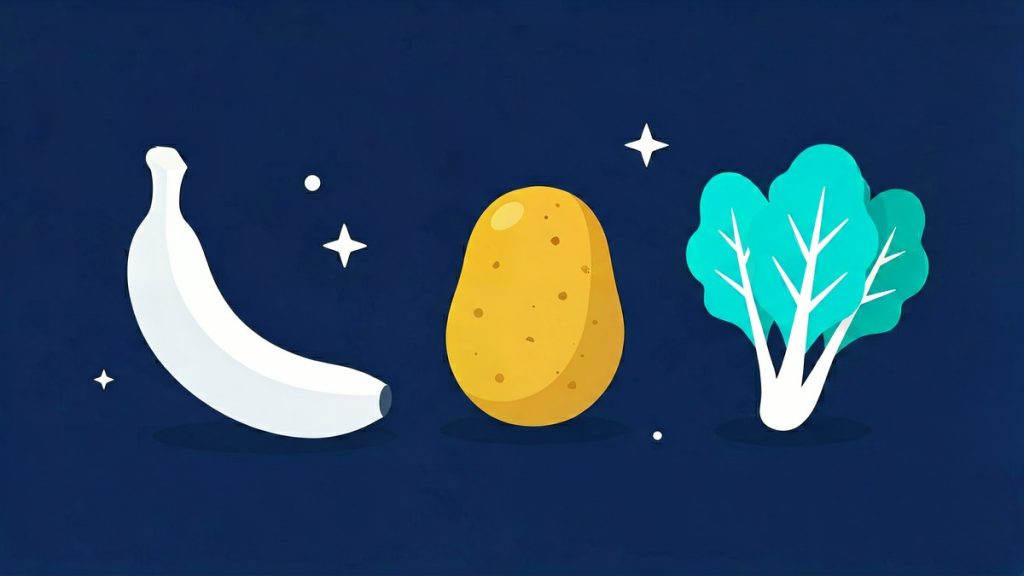
The best way to get potassium is from food, where it comes packaged with fiber, vitamins, and other beneficial compounds. Excellent sources include:
- Bananas, oranges, and cantaloupe.
- Potatoes and sweet potatoes, including their skins.
- Leafy greens such as spinach, Swiss chard, and kale.
- Beans and lentils, including white beans, kidney beans, and black beans.
- Tomatoes and tomato products, including tomato paste and sauce.
- Squash, including acorn and butternut varieties.
- Dairy foods such as milk and yogurt.
- Avocados and dried fruits such as apricots and prunes.
- Fish such as salmon, tuna, and halibut.
Adding a fruit at breakfast, a vegetable at lunch and dinner, and a serving of beans or dairy most days easily reaches the daily target.
Pair Potassium With Less Sodium
Potassium works best when sodium intake is under control. Most Americans, including seniors, eat far more sodium than recommended, mostly from packaged and restaurant foods. Choose fresh or frozen vegetables instead of canned versions with added salt, rinse canned beans before using them, limit processed meats, and flavor food with herbs, spices, and citrus instead of salt. The potassium-to-sodium balance is what supports healthy blood pressure.
Who Should Be Careful With Potassium
While most people can eat potassium-rich foods freely, some need to limit them. People with advanced chronic kidney disease, those on dialysis, or those taking potassium-raising medications may develop dangerous high potassium levels, called hyperkalemia, which can disturb heart rhythm. If you have kidney disease or take medicines that raise potassium, follow your care team’s advice about which foods to limit, and avoid potassium supplements and salt substitutes that contain potassium chloride unless approved.
Supplements: Use With Caution
Potassium supplements are generally not recommended for routine use because food sources are safe and effective, and because high-dose supplements can irritate the stomach and, in large amounts, affect heart rhythm. If your provider finds your potassium is low and food alone cannot fix it, they may prescribe a specific supplement with a precise dose. Never start potassium supplements on your own, especially if you take heart or blood pressure medicines.
Frequently Asked Questions
Are bananas the best source of potassium?
Bananas are a well-known source, but many foods contain more potassium per serving, including potatoes, sweet potatoes, spinach, beans, and yogurt. Variety is the best approach.
Can too much potassium be harmful?
Yes. In people with kidney disease or certain medication regimens, high potassium can cause dangerous heart rhythm problems. Healthy kidneys usually remove excess potassium, but balance still matters.
Does cooking affect potassium in food?
Boiling vegetables in water can leach some potassium into the cooking water. Steaming, roasting, or microwaving preserves more. For people who must limit potassium, boiling and discarding the water can help reduce it.
Should seniors take potassium supplements automatically?
No. Most seniors should get potassium from food. Supplements are only appropriate when a provider recommends them, since they can interact with common heart and blood pressure medicines.
Key Takeaways
- Potassium supports the heart, muscles, nerves, blood pressure, and bones.
- Adults need roughly 2,600 to 3,400 milligrams daily, mostly from food.
- Fruits, vegetables, beans, dairy, and fish are excellent sources.
- Pairing more potassium with less sodium helps control blood pressure.
- Diuretics and blood pressure medicines can change potassium levels.
- People with kidney disease should follow their provider’s potassium guidance.
- World Health Organization
This article was adapted from the sources above and reviewed for accuracy by the SilverWell Hub editorial team. It is for informational purposes and is not a substitute for professional medical advice, diagnosis, or treatment.