
What Is Deep Vein Thrombosis?
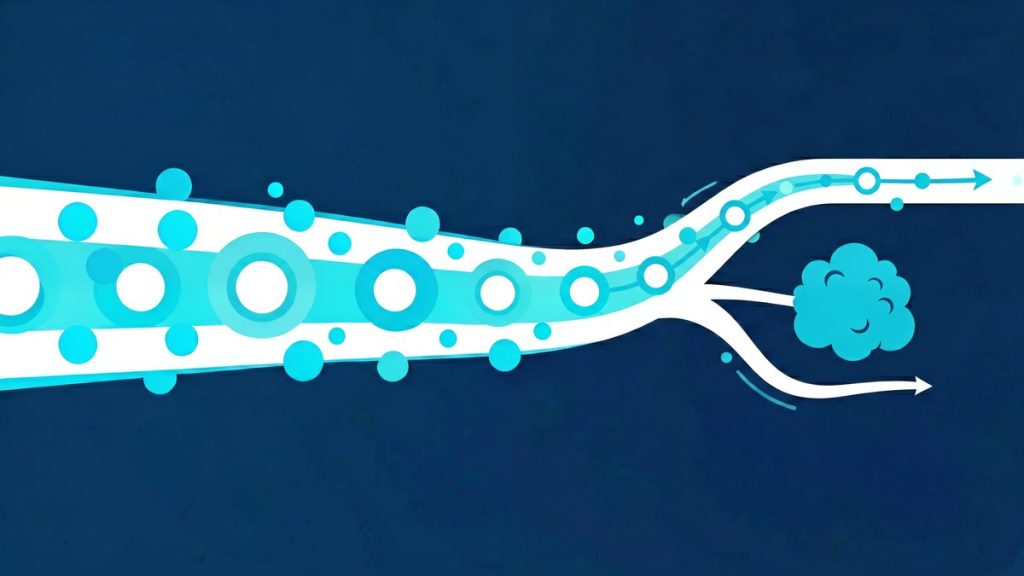
Deep vein thrombosis (DVT) is a blood clot that forms in a deep vein, most commonly in the lower leg, thigh, or pelvis, though it can also develop in the arm. The condition belongs to a broader category called venous thromboembolism (VTE), which also includes pulmonary embolism (PE). PE occurs when a piece of the clot breaks off, travels through the bloodstream, and blocks a blood vessel in the lungs.
DVT and PE are often underdiagnosed, yet they are serious and potentially life-threatening conditions. The good news is that they are also highly preventable and treatable, especially when warning signs are recognized early.
Why DVT Matters for Older Adults
Blood clots can happen to anyone, but the risk rises steadily with age. Several factors that are common in later life combine to increase the chance of developing DVT.
- Older adults are more likely to be hospitalized or confined to bed after surgery, illness, or injury, which slows blood flow in the legs.
- Chronic medical conditions such as heart disease, lung disease, cancer, and inflammatory bowel disease all raise clot risk.
- Hormone replacement therapy, sometimes used after menopause, increases estrogen levels and clot risk.
- Age itself is a risk factor: the chance of DVT increases as age increases.
Because older adults face higher risk, knowing the signs, understanding personal risk, and seeking care quickly can make the difference between a treatable episode and a life-threatening emergency.
What Are the Symptoms of DVT?
What Are the Symptoms of DVT?
About half of people with DVT have no symptoms at all. When symptoms do appear, they typically occur in the affected leg or arm:
- Swelling in one leg or arm
- Pain or tenderness that may feel like cramping or a charley horse
- Warmth in the skin over the affected area
- Redness or discoloration of the skin
If you notice any of these signs, see your doctor as soon as possible. Do not massage the area, as this can dislodge the clot.
What Are the Symptoms of Pulmonary Embolism?
What Are the Symptoms of Pulmonary Embolism?
You can have a pulmonary embolism without any symptoms of DVT. PE is a medical emergency that requires immediate attention. Call 911 or go to an emergency room if you experience:
- Difficulty breathing
- A faster than normal or irregular heartbeat
- Chest pain or discomfort that worsens with a deep breath or coughing
- Coughing, or coughing up blood
- Very low blood pressure, lightheadedness, or fainting
PE can be fatal if not treated promptly. Do not wait to see whether symptoms will pass.
What Causes Blood Clots?
What Causes Blood Clots?
Almost anyone can develop DVT or PE, and having more than one risk factor at the same time increases the chance further. Risk factors fall into several groups:
-
Injury to a vein:
fractures, severe muscle injury, or major surgery, particularly involving the abdomen, pelvis, hip, or legs. -
Slow blood flow:
confinement to bed, limited movement such as a leg cast, sitting for long periods, or paralysis. -
Increased estrogen:
hormone replacement therapy, estrogen-containing contraceptives, or pregnancy. -
Chronic illnesses:
heart disease, lung disease, cancer and its treatment, or inflammatory bowel disease. -
Other factors:
a previous DVT or PE, an inherited clotting disorder, family history of blood clots, older age, overweight or obesity, or a central venous catheter.
Knowing your risk profile allows you and your doctor to plan preventive measures, especially before surgery or long travel.
What Are the Risks of DVT?
What Are the Risks of DVT?
The most serious complication of DVT is pulmonary embolism, which occurs when part of the clot breaks off and blocks blood flow to the lungs. Even with treatment, a large clot can damage the lungs and lead to a condition called chronic thromboembolic pulmonary hypertension, which can be fatal.
Between one-third and one-half of people who have a DVT will develop post-thrombotic syndrome (PTS). PTS results from damage the clot causes to the valves inside the veins. Symptoms include chronic swelling, pain, discoloration, and in severe cases, scaling or ulcers in the affected limb. Some people become disabled by these symptoms.
In addition, about 30 percent of people who have had a DVT or PE remain at risk for another episode, making follow-up care and prevention an ongoing priority.
Prevention Tips for Seniors
Prevention Tips for Seniors
Most blood clots are preventable. Simple habits, especially during periods of reduced mobility, significantly lower the risk.
- Move around as soon as possible after being confined to bed, such as after surgery, illness, or injury.
- When sitting for long periods, such as traveling for more than four hours, get up and walk around every one to two hours and wear loose-fitting clothes.
- Exercise your legs while seated by raising and lowering your heels with toes on the floor, raising and lowering your toes with heels on the floor, and tightening and releasing your leg muscles.
- Maintain a healthy weight and avoid a sedentary lifestyle.
- Stay well hydrated during long trips, and avoid crossing your legs for extended periods.
- If you are at increased risk, talk to your doctor about graduated compression stockings and whether anticoagulant medication is appropriate for you.
Before any planned surgery or hospital stay, ask your care team about your personal clot risk and what preventive measures will be used.
How Is DVT Diagnosed and Treated?
How Is DVT Diagnosed and Treated?
DVT and PE can only be diagnosed with special tests performed by a doctor, which is why seeking medical care for any warning sign is essential. Common tests include ultrasound of the leg veins, a blood test called D-dimer, and for suspected PE, a CT scan of the chest.
Treatment for DVT typically involves anticoagulant medications, sometimes called blood thinners, which prevent existing clots from growing and new clots from forming. Compression stockings are often recommended to relieve pain and swelling and may need to be worn for two years or more after a DVT. In severe cases, the clot may need to be removed surgically.
Pulmonary embolism requires immediate medical attention. In severe, life-threatening cases, clot-dissolving medicines called thrombolytics may be used, followed by anticoagulants to prevent further clots. Some people need long-term medication to prevent future blood clots.
DVT Is Not a Heart Attack or Stroke
DVT Is Not a Heart Attack or Stroke
A common misconception is that DVT causes heart attack or stroke. In fact, there are two main types of blood clots, and they affect the body differently.
- A clot in a deep vein of the leg, pelvis, or arm is called deep vein thrombosis. This type does not cause heart attack or stroke.
- A clot in an artery, usually in the heart or brain, is called arterial thrombosis. This type can cause heart attack or stroke.
Both types are serious, but their causes and prevention strategies differ. Understanding which type you are at risk for helps you take the right protective steps.
Frequently Asked Questions
Frequently Asked Questions
How do I know if leg swelling is a blood clot?
Swelling in only one leg, especially with pain, warmth, or redness, is a reason to see a doctor promptly. Swelling in both legs is more often related to fluid retention.
Are compression stockings the same as regular socks?
No. Graduated compression stockings apply firmest pressure at the ankle and gradually less pressure up the leg. They must be properly fitted and are available by prescription or medical supply.
Can flying really cause a blood clot?
Yes. Sitting for more than four hours slows blood flow in the legs, and the risk rises with longer trips and multiple flights. Getting up regularly and doing seated leg exercises helps.
How long do I need treatment after a DVT?
Anticoagulant treatment typically lasts three to six months, but some people need longer therapy depending on the cause and their risk of recurrence. Your doctor will tailor the duration to your situation.
Key Takeaways
Key Takeaways
- DVT is a blood clot in a deep vein, most often in the leg; PE occurs when part of the clot travels to the lungs.
- About half of people with DVT have no symptoms, but one-leg swelling, pain, warmth, and redness are warning signs.
- Difficulty breathing, chest pain, and fainting may signal PE, a life-threatening emergency requiring immediate care.
- Risk rises with age, hospitalization, surgery, chronic illness, obesity, and long periods of sitting.
- Prevention includes moving regularly, seated leg exercises, staying hydrated, and discussing compression stockings or medication with your doctor.
- DVT does not cause heart attack or stroke; arterial clots do. Understanding the difference matters for prevention.
- World Health Organization
This article was adapted from the sources above and reviewed for accuracy by the SilverWell Hub editorial team. It is for informational purposes and is not a substitute for professional medical advice, diagnosis, or treatment.