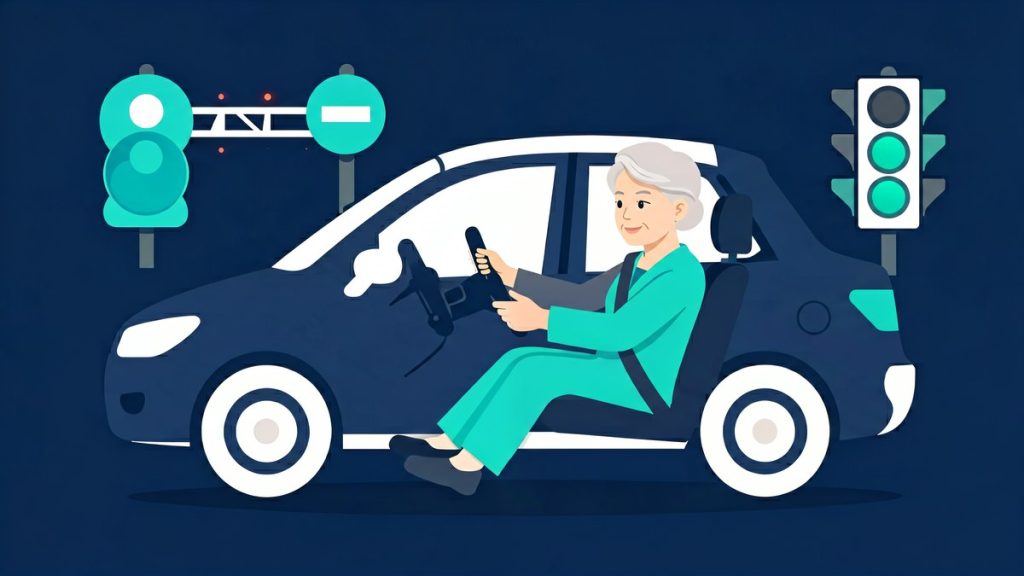

Why Senior Driving Safety Matters?
Understanding senior driving safety older drivers is important for seniors and their caregivers. in 2022, there were almost 52 million licensed drivers ages 65 and older in the United States, a 77% increase since 2004. Driving helps older adults stay mobile and independent. But the risk of being injured or killed in a traffic crash increases as people age. Each day, 25 older adults are killed and over 740 are injured in crashes. In 2022, about 9,100 older adults were killed in traffic crashes, and over 270,000 were treated in emergency departments for crash injuries.
What Causes Older Drivers?
Drivers aged 70 and older have higher crash death rates per 1,000 crashes than middle-aged drivers aged 35 to 54. Higher crash death rates among this age group are primarily due to increased vulnerability to injury in a crash. Age-related changes in vision, physical functioning, and the ability to reason and remember, as well as diseases and medications, might affect some older adults’ driving abilities. Across all age groups, males have substantially higher crash death rates than females.
📖 What Is Always Wear a Seat Belt?
What Is Always Wear a Seat Belt?
Seat belt use is one of the most effective ways to save lives and reduce injuries in crashes. Always wear a seat belt as a driver or passenger, on every trip, no matter how short. Older adults are more likely than other age groups to use seat belts, which is one of the reasons they have safer driving behaviors overall.
📖 What Is Drive When Conditions Are Safest?
What Is Drive When Conditions Are Safest?
Drive during daylight and in good weather whenever possible. Poor weather and driving at night increase the likelihood of crash injuries and deaths. Plan your route before you drive, and find the safest route with well-lit streets, intersections with left-turn signals, and easy parking.
📖 What Is Never Drink and Drive?
What Is Never Drink and Drive?
Drinking and driving increases the risk of being in a crash because alcohol reduces coordination and impairs judgment. Even small amounts of alcohol can affect an older driver, and some medicines can interact with alcohol to increase impairment. If you take medication, ask your doctor or pharmacist about how it may affect your driving.
📖 What Is Additional Steps to Stay Safe on the Road?
What Is Additional Steps to Stay Safe on the Road?
- Follow a regular activity program to increase strength and flexibility.
- Ask your doctor or pharmacist to review your medicines, both prescription and over-the-counter, to reduce side effects and interactions.
- Have your eyes checked by an eye doctor at least once a year, and wear glasses and corrective lenses as required.
- Leave a large distance between your car and the car in front of you.
- Avoid distractions in your car, such as listening to a loud radio, talking or texting on your phone, and eating.
- Consider alternatives to driving, such as riding with a friend, using ride share services, or taking public transit.
📖 What Is Know When to Limit Driving?
What Is Know When to Limit Driving?
Age-related changes do not affect all drivers the same way. Signs that it may be time to limit driving include getting lost on familiar routes, receiving traffic citations, being honked at frequently, or having close calls. Family members can help by observing driving and having a respectful conversation. Many communities offer driver refresher courses designed for older adults, and mobility counselors can help plan alternatives. A mobility plan helps you stay mobile and independent as you age, using a combination of driving, ride share, transit, and support from family and friends.
📖 What Are Frequently Asked Questions?
What Are Frequently Asked Questions?
Q: Are older drivers dangerous on the road?
A: Older adults are more likely to have safer driving behaviors than other age groups, such as wearing seat belts and not speeding. However, they are more vulnerable to injury in a crash, so safety steps matter.
Q: When should I stop driving?
A: There is no set age for stopping. Talk with your doctor and family if you have concerns, experience close calls, or notice changes in vision or reaction time. Consider a driving assessment by an occupational therapist.
Q: Do medications affect driving?
A: Yes. Many prescription and over-the-counter medicines can cause drowsiness or affect reaction time. Ask your doctor or pharmacist to review your medicines.
Q: What if I no longer drive?
A: Plan alternatives: ride with family or friends, use ride share services, take public transit, or use community transportation programs. A mobility plan can help you stay independent.
📖 What Are Key Takeaways?
What Are Key Takeaways?
- About 52 million licensed drivers in the U.S. are ages 65 and older.
- Each day, 25 older adults are killed and over 740 injured in crashes.
- Seat belts are the most effective protection in a crash.
- Drive in daylight, in good weather, and without distractions.
- Have your medicines reviewed and your eyes checked yearly.
- Plan alternatives to driving so you can stay mobile as you age.
- Ready.gov (FEMA)
This article was adapted from the sources above and reviewed for accuracy by the SilverWell Hub editorial team. It is for informational purposes and is not a substitute for professional medical advice, diagnosis, or treatment.